 Egypt
Egypt  UAE
UAE  Saudi Arabia
 Japanese vs Japanese-Style Knives: What the Label Tells You
We may earn a commission from purchases through our links, at no extra cost to you. How we choose · Disclosure.
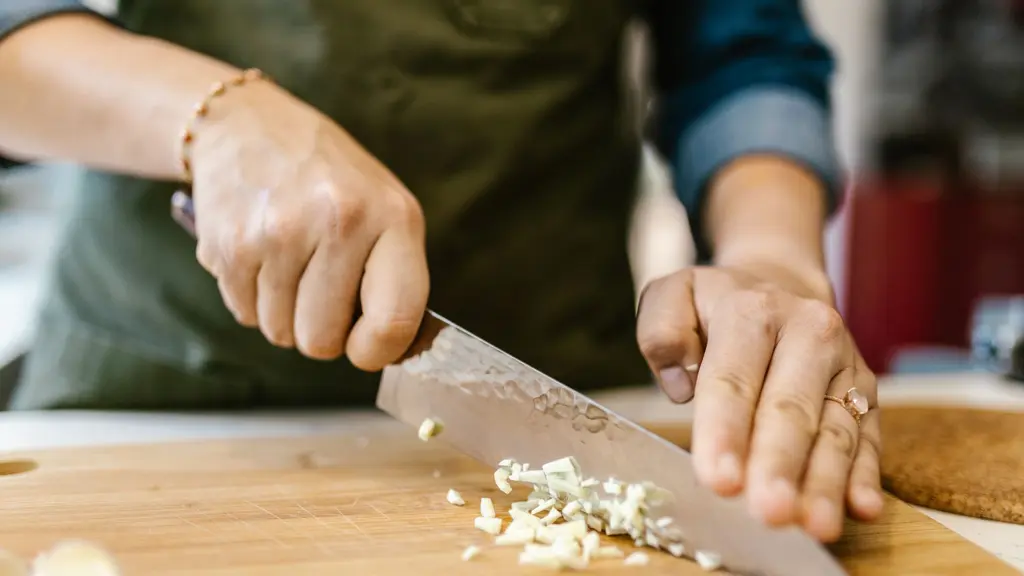
Walk through knife listings for ten minutes and you will meet a lot of Japan: Japanese steel, Japanese techniques, samurai heritage, names full of katana energy. Some of those knives were forged in Seki City by companies older than the United States. Others came out of a factory in Guangdong last quarter. Both can be worth buying. The trick is knowing which claim you are actually reading.
The two different claims hiding in one word
When a listing says Japanese, it is making one of two very different statements. Made in Japan is a manufacturing claim: the blade was produced in Japan, usually in knife towns like Seki, under that industry’s standards. Japanese-style is a design claim: the knife borrows the thinner blade profile, harder steel philosophy, or shapes like the santoku, wherever it happens to be built. Neither claim is dishonest by itself. The problem starts when a brand leans on the first impression while only delivering the second.
A worked example: the viral Matsato chef knife. The name sounds Japanese, the marketing talks about traditional techniques, and the styling is unmistakably Japanese. The packaging carries Chinese characters, and buyer reports consistently describe made-in-China markings. Nothing on the official listing actually claims made-in-Japan manufacturing, and at under $50 the price says as much. We break down exactly what buyers get in our honest Matsato review; the short version is that it is a fair Japanese-style knife whose marketing works harder than its origin story.
What the label should make you check
The steel. Made-in-Japan premium blades name their steel: the Shun Classic in our best-of lineup tells you its core is VG-MAX inside layered cladding. Vague listings say things like premium high-carbon stainless, which describes most knives ever made.
The pattern. A wavy Damascus look on a knife under $50 is almost always an etched finish on ordinary steel, not layered construction. That is fine as decoration; it is not a performance feature. Real clad blades cost real money and their makers document the construction precisely.
The price tier. Genuine made-in-Japan production starts around $150 and climbs; our price roundup maps the tiers. A $30 knife promising Japanese mastery is selling you the style, which is fine, as long as you know that is the deal.
The 30-second label checklist
Before you buy any Japan-flavored knife: does the listing say made in Japan, or just sound like it? Is the steel named, or described in adjectives? Is the Damascus documented as clad construction, or shown but never explained? Does the price match the origin story? Two honest answers out of four is a styling purchase. Four out of four is a Japanese knife. Both are legitimate buys once you see them clearly; how to weigh shape, steel, and handles is covered in our chef knife buying guide, and every verified pick lives in the kitchen knives hub.
Frequently asked questions
Is a Japanese-style knife the same as a made-in-Japan knife?
No. Japanese-style describes the blade's design language: thinner profile, harder steel, shapes like the santoku. Made in Japan describes where it was manufactured. Plenty of excellent Japanese-style knives are made in China or elsewhere at friendly prices; the label only becomes a problem when marketing implies an origin the product does not have.
How can I tell if a Damascus pattern is real?
Look for the maker documenting clad or pattern-welded construction, usually with a named core steel. If the listing shows a wavy pattern but only says stainless steel, the pattern is almost certainly etched decoration. Real clad construction is a premium feature and brands that have it say so precisely.
Does a knife need to be made in Japan to be good?
Not at all. Origin is a signal of a specific manufacturing tradition, not a guarantee, and the best value knives in most US kitchens are Swiss, German, or Chinese made. Judge any knife by its steel, construction, handle, and the consensus of buyer reviews rather than the flag in the marketing.