
 Egypt
Egypt  UAE
UAE  Saudi Arabia
 The Best Vacuum Cleaner for Wood and Hard Floors
We may earn a commission from purchases through our links, at no extra cost to you. How we choose · Disclosure.
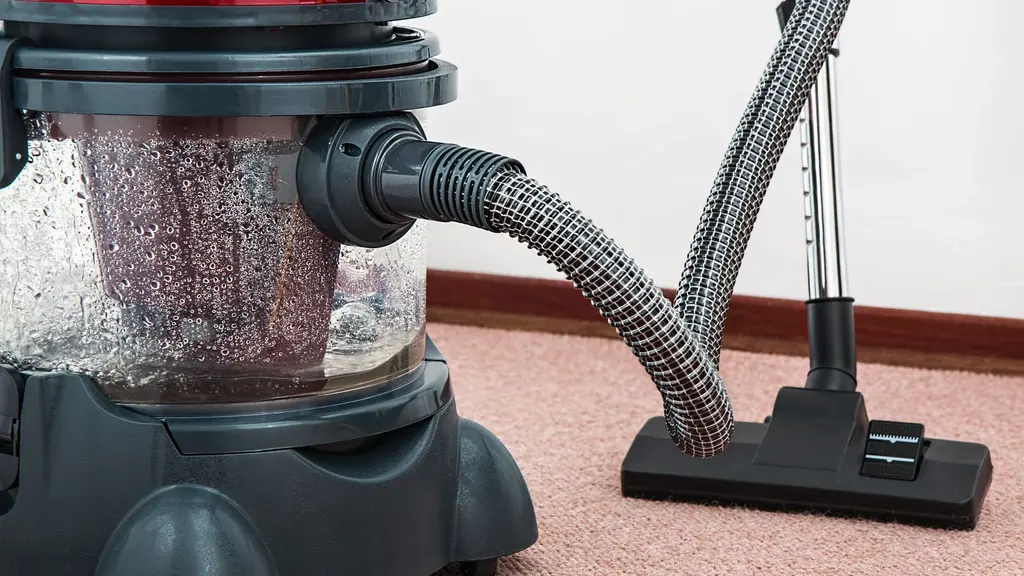
The best vacuum cleaner for wood and hard floors in the USA does two things well: it lifts dust and grit without dragging a hard, spinning brush roll across the wood, and it runs often enough that grit never gets the chance to grind in and dull the finish. Based on specs and buyer reviews, the iRobot Roomba 415X Robot Vacuum & Mop Combo (≈ $450) fits that job, since it is built around hard floors and low-pile rugs and mops in the same pass.
The quick answer
For most homes with wood or hard floors, the iRobot Roomba 415X Robot Vacuum & Mop Combo (≈ $450) is the safest and most consistent pick, because it is designed around hard flooring and low-pile rugs rather than thick carpet, and it runs daily passes that keep grit from building up between deeper cleans. What actually damages wood floors is rarely the vacuum category itself, it is a stiff brush roll spinning directly on bare wood or grit trapped in dirty bristles. Prices are approximate at publication and change, so double-check before you buy.
Key takeaways
- Wood flooring scratches from grit and friction, not from vacuuming itself. Sand and dust trapped under a spinning brush roll act like sandpaper over time, which is why regular vacuuming actually protects a wood floor rather than threatens it.
- A soft roller or a brush-roll shutoff for hard floors is the real safety feature to check, more so than the marketing label “hardwood safe” on its own.
- Robot vacuums are naturally well suited to wood and tile, since their lighter build and lower brush-roll aggression compared to a heavy upright is exactly what those floors need for daily upkeep.
- Daily runs beat occasional deep cleans on wood floors, because the goal is keeping grit from accumulating at all, not removing it after it has already scuffed the finish.
- Tile and wood floors want the same things from a vacuum: gentle wheels, a soft or adjustable brush setting, and suction strong enough to pull dust out of grout lines and along baseboards.
What actually scratches a wood floor
It is rarely the vacuum’s weight or its wheels. The real culprit is almost always a hard plastic or heavily worn bristle brush roll spinning directly against the wood, especially if it is carrying trapped grit. Fine sand and dust act like sandpaper under that friction, and over months of use that is what dulls a finish or leaves fine scratch lines. A vacuum that either lifts its brush roll automatically on hard floors, uses a soft roller, or gives you a manual switch to turn the brush off removes almost all of this risk, and clean bristles matter just as much as the design itself.
What to look for in a vacuum for wood and hard floors
- A soft roller or a brush shutoff for hard floors, so the vacuum is not grinding a stiff plastic brush against bare wood on every pass.
- Gentle, non-marking wheels, particularly if you are moving a heavier upright or canister vacuum across a finished floor.
- Strong-enough suction for grout lines and baseboards, since tile and wood both trap fine dust in edges a weak vacuum leaves behind.
- A model built for daily runs if you go the robot route, since consistency matters more on wood than any single deep clean.
- A review consensus that specifically mentions hardwood or tile, not just a general “great vacuum” rating, since that confirms real owners have tested it on your exact floor type.
Vacuum types on wood and hard floors
| Vacuum type | Scratch risk | Daily upkeep | Best for |
|---|---|---|---|
| Robot vacuum | Low, light build and gentle brush design | Runs on its own, ideal for daily grit control | Hands-off upkeep on wood and tile |
| Cordless stick | Low to moderate, depends on brush setting | Only cleans when you use it | On-demand passes along edges and furniture |
| Upright with hard-floor setting | Moderate if the brush isn’t shut off | Manual, thorough in a single pass | Homes with mixed carpet and hard floors |
The simple rule: on wood and hard floors, prioritize a soft roller or brush shutoff and frequent runs over raw suction power. Grit removed daily is worth more than a single deep clean once a month.
Our pick: iRobot Roomba 415X Robot Vacuum & Mop Combo
The Roomba 415X earns the spot here because its whole design leans toward exactly what wood and hard floors need: reliable daily navigation, a vacuum-and-mop pass in one run, and a build that is explicitly best suited to hard floors and low-pile rugs rather than thick carpet. It also carries thousands of positive reviews on Amazon, the most of any pick in our broader vacuum lineup, which is a strong signal it holds up in real households. The trade-off is price against the budget robot picks, and, as with any robot in this category, it is not a substitute for a deep carpet clean if your home also has meaningful carpet elsewhere. It tops our guide to the best vacuum cleaner in the USA.
See the iRobot Roomba 415X price on Amazon ↗
Bottom line
The best vacuum for wood and hard floors is not defined by a single spec on the box, it comes down to a soft roller or brush shutoff, gentle wheels, and running often enough that grit never gets the chance to scratch the finish. The iRobot Roomba 415X fits that job well for most US homes, vacuuming and mopping wood and tile in one daily pass. If your home also mixes in a vacuum-and-mop combo for other rooms, see the best robot vacuum and mop combo for the full picture. Once you own a vacuum, how to clean a vacuum cleaner covers the filter and brush-roll upkeep that keeps suction strong. For the broader type decision, see robot vs cordless vacuum or our full guide to choosing a vacuum, and browse the full lineup at vacuum cleaners in the USA.
Sources
Frequently asked questions
What is the best vacuum cleaner for wood floors?
Based on specs and the consensus of Amazon buyer reviews, the iRobot Roomba 415X Robot Vacuum & Mop Combo is a strong pick for wood and hard floors, at roughly $450. It vacuums and mops in one pass and is built around hard floors and low-pile rugs rather than thick carpet, which is exactly the surface most wood-floor homes need covered. Prices are approximate at publication and change, so double-check before you buy.
Will a regular vacuum scratch my hardwood floor?
It can, but the vacuum itself is rarely the real cause. A hard plastic brush roll spinning directly against bare wood, or grit and sand trapped in worn bristles, is what actually scratches a floor over time. A vacuum with a soft roller or brush-roll shutoff for hard floors, and clean bristles, is safe on wood in normal daily use.
Is a robot vacuum or a cordless stick better for wood floors?
Both work well on wood, they solve different problems. A robot vacuum handles daily upkeep on its own, catching dust and pet hair before it builds up, which matters most on wood since dust and grit are what cause scuffing over time. A cordless stick gives you more control for an occasional deeper pass along baseboards and under furniture.
Do I need a special vacuum for tile as well as wood floors?
Not usually. Most vacuums built for hard floors handle wood and tile equally well, since both surfaces benefit from the same things: a soft or no-brush setting, strong enough suction to lift dust from grout lines, and gentle wheels that will not mark either surface.