
 Egypt
Egypt  UAE
UAE  Saudi Arabia
 Is a Robot Vacuum Worth It? Honest Pros, Cons, and Verdict
We may earn a commission from purchases through our links, at no extra cost to you. How we choose · Disclosure.
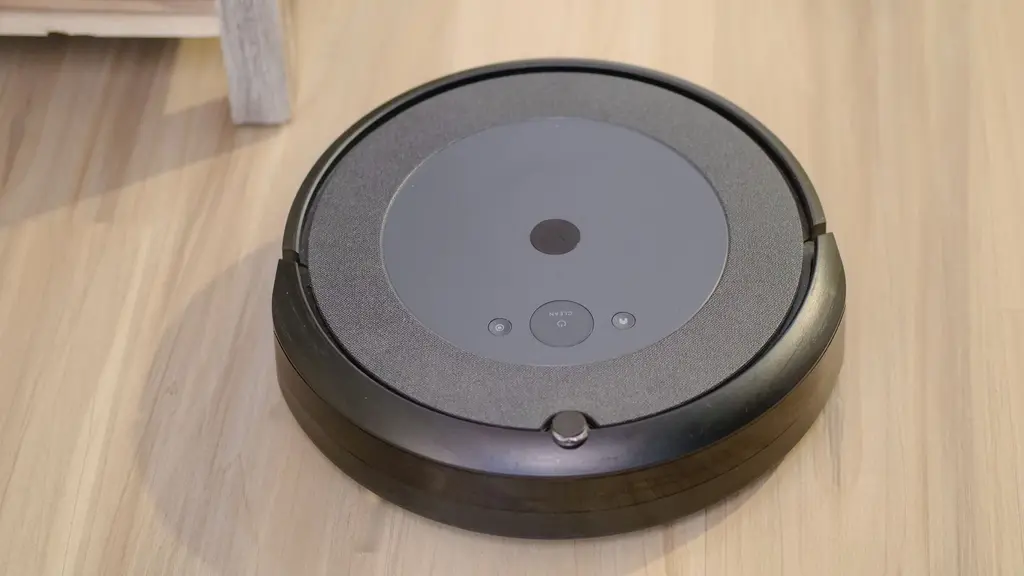
A robot vacuum is worth it if daily dust and pet hair are your main frustration and you want them handled without lifting a finger. It’s a weaker buy if you rarely vacuum in the first place, your home is small enough to cover in a few minutes with a regular vacuum, or you have mostly thick carpet and stairs a robot can’t fully reach. Most households that add one keep their regular vacuum too, for the deeper weekly pass.
The quick answer
A robot vacuum is worth it for most households where daily dust and pet hair are the real problem, not an occasional deep clean. It buys you consistent, hands-off upkeep on hard floors and low-pile rugs, something a regular vacuum only delivers if you actually pick it up every single day. It’s a weaker buy if your home is small enough to cover fast with a regular vacuum, your floors are mostly thick carpet, or your budget has no room for one more appliance. The real downsides, weaker suction on carpet, periodic bin and brush maintenance, and stairs it simply can’t climb, are manageable for most buyers rather than dealbreakers.
What a robot vacuum actually gets you
A robot vacuum’s real value isn’t raw suction, it’s frequency. It can run on a schedule every single day, which is something almost no household actually does with a manual vacuum. That daily consistency is what keeps dust, crumbs, and pet hair from building up between deeper cleans, especially on hard floors and low-pile rugs where most robots perform best. Add app-based scheduling and, on many models, automatic mopping in the same pass, and the appeal for a busy household is straightforward: less thinking about cleaning, not a completely different clean.
The honest downsides, and how much they actually matter
The complaints people raise about robot vacuums are real, but most of them are manageable rather than dealbreaking:
- Weaker suction on carpet. Robot vacuums are built for daily upkeep on hard floors and low-pile rugs, not a deep clean on thick carpet. If carpet and stairs make up most of your home, see robot vs cordless vacuum for how the two compare.
- Ongoing maintenance. Emptying the bin, clearing hair from the brush roll, and cleaning sensors need to happen regularly, and a mop pad needs washing if the model mops too. It’s simple, spread-out upkeep rather than heavy work; see how to clean a robot vacuum for the routine.
- Stairs and tight corners. A robot vacuum can’t climb stairs and can miss edges its sensors don’t map well, so it’s a supplement to a regular vacuum, not a full replacement for one. If any vacuum in your home starts pulling noticeably less than before, why a vacuum loses suction walks through the usual causes.
None of these are reasons to skip a robot vacuum outright. They’re reasons to be honest about your floors and your cleaning habits before you buy one.
When a robot vacuum clearly earns its space
If daily dust or pet hair is your biggest frustration, especially on hard floors or low-pile rugs, a robot vacuum pays for itself in convenience fast. It’s also a strong pick for anyone who travels often or simply doesn’t want cleaning on their weekly to-do list, since it keeps running the daily baseline whether you’re home or not.
When you can skip it, or wait
If your home is small enough that a regular vacuum takes five minutes, or your floors are mostly thick carpet a robot can’t clean well anyway, a robot vacuum mostly buys you convenience you may not need yet. The same goes if you rarely vacuum at all: an appliance that sits unused doesn’t earn its price no matter how capable it is.
Quick comparison: robot vacuum vs. your regular vacuum
| Robot vacuum | Regular vacuum | |
|---|---|---|
| Daily upkeep | Runs on its own, on a schedule | Only cleans when you pick it up |
| Suction on carpet | Weaker, best on hard floors and low-pile rugs | Full power, handles thick carpet |
| Stairs and edges | Can’t climb stairs, may miss tight corners | Full manual reach everywhere |
| Maintenance | Empty bin, clean brush roll and sensors regularly | Empty bag or canister, check belt and filter |
| Best for | Daily baseline against dust and pet hair | Deeper, on-demand whole-home clean |
Bottom line
For most households where daily dust and pet hair are the real annoyance, a robot vacuum earns its keep. The honest trade-offs, weaker carpet suction, regular bin and brush upkeep, and stairs it can’t reach, are worth knowing upfront, but they’re not reasons to skip one if you’ll actually use it every day. If you’re sold, the iRobot Roomba 415X Robot Vacuum & Mop Combo tops our best vacuum cleaner in the USA guide for most homes. Want to see more robot-specific picks first? Check best robot vacuum, or for the full buying criteria, our guide to choosing a vacuum.
For everything in this category in one place, browse our vacuum cleaners in the USA section.
Sources
- Britannica, “Robotics research”,” background on how robot vacuums navigate and clean: https://www.britannica.com/technology/robot-technology/Robotics-research
- Amazon.com buyer review consensus for the model referenced in this article, checked at publication.
This analysis is based on published information from Amazon.com, Britannica (Robotics research).
Frequently asked questions
Is a robot vacuum worth it for pet hair?
Usually yes, if pet hair is a daily problem rather than an occasional one. A robot vacuum's advantage is frequency: it can run every day and catch loose hair before it works into carpet fibers or collects under furniture, which a once-a-week manual vacuum can't match. It won't replace a deep manual clean on thick carpet entirely, but as the daily baseline against pet hair it earns its keep in most homes with pets.
Is a robot vacuum worth it if I already own a regular vacuum?
Yes, for most households, because the two solve different problems rather than duplicating each other. A regular vacuum handles the deep, thorough clean you run occasionally. A robot vacuum handles the daily maintenance pass that keeps dust and hair from building up between those deeper cleans. Keeping both, rather than replacing one with the other, is what most buyers land on.
How long does a robot vacuum actually last?
Most mainstream robot vacuums hold up for several years of regular use with basic upkeep: emptying the bin, clearing the brush roll, and occasionally replacing a filter. Battery life is usually the first thing to fade, often after a couple of years of daily runs, and a replacement battery is typically available separately rather than requiring a whole new unit.
Is a cheap robot vacuum worth buying, or should I spend more?
A budget robot vacuum, roughly in the $250 to $300 range, is worth it for straightforward daily upkeep on hard floors and low-pile rugs. Spending more buys you stronger suction for carpet and pet hair, a self-empty base, or more advanced navigation, none of which are necessary if your home is mostly hard flooring and your main goal is keeping daily dust under control.