
 Egypt
Egypt  Saudi Arabia
  USA
USA Dehumidifier vs Humidifier: Which One Do You Actually Need?
We may earn a commission from purchases through our links, at no extra cost to you. How we choose · Disclosure.
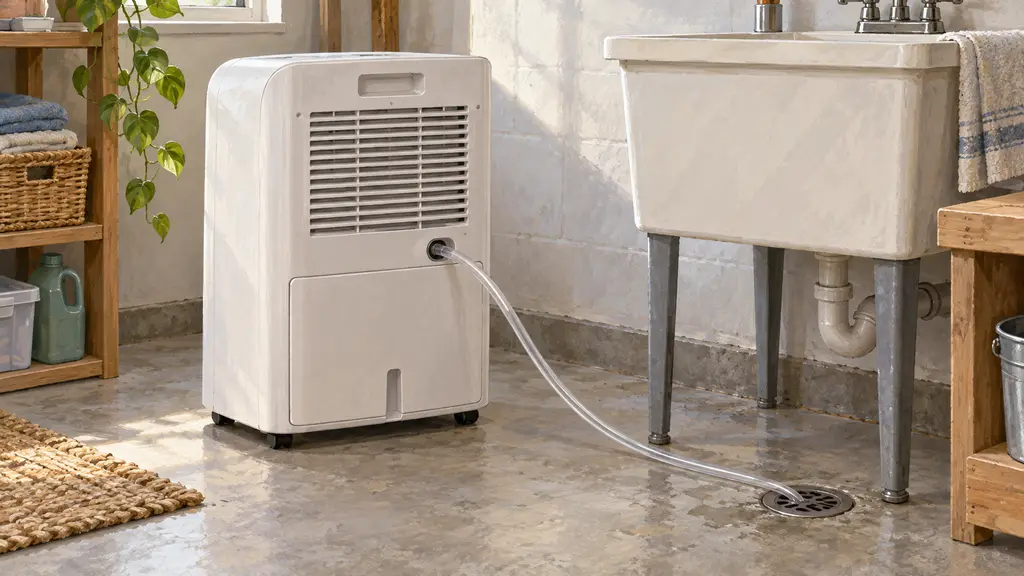
A dehumidifier and a humidifier often sit on the same shelf, but they do completely opposite jobs: one pulls water vapor out of the air, the other adds it. In the UAE’s humid coastal climate, most homes need a dehumidifier, not a humidifier, and buying the wrong one means spending money on something that doesn’t address your actual problem.
The quick answer
A dehumidifier pulls water vapor out of the air to lower humidity and that heavy, damp feeling. A humidifier adds water vapor to the air to fix dryness. If your room feels damp, smells musty, or shows condensation, you need a dehumidifier. If you’re dealing with dry skin, nose, or throat in a heavily air-conditioned room, you might need a humidifier, but that’s a far less common case in the UAE’s climate.
Key points
- A dehumidifier’s only job is lowering humidity, pulling water vapor out of the air and collecting it in an internal tank (dehumidifier definition from ENERGY STAR).
- A humidifier’s only job is raising humidity, releasing extra water vapor into the air to fix dryness (humidifier definition from US EPA).
- The two jobs are opposite, and neither one does the other’s task, so running the wrong device in a room can make its actual problem worse, not better.
- The UAE’s humid coastal climate makes excess humidity the far more common problem, especially with windows closed all AC season, rather than dry air.
- Dry air is a narrow, exceptional case, usually in a heavily air-conditioned room kept sealed for long hours, not a general problem in most homes.
What a dehumidifier actually does
A dehumidifier, like the compressor units in our best dehumidifier in the UAE roundup, pulls air across a cold coil, condensing the water vapor inside it into liquid water that collects in a tank, then releases drier air back into the room. This is the direct fix for a damp or musty room, or one with condensation on windows and walls. A unit like the Pro Breeze 20L/Day is rated in liters of actual moisture removed, a direct measure of its drying power.
What a humidifier actually does
A humidifier works in the exact opposite direction: it releases water vapor or a fine mist into the air to raise the room’s relative humidity. This is useful in genuinely dry air causing skin dryness, nose or throat irritation, or static electricity, but it has nothing to do with fixing excess humidity, and can actually make an already damp room worse. That’s why knowing your actual symptom before buying matters, the two devices never swap roles.
Why most UAE homes need a dehumidifier, not a humidifier
High coastal humidity in the UAE keeps outdoor air damp for most of the year, and running the AC with windows closed all season can trap that moisture indoors rather than clearing it out. The result is a musty smell in a closet, condensation on a window or wall, or a heavy, damp feeling even with the AC running. For a deeper look at what’s driving that, see why is my house so humid in the UAE. In this context, a humidifier fixes nothing, and could add moisture to a problem that already exists.
Quick comparison: dehumidifier vs humidifier
| Factor | Dehumidifier | Humidifier |
|---|---|---|
| Function | Pulls water vapor out of the air | Adds water vapor to the air |
| Fixes a damp, musty, or condensation-prone room | Yes | No, can make it worse |
| Fixes dry skin, nose, or throat | No | Yes |
| Rated by | Liters of moisture removed per day | Water tank size and mist output rate |
| More commonly needed in the UAE | Yes, due to coastal humidity and closed windows | Rarely, only in a heavily air-conditioned room |
The simple rule: a damp, musty, or condensation-prone room needs a dehumidifier, and dry skin, nose, or throat in a heavily air-conditioned room might need a humidifier, a far less common case in the UAE’s climate.
So which one should you actually buy?
Start by naming the actual symptom, not the product category. If your room feels damp, smells musty, or shows condensation on windows or walls, that’s an excess humidity problem, fixed by a compressor dehumidifier. A practical example that balances price and real capacity: the Pro Breeze 20L/Day Dehumidifier (≈ 849 AED), which pulls a meaningful 20 liters a day and carries thousands of positive reviews on Amazon.ae, earning it the top spot in our guide to the best dehumidifier in the UAE. If instead your actual complaint is dry skin or a dry nose in a heavily air-conditioned room over long hours, a humidifier is the right tool for that specific situation, not a dehumidifier.
The bottom line
A dehumidifier and a humidifier do completely opposite jobs, and the right one depends on your actual symptom, not habit. Dampness, mustiness, and condensation call for a dehumidifier, by far the more common need in the UAE’s humid coastal climate. Dry skin or a dry nose in a heavily air-conditioned room is a rarer exception that might call for a humidifier. To size a dehumidifier correctly for your room, see what size dehumidifier do you need, and for the full buying criteria read our guide on how to choose a dehumidifier or browse the full dehumidifiers category.
Sources
- ENERGY STAR, “Dehumidifiers”, definition of a dehumidifier and its condensation principle: https://www.energystar.gov/products/dehumidifiers
- US EPA, “Use and care of home humidifiers”, definition of a humidifier and its water-vapor release principle: https://www.epa.gov/indoor-air-quality-iaq/use-and-care-home-humidifiers
This analysis is based on published information from ENERGY STAR (Dehumidifiers), US EPA (Use and care of home humidifiers).
Frequently asked questions
What's the basic difference between a dehumidifier and a humidifier?
The two jobs are completely opposite. A dehumidifier pulls water vapor out of the air to lower humidity, and a humidifier adds water vapor to the air to raise humidity. The right device depends entirely on the actual problem: damp, heavy air needs a dehumidifier, and dry air causing skin or nose dryness needs a humidifier.
Do most UAE homes need a humidifier?
No, usually the opposite. The UAE's humid coastal climate makes excess humidity the common problem, not dry air, especially with windows closed all AC season. A humidifier is a narrow exception, not the general rule.
When might I need a humidifier despite the UAE's humid climate?
In limited cases, such as a heavily air-conditioned room kept sealed for long, continuous hours, where the indoor air can genuinely dry out despite humid outdoor conditions, causing dry skin, nose, or throat. This is an exceptional case tied to one specific room, not a sign of a general household need.
Can you use a dehumidifier and a humidifier in the same home?
In theory yes, if two different rooms genuinely have opposite problems, but this is rare. In the UAE the far more common situation is that most rooms need a dehumidifier, with only a small chance that one heavily air-conditioned room needs localized humidifying.