
 Egypt
Egypt  Saudi Arabia
  USA
USA How to Get Rid of a Bad Dishwasher Smell
We may earn a commission from purchases through our links, at no extra cost to you. How we choose · Disclosure.
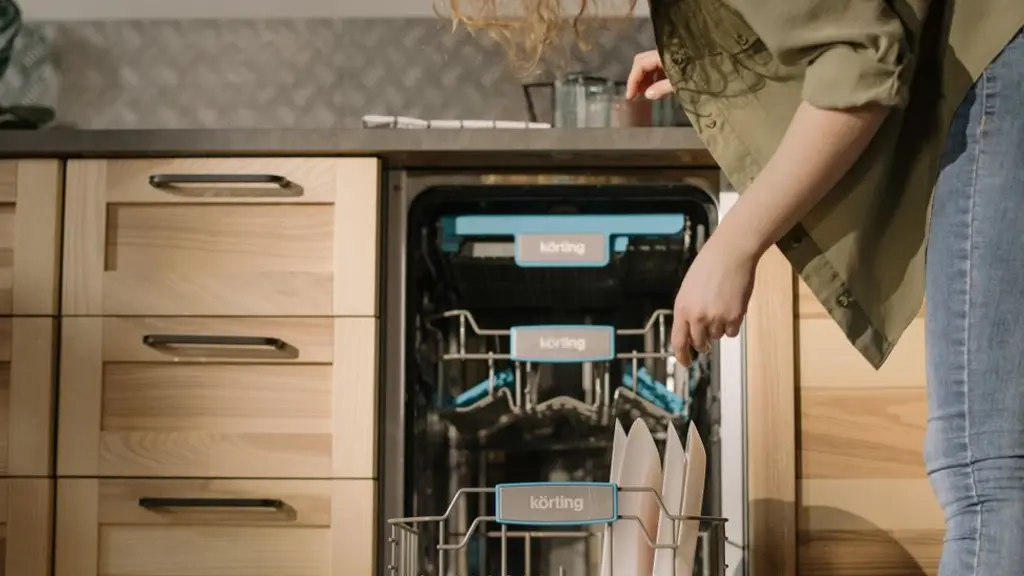
If your dishwasher smells bad even though it completes cycles normally, the cause in most cases isn’t a fault in the machine, it’s food debris trapped in the filter or drain hose, or limescale built up inside the heating element because of the UAE’s hard water. Fixing the smell starts with finding the source, not spraying an air freshener that covers it up temporarily.
The quick answer
Check the filter and drain hose first for trapped food debris, wipe the door seal for mold, then run an empty hot cycle with a cup of white vinegar to dissolve limescale. If the smell persists after that, the buildup is likely deep inside the pipes and heating element, and a commercial descaler product works with more force than vinegar alone.
Never mix vinegar with bleach or any chlorine-based cleaner - the combination releases toxic gases. Use one cleaner at a time and rinse thoroughly between products.
Key points
- The smell usually has nothing to do with a mechanical fault, it’s trapped buildup a normal cycle doesn’t reach.
- The filter and drain hose are the two most common spots where rotting food debris gets trapped.
- The UAE’s hard water speeds up limescale inside the heating element, creating a suitable environment for trapped grease to go rancid.
- The rubber door seal is a common spot for mold, especially if the door is closed right after each cycle before the inside dries.
- White vinegar is enough for most cases, and a commercial descaler is an extra option for heavy buildup only.
Where does the smell actually come from?
A dishwasher drains dirty water through a filter that traps larger food debris, then through a drain hose that connects to the sink (general background on dishwasher parts, from Britannica). If food debris sits at either of these two points for more than a day or two, it starts to rot and produces a smell that spreads with every following cycle. The UAE’s hard water adds another factor: limescale gradually builds up inside the heating element and internal pipes, and while these deposits are odorless themselves, they create an unevenly heated environment that keeps trapped grease damp instead of washing away completely (general background on limescale, from USGS).
Cause, telltale sign, and fix
| Cause | Telltale sign | Fix |
|---|---|---|
| Food debris trapped in the filter | Smell appears shortly after a cycle ends | Remove and hand-wash the filter under running water weekly |
| Drain hose partially blocked with food debris | Water pools at the bottom of the unit after a cycle | Check the hose behind the unit and clear any blockage |
| Limescale buildup inside the heating element | A faint, persistent smell despite a clean filter and seal | Run an empty hot cycle with a cup of white vinegar monthly |
| Mold on the rubber door seal | A damp smell coming specifically from the door area | Wipe the seal with a cloth dampened in mild soap, focusing on the folds |
Removing the smell, step by step
- Check the filter first: remove it and hand-wash it under running water, since it’s the most common spot where rotting food debris gets trapped.
- Check the drain hose: make sure it isn’t kinked and that the drain itself isn’t blocked on the sink side.
- Wipe the door seal: with a cloth dampened in warm water and mild soap, paying special attention to the folds where mold collects.
- Run an empty hot cycle with a cup of white vinegar: place it in a safe bowl on the top rack, since the hot steam dissolves light limescale.
- Leave the door slightly open after each cycle: airing out the inside for a few minutes prevents trapped moisture from turning into a moldy smell.
- If the smell persists: move to a dedicated commercial descaler, since the buildup is likely too deep for vinegar alone to reach.
Do you need a commercial descaler?
Dedicated dishwasher descaler products are available commercially as a stronger option than white vinegar for heavy buildup that’s been sitting for a long time, especially in homes with particularly hard water in some parts of the UAE. They’re used by running a single empty cycle with the product, and they reach the corners of the heating element and internal pipes with more force than a plain cup of vinegar. But they aren’t necessary if the smell is mild and routine cleaning is consistent, since white vinegar and a clean filter resolve most cases without needing an extra product. Think of it as a fix for stubborn cases, not an essential monthly step.
A unit whose design reduces the smell problem from the start
Part of the long-term fix is choosing a unit whose filter and parts are easy to access in the first place, since that makes the weekly clean faster and reduces the chance of buildup. The Midea Countertop Dishwasher, at 8 place settings, is a practical example: its filter and removable parts are easy to pull out and rinse in a smaller footprint. You’ll find full details in our guide to the best dishwasher in the UAE.
See the Midea Countertop Dishwasher price on Amazon.ae ↗
When to stop and call a technician
- The smell persists after the filter, drain hose, and door seal are cleaned.
- Standing water remains in the bottom after the drain hose is checked for a kink or blockage.
- Mold remains in the door seal folds after they are wiped with mild soap.
- Odor and heavy limescale remain after the vinegar cycle and a dedicated descaler cycle.
Stop using the dishwasher and have it checked by a qualified technician before using it again.
Bottom line
A bad dishwasher smell mainly comes from trapped food debris or limescale from the UAE’s hard water, not a fault in the machine. Check the filter, drain hose, and seal first, run a monthly vinegar cycle, and only reach for a commercial descaler for stubborn cases. For the full routine cleaning routine step by step, read how to clean a dishwasher. And if the unit has stopped working entirely rather than just smelling, see dishwasher not working: common causes. For the full buying criteria, check how to choose a dishwasher or browse the full dishwashers section.
Sources
- Britannica, “Home appliance (dishwashers)”,” general background on dishwasher parts and how they work: https://www.britannica.com/technology/home-appliance
- USGS, “Hardness of water”,” general background on limescale and its effect on household appliances: https://www.usgs.gov/water-science-school/science/hardness-water
This analysis is based on published information from Britannica (Home appliance (dishwashers)), USGS (Hardness of water).
Frequently asked questions
Why does my dishwasher smell bad even though it works normally?
The smell usually has nothing to do with a fault in the machine, but with food debris building up in the filter or drain hose, limescale from the UAE's hard water inside the heating element and pipes, or mold on the rubber door seal. The unit runs mechanically as it should, but these deposits don't wash away in a normal cycle and need targeted cleaning.
Is white vinegar enough to remove a dishwasher smell?
In most cases, yes. A cup of white vinegar in a bowl on the top rack with an empty hot cycle dissolves light limescale and removes the main source of the smell. If the smell persists after two vinegar rounds, the buildup is likely deep inside the pipes, and a dedicated commercial descaler works with more force.
Does limescale from the UAE's hard water actually cause the smell?
Yes, indirectly. The deposits themselves are odorless, but they build up on the heating element and reduce its efficiency, so the water heats unevenly and creates a suitable environment for trapped grease to go rancid instead of washing away completely, which is what produces the actual bad smell.
How often should I run an empty cleaning cycle to prevent odor?
Once a month is enough for most UAE homes given the water hardness, and more often if you use the machine heavily every day or notice a smell returning quickly after each clean. It's important to pair this with a weekly hand clean of the filter, since the empty cycle alone doesn't reach the food debris trapped inside it.
Do I need a descaler product, or is vinegar enough?
White vinegar is enough for regular routine maintenance in most homes. A commercial descaler is a useful extra option for heavy buildup that's been sitting for a long time, or for homes with especially hard water, since it's designed to reach the corners of the heating element with more force than vinegar. It isn't necessary if the smell is mild and routine cleaning is consistent.