
 Egypt
Egypt  Saudi Arabia
  USA
USA Dishwasher Not Working? Common Causes and How to Fix It
We may earn a commission from purchases through our links, at no extra cost to you. How we choose · Disclosure.
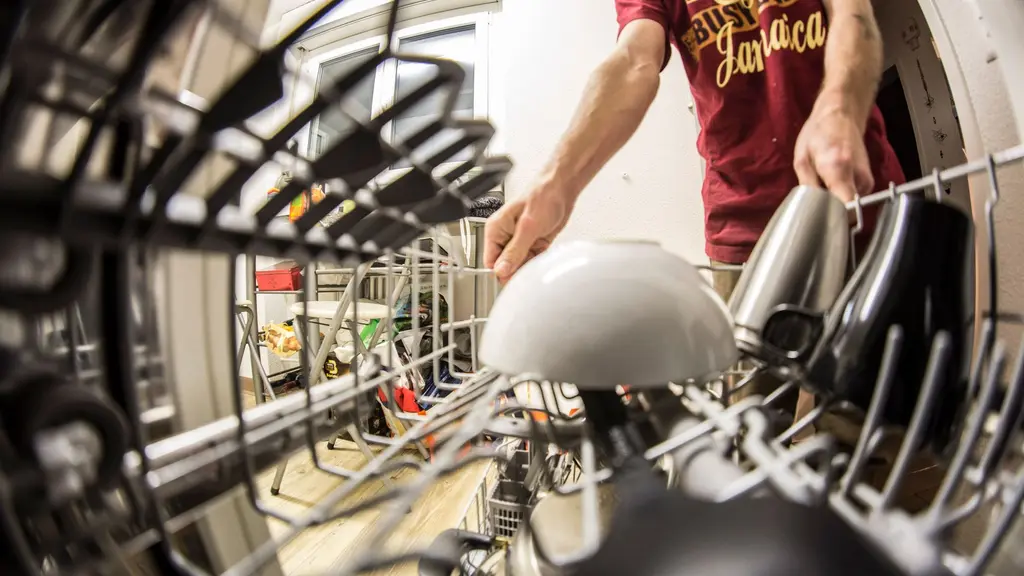
If your dishwasher suddenly stops working, the cause in most cases is simple before you think about calling a technician: a door that isn’t latched firmly, a child lock accidentally switched on, a closed water valve behind the unit, or a filter clogged with food debris. Try the steps in this guide in order first, since most dishwasher faults in the UAE get resolved without a technician at all.
The quick answer
Check first that the door is closed firmly and the child lock isn’t on, then that the water valve behind the unit is fully open, then inspect the filter and spray arm for a blockage. These four points explain most cases of “the machine isn’t working” or “dishes come out dirty.” Water leaking, unusual motor noise, and a breaker that keeps tripping are signs of a real internal fault that needs a technician.
Key points
- Most faults have a simple cause, not an internal breakdown: the door, the child lock, the water valve, or a clogged filter.
- The filter and spray arm are behind most “dishes aren’t clean” complaints, and both need regular manual cleaning.
- The UAE’s hard water speeds up spray arm blockages from limescale if dishwasher salt isn’t used regularly.
- A closed water valve or a kinked drain hose stop the cycle midway before it can finish.
- Water leaking, a grinding motor sound, or a breaker that keeps tripping after a repair are signs that need a technician, not a home fix.
How a dishwasher actually works
A dishwasher runs on a simple cycle: a valve lets water in, a pump sprays it through rotating arms onto the dishes, a heating element raises the water’s temperature, and a second pump drains the dirty water out at the end (general background on how a dishwasher works, from Britannica). Most everyday faults happen at one of these four stages: water in, spraying, heating, or draining, which is why diagnosing in order is effective before assuming something more complicated.
Symptom, likely cause, and fix
| Symptom | Likely cause | Fix |
|---|---|---|
| The unit won’t start at all | Door not latched firmly, or child lock is on | Close the door until you hear it latch, and turn off the child lock at the control panel |
| The unit starts then stops quickly | Water supply valve behind the unit is partially closed | Fully open the water valve behind the dishwasher |
| Dishes come out dirty | Filter clogged with food debris, or a blocked spray arm | Remove and hand-wash the filter, and clear the spray arm holes with a thin needle |
| Water pools at the bottom of the unit after a cycle | Drain hose is kinked or blocked | Check the drain hose behind the unit and make sure it isn’t bent |
| The unit trips the breaker on startup | Electrical overload or an internal wiring fault | Reset the breaker once; if it trips again immediately, call an electrician |
Diagnose it in order
- Check the door and power first: close the door firmly, turn off the child lock, and confirm the plug is connected and the breaker is fine.
- Check the water valve behind the unit: it should be fully open, since any partial closure prevents the cycle from finishing.
- Remove and inspect the filter: it usually sits at the bottom of the unit and needs a hand rinse under running water every week or two depending on use.
- Check the spray arm holes: clear them with a thin needle if they’re blocked by limescale or food residue.
- Check the drain hose: make sure it isn’t kinked and that the drain itself isn’t blocked on the sink side.
- Run a short empty test cycle: if the problem disappears, it was a simple blockage. If it persists, move to the next step.
When you need a technician, not a home fix
Some signs go beyond what you can fix at home: visible water leaking from underneath the unit, a metallic grinding sound from the motor during a cycle, a heating element that doesn’t raise the water temperature even though the cycle runs to completion, or a breaker that trips repeatedly after you reset it. In these cases, opening the unit yourself can make things worse and void the warranty if it’s still covered. If any of these faults keeps recurring after a repair, the question shifts from “how do I fix it” to “is it even worth fixing,” which we cover in detail in how long a dishwasher lasts before you need to replace it.
If it’s time to replace
If you’ve reached the decision to replace rather than repair repeatedly, the simplest option for most UAE homes right now, especially for renters, is the Midea Countertop Dishwasher, 8 place settings at roughly ≈ 1,149 AED, since it connects to a single kitchen tap with no plumbing changes at all. You’ll find full details and other picks in our guide to the best dishwasher in the UAE.
See the Midea Countertop Dishwasher price on Amazon.ae ↗
Bottom line
Most cases of “my dishwasher isn’t working” in the UAE come down to four simple causes: an unlatched door, an active child lock, a closed water valve, or a clogged filter. Work through the diagnostic steps above in order before calling a technician. Water leaking, unusual motor noise, and a breaker that keeps tripping are signs that need professional help, and if the fault keeps recurring despite repairs, it might be time to think about a new unit. Learn the full buying criteria in how to choose a dishwasher or browse the full dishwashers section. For other common issues, read how to clean a dishwasher or how to get rid of a bad dishwasher smell.
Sources
- Britannica, “Home appliance (dishwashers)”,” general background on dishwasher parts and how they work (water intake, spraying, heating, draining): https://www.britannica.com/technology/home-appliance
This analysis is based on published information from Britannica (Home appliance (dishwashers)).
Frequently asked questions
Why won't my dishwasher start when I press the power button?
The most common cause is a door that isn't latched firmly, since most models refuse to start a cycle until they hear a clear click, or a child lock accidentally switched on at the control panel. Also check that the plug is properly connected and that the kitchen's circuit breaker hasn't tripped. If all of that checks out and the unit doesn't respond at all, the issue is likely an internal electrical fault and needs a technician.
Why do dishes come out dirty even after a full cycle finishes?
The most common cause is a filter clogged with food debris or grease, a part that needs to be removed and rinsed by hand on a regular basis. The second common cause is the spray arm, whose small holes get blocked by limescale from the UAE's hard water or by food residue, weakening the spray. Also make sure you're picking a wash program that matches how dirty the dishes actually are, since a quick cycle isn't enough for heavily soiled pots.
Can I fix a dishwasher myself, or do I need a technician?
Issues related to the door, the child lock, the water valve, and cleaning the filter and spray arm are all steps anyone at home can handle without special tools. Water leaking from underneath the unit, unusual grinding noises from the motor, a heating element that isn't working, or a breaker that keeps tripping after you reset it are signs of an internal fault that need a qualified technician.
Why does my dishwasher stop in the middle of a cycle?
Usually because the water supply valve behind the unit is partially closed, so the machine is waiting for water to fill and can't complete the cycle. The second common cause is the drain hose: if it's kinked or blocked with food debris, the water-level sensor stops the cycle to protect the unit from overflowing. Check both hoses behind the unit first before assuming a bigger fault.
What are the signs a dishwasher needs replacing rather than repairing?
If the same fault keeps recurring after it's been fixed more than once, or you see water leaking from underneath the unit, or you hear a clear grinding sound from the motor, the cost of repeated repairs often gets close to the price of a new unit. That turns the question into a broader one about the machine's realistic lifespan.