
 Egypt
Egypt  Saudi Arabia
  USA
USA Robot Vacuum for a Villa: The Specs That Actually Matter
We may earn a commission from purchases through our links, at no extra cost to you. How we choose · Disclosure.
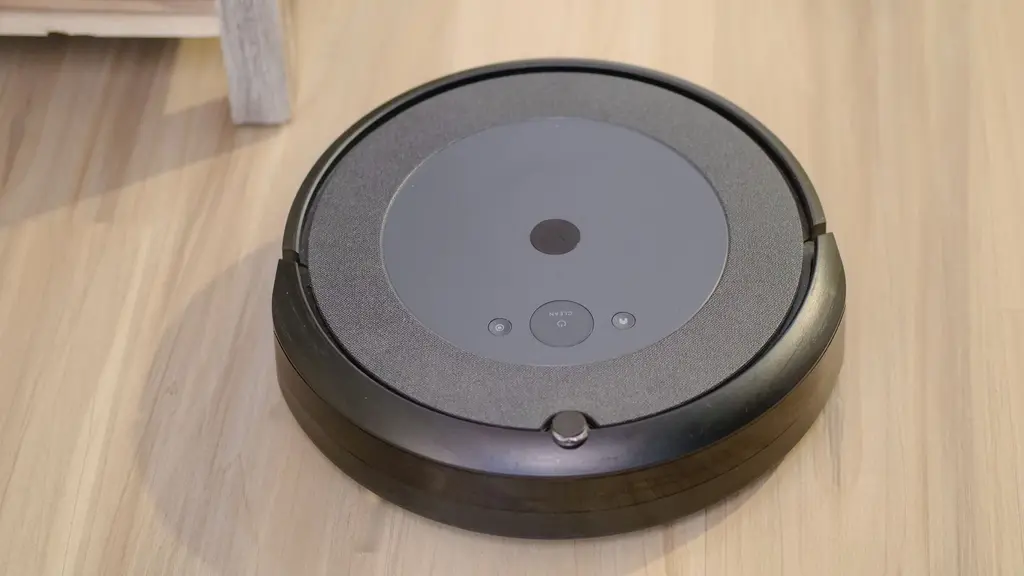
If you live in a villa with a large footprint and a mix of tile, marble, and carpet, the spec that matters most in a robot vacuum isn’t suction power, it’s navigation: precise laser or camera mapping that covers every room without repeating passes or stalling out, paired with a large dustbin or an auto-empty base, and enough runtime or recharge-and-resume to handle the bigger area. A robot vacuum built for a small apartment simply won’t cut it in a multi-room villa.
The quick answer
For a large, multi-room villa, the single most important robot vacuum spec is mapping navigation (laser LiDAR or camera), not random bump navigation, paired with a large dustbin or an auto-empty base and enough runtime or recharge-and-resume to finish the job automatically. Suction alone isn’t the deciding factor here, villas need reliable coverage and smart navigation more than raw power. Mopping alongside vacuuming is a genuinely useful extra if your villa has significant tile or marble area.
Key takeaways
- A robot vacuum is an automated device that relies on sensors and internal maps to plot its route and avoid obstacles (robotic vacuum cleaner definition from Britannica).
- Mapping navigation matters more than raw suction in a multi-room villa, because it determines whether the vacuum covers every spot without repeating passes or stalling, and most higher-tier models use laser technology to build a precise map of the space (Lidar background from NOAA).
- Dustbin capacity or an auto-empty base makes a real difference over a larger floor area, since a bigger villa means more dust and hair between empties.
- Runtime plus recharge-and-resume are essential to cover a full floor, or more, without restarting the whole run from scratch.
- Mopping alongside vacuuming is a useful extra, not a must-have, and it genuinely earns its keep if the villa has significant tile or marble area.
Why navigation matters more than suction in a large villa
In a small one- or two-room apartment, even a robot vacuum with random bump navigation finishes covering the whole space within minutes, because the margin for error is small. In a villa with several living rooms, bedrooms, and hallways, the difference is stark: random navigation means repeated passes over the same spot dozens of times while other corners go untouched entirely. Precise laser or camera mapping builds a floor plan room by room, splits cleaning into zones, and lets you set no-go areas (a nursery during nap time, or the cables around an appliance) with precision. That gap between genuinely thorough cleaning and partial, random cleaning is what decides whether a robot vacuum is a worthwhile investment in a large villa.
Bin capacity and runtime: don’t underestimate the scale
A bigger villa simply means more dust, hair, and sand grains collecting on every cleaning run. A small dustbin sized for an apartment fills up fast in a villa and needs frequent manual emptying, which erodes the whole point of a hands-off device. An auto-empty base solves this by tipping the robot’s bin into a larger bag or container automatically after every run, so you might only need to empty it yourself every few weeks.
Runtime is a similar problem: a vacuum built to cover 60 square meters on one charge will stall halfway through a 300-square-meter villa, and without recharge-and-resume, which sends it back to the dock, charges, then continues from where it stopped, you’d need to manually restart it two or three times to finish the clean. That specific feature, not battery capacity alone, is what makes a robot vacuum genuinely suited to a large space.
Do you need one unit, or one per floor?
In a two-story or larger villa, carrying a robot vacuum between floors every day isn’t practical and defeats its main purpose: running on its own without your intervention. If budget allows, a separate unit per floor, or at least for the ground floor with the most traffic, gets far better results than moving one unit up and down. If you’re starting with just one unit, prioritize the floor that sees the most daily use, and add a second unit later if dust keeps building up on the other level.
Quick comparison: specs that suffice for a small apartment versus a villa
| Spec | Enough for a small apartment | Needed for a villa |
|---|---|---|
| Navigation | Simple camera or bump sensors often suffice | Laser mapping (LiDAR) or precise camera to cover multiple rooms without repeats |
| Dustbin capacity | A small or medium bin is enough | A large bin or auto-empty base cuts manual emptying |
| Runtime | One pass usually covers the space | Longer runtime or recharge-and-resume to finish the job |
| Mopping | Nice to have | Genuinely useful if tile or marble area is significant |
| Number of units | One unit is usually enough | May need one per floor in larger villas |
The vacuum that actually fits your villa
If your research points to a robot vacuum as the right call, the roborock Q7 Pro Max is the robot pick in our guide to the best vacuum cleaner in the UAE, vacuuming and mopping in one pass with thousands of positive reviews on Amazon.ae, and it’s a solid example of a mid-tier model capable of covering a reasonable area. But most large villa households end up with two machines in practice: a robot for daily upkeep, and a stronger vacuum for the deeper weekly clean on thick carpet that a robot can miss, exactly as our robot vs cordless vacuum piece explains. A practical example of that second machine from the same guide is the Philips 5000 Series FC9570/62, a corded canister vacuum with strong suction on both tile and carpet and thousands of positive reviews on Amazon.ae. We didn’t pick it for being the cheapest, we picked it because it consistently covers the deep-clean job a robot can miss in a large villa. You’ll find its current price and the Amazon.ae link in the card above.
See the Philips FC9570/62 price on Amazon.ae ↗
If you choose a cordless stick instead of a corded canister as that second machine, make sure its runtime covers the villa’s larger area, see cordless vacuum battery life before you buy.
Bottom line
For a large villa, don’t judge a robot vacuum on suction power alone. Check navigation first (laser mapping or a precise camera beats random bump navigation), then dustbin capacity or an auto-empty base, then runtime and recharge-and-resume. Mopping alongside vacuuming is a useful extra, not a requirement. And if your villa has two floors or more, consider a separate unit per floor rather than carrying one up and down daily. If you’re still weighing a robot against other types, start with our guide to choosing a vacuum, and if you also need a fix for sand building up in your villa’s carpets, read how to get sand out of carpet or browse vacuum cleaners in the UAE for the full lineup.
Sources
- Britannica, “Robotics research”, definition of the robot vacuum and how it navigates using sensors and mapping: https://www.britannica.com/technology/robot-technology/Robotics-research
- NOAA, “What is lidar”, background on the laser technology used in advanced robot vacuum navigation systems: https://oceanservice.noaa.gov/facts/lidar.html
This analysis is based on published information from Britannica (Robotics research), NOAA (What is lidar).
Frequently asked questions
How much floor area can a robot vacuum cover on one charge?
It varies by model, but most mid-tier robot vacuums cover roughly 100 to 200 square meters on a single charge before needing to recharge. Villas larger than that need a model with recharge-and-resume, which returns to the dock, charges, then automatically continues cleaning from where it stopped instead of restarting the whole run.
Do I need a robot vacuum for every floor in a villa?
Not necessarily, but it's more practical in a multi-floor villa. Carrying a robot vacuum between floors every day is inconvenient and undercuts its main benefit, working on its own without you lifting a finger. If budget allows, a separate unit for each floor, or at least for the floor with the most daily traffic, works better than moving one unit up and down.
Is an auto-empty base necessary for a large villa?
It's not necessary, but it's genuinely useful. More floor area means more dust and hair collecting in the bin, so an auto-empty base cuts down how often you need to step in and empty it manually, especially with daily cleaning. In a relatively smaller villa, a large regular bin might be enough without a base.
Can a robot vacuum replace a manual vacuum entirely in a villa?
Usually not. A robot vacuum is excellent for daily upkeep on tile and low-pile rugs, but it typically can't match a canister or cordless vacuum's suction on thick carpet, and it can miss tight corners or areas under low furniture. Most villa households end up with two machines: a robot for the daily baseline, and a stronger vacuum for a deeper weekly clean.
Is a premium robot vacuum worth it over a mid-tier one for a large villa?
It depends on your priority. Premium models usually offer more precise mapping, a bigger bin, an auto-empty base, and self-maintaining features that cut down manual upkeep, which is worth the price difference in a large villa used daily. For a smaller villa or less frequent use, a mid-tier model with good navigation may be enough without paying the premium.