
 Egypt
Egypt  Saudi Arabia
  USA
USA Steam Iron Heats Up But Produces No Steam: Why?
We may earn a commission from purchases through our links, at no extra cost to you. How we choose · Disclosure.
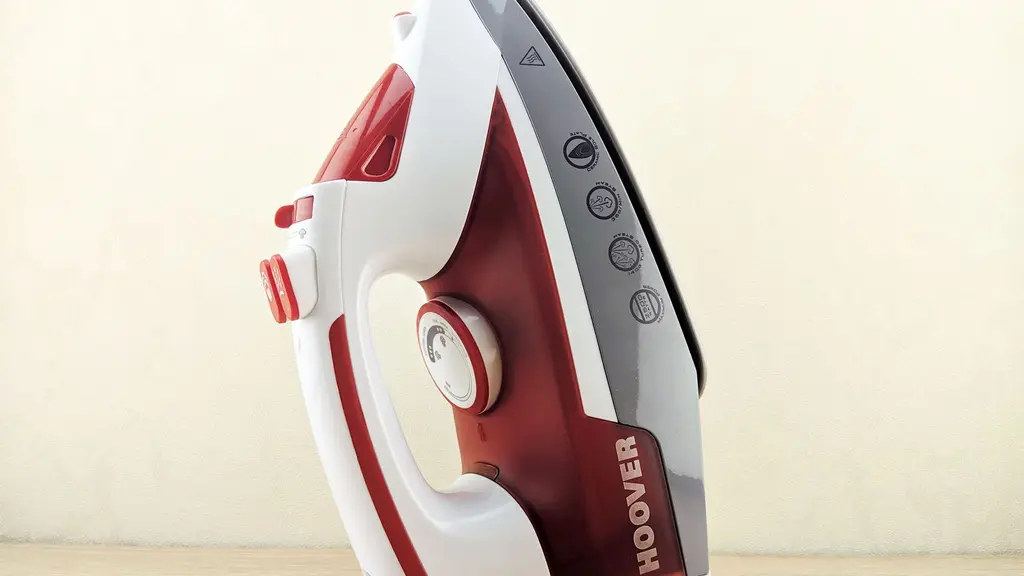
An iron that heats up completely normally but produces no steam when you press the button doesn’t necessarily mean it’s broken. Check, in order: the water level in the tank, blocked steam vents, and mineral scale buildup inside the soleplate, since these three explain most cases. The fix is usually a simple clean, not a replacement iron.
The quick answer
Before assuming a real fault, check the water level first, then the steam vents, then mineral scale inside the steam chamber. Scale from direct tap water is the most common cause of weak or missing steam despite normal heating. If the problem persists after fully descaling, the next step is the warranty, not opening the iron yourself.
Key takeaways
- A steam iron pushes water through an internal heating chamber to turn it into steam, and any blockage along that path stops steam output even though the soleplate itself is perfectly hot (background on the clothes iron from Britannica).
- Mineral scale buildup inside the soleplate is a very common cause of lost steam, especially when the tank is filled with tap water directly with no regular descaling (background on limescale from USGS).
- A water level below the minimum line automatically blocks steam on some models as a safety measure, and it’s the first thing worth checking.
- Water in some UAE buildings runs harder than expected, because of storage tanks and piping, which speeds up scale buildup compared to softer water.
- Never open the iron’s body yourself, since it houses a sensitive electrical circuit and heating element, and doing so can void the warranty.
The checklist to run before assuming a real fault
Work through these steps from simplest to most involved:
- Check the water level in the tank. Compare it to the minimum line, since some models automatically block steam if the level is too low.
- Confirm you’re on the steam setting, not dry ironing. Some irons have a dedicated dial or heat zone for steam, and pressing the button outside that range won’t produce steam even on a fully working iron.
- Inspect the steam vents on the soleplate. Fabric lint or small white deposits blocking the vents reduce steam output or stop it entirely.
- Check for mineral scale inside the steam chamber. This is actually the most common cause, especially with direct tap water and relatively hard water in some buildings.
- Try the self-clean function if your iron has one. Most mid-range and premium steam irons include a self-clean button that forces steam and water through the vents to break up light scale.
- If the problem persists after all of that, check the warranty on your purchase receipt and contact the manufacturer’s customer service rather than opening the unit yourself.
Mineral scale: the most common cause of missing steam
In most cases where an iron heats up completely normally but produces no steam, the real cause is a layer of scale built up inside the steam chamber and around the soleplate vents. This layer gradually narrows the steam path until it’s fully blocked, which is why the problem can feel sudden even though it actually built up over weeks or months of use with direct tap water.
The fix here is cleaning, not a technical repair. If your iron has a self-clean function, use it per the model’s manual first. If not, fill the tank with a diluted white vinegar and water solution in roughly equal parts, run the steam function over an old cloth for a few minutes until all the treated water has passed through the vents, then rinse the tank with clean water at least twice. If the buildup has been sitting for a long time, you may need to repeat the step more than once before steam returns to full strength.
Common symptoms and likely causes
| Symptom | Likely cause | What to check |
|---|---|---|
| Iron is hot but no steam at all | Water level below the minimum line | Compare the level to the tank’s fill line |
| Steam noticeably weaker than before | Partial mineral scale inside the soleplate | Run a descaling cycle with diluted vinegar |
| Steam sputters or water leaks instead | Soleplate vents partially blocked | Check the vents for visible white deposits |
| Steam only works on continuous press, not the normal button | Iron set to a dry heat zone, not steam | Check the model’s manual for the steam range |
| Steam entirely absent even after fully descaling | Internal steam valve or electrical circuit | Check the warranty, don’t open the unit yourself |
To avoid this problem going forward
Descaling on a schedule is the cheapest way to avoid missing steam in the first place, and it’s worth the few minutes it takes every few weeks depending on how heavily you use the iron. Diluted white vinegar is enough for most households, but ready-made descaling solutions and tablets designed specifically for steam irons also exist, which skip the step of mixing your own solution and help if your building’s water is especially hard. There’s no need to buy anything extra to start, diluted vinegar is a practical and effective fix on its own.
If your current iron keeps running into this problem despite regular cleaning, or it’s old enough that it’s not worth the effort to keep fixing, it may be time to consider a replacement. A practical example from our shortlist: the Philips Steam Iron 3000 Series, with a 2600W element and 40g/min steam output, backed by hundreds of positive reviews on Amazon.ae, and it tops our guide to the best steam iron in the UAE.
Bottom line
A hot iron with no steam isn’t necessarily broken: check the water level, the heat setting, the soleplate vents, and mineral scale in that order before assuming the worst. Scale from direct tap water is the most common cause, and the fix is a diluted vinegar clean, not a technical repair. If you’ve checked all of that and the problem persists, the real issue is likely the internal valve or electrical circuit, and that’s a warranty matter, not something to open yourself. If you’ve decided your current iron has reached the end of its life, see the best steam iron in the UAE for our practical pick, read how to choose a steam iron for the full buying criteria, or browse steam irons for the full hub.
Sources
- USGS, “Hardness of water”, background on mineral scale and its effect on household heating appliances: https://www.usgs.gov/water-science-school/science/hardness-water
- Britannica, “Iron pressing”, background on how an electric steam iron turns water into steam: https://www.britannica.com/technology/iron-pressing
This analysis is based on published information from USGS (Hardness of water), Britannica (Iron pressing).
Frequently asked questions
My iron heats up but no steam comes out when I press the button, what's the first thing to check?
Check the water level in the tank first. If it's below the minimum line, some models automatically block steam as a safety measure. If the level is fine, the next most common cause is blocked steam vents or mineral scale buildup inside the soleplate.
Does mineral scale actually stop steam from coming out?
Yes, and it's a very common cause, especially if you fill the tank with tap water directly. Scale builds up inside the steam chamber and around the soleplate vents, gradually narrowing them until steam output drops or stops entirely, even though the iron heats up completely normally.
How do I descale a steam iron myself?
If your iron has a self-clean function, use it first per the model's manual. If not, fill the tank with a diluted white vinegar and water solution in roughly equal parts, run the steam function over an old cloth for a few minutes until all the treated water has passed through, then rinse the tank with clean water at least twice. Repeat if the buildup has been sitting for a long time.
Does the type of water I use actually cause this problem?
Largely yes. Tap water carries dissolved minerals that turn into scale with every use, and water in some UAE buildings runs harder than expected because of storage tanks and piping. Using distilled or demineralized water instead of tap water directly slows scale buildup significantly.
When should I consider it a real fault rather than a scale problem?
If you've checked the water level and fully descaled the unit following the steps above, and steam still doesn't come out even though the iron heats up normally, the issue is likely the internal steam valve or the electrical circuit, and that's not something to fix yourself. Check the warranty before considering a replacement.