
 Egypt
Egypt  UAE
UAE  USA
USA Common Microwave Buying Mistakes to Avoid
We may earn a commission from purchases through our links, at no extra cost to you. How we choose · Disclosure.
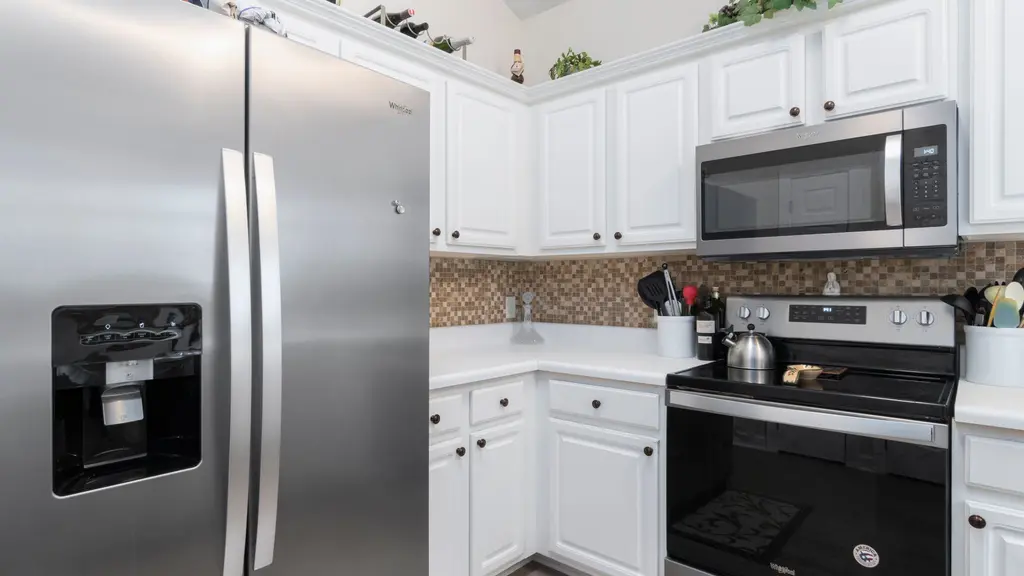
The biggest microwave buying mistakes are picking a capacity without measuring the dishes you actually cook, judging quality by wattage alone, buying a grill or 3-in-1 microwave without a real need for browning, ignoring available counter or cabinet space, and relying on price alone instead of checking the consensus of buyer reviews. Each of these usually ends with a returned unit or one that gets used less than expected. Here’s each mistake broken down, and how to avoid it.
The quick answer
The biggest microwave buying mistakes are choosing a capacity that doesn’t match how you cook and your household size, relying on wattage or price alone as a quality signal, buying a grill or 3-in-1 microwave without a real need for browning, and ignoring counter or cabinet space. The fix for each is simple: match capacity to the dishes and people you actually cook for, weigh wattage together with interior design and buyer reviews, and only pay for a grill function if you’ll actually use it.
Key points
- A microwave works by using electromagnetic waves that agitate water molecules inside food, generating heat from within, so interior cavity design and how evenly the waves spread affect the result as much as raw wattage (microwave oven definition from US FDA).
- Interior capacity should be measured against the dishes you actually cook, not price or the unit’s outward shape.
- A grill or convection function is an investment with a specific justification: genuine, regular browning and crisping, not just faster reheating.
- Counter or cabinet space is a factor buyers often forget, since larger models can need more horizontal or vertical clearance than is actually available, especially for a fitted kitchen cabinet.
- The cheapest price isn’t always the best value, the consensus of buyer reviews is a more reliable signal of real-world performance.
Mistake one: choosing capacity without measuring how you actually cook
Many buyers pick a microwave’s capacity based on price or available shelf space alone, instead of thinking about the dishes they actually reheat. A capacity that’s too small means a large plate or family-size casserole dish won’t fit in the interior at all, while one much bigger than needed takes up extra counter space with no real added benefit. The practical rule: a compact 20L solo model suits one to two people for everyday reheating, while a bigger household that also wants grill function typically needs 20 to 29L.
Mistake two: judging quality by wattage alone
Wattage is an easy number to compare, so many buyers lean on it alone as a quality signal. But the interior cavity design, turntable rotation, and how evenly the electromagnetic waves spread affect heating results almost as much. A moderate-wattage model with a well-designed interior can heat more evenly than a higher-wattage unit that leaves cold spots in the middle or at the edges. Check the consensus of buyer reviews on heating consistency, not the wattage figure alone.
Mistake three: buying a grill microwave without a real need for browning
A grill or 3-in-1 microwave looks appealing because it gives you browning and crisping alongside regular reheating, but it earns its higher price only if you actually use the browning function on a regular basis. If your daily use is limited to warming up leftovers and defrosting, you’re paying more for a feature you won’t use much, and a cheaper solo model does the same everyday job for less money. For the full breakdown of this decision, see solo vs grill microwave.
Mistake four: ignoring counter or cabinet space
Larger or grill-function models are usually wider and deeper than a solo unit of roughly the same capacity, and some need extra ventilation clearance on the sides or above. Many buyers only measure the available counter width and forget to check the depth and height, especially if the plan is to fit the unit inside a closed kitchen cabinet, ending up with a model that doesn’t actually fit their kitchen despite looking like the right choice on paper.
Mistake five: relying on price alone as the deciding factor
The cheapest price is tempting, but it isn’t always the best value. A much cheaper model may mean a smaller capacity, less even heating, or lower reliability according to buyer reviews. It’s better to weigh price against the capacity you actually need and the consensus of reviews, rather than picking the lowest number on the page. To compare actual price tiers, see microwave prices in Saudi Arabia.
Quick table: mistake versus fix
| Mistake | Why it hurts | The right fix |
|---|---|---|
| Capacity that doesn’t match how you cook | Big dishes don’t fit, or wasted space | Match capacity to actual dishes and household size |
| Relying on wattage alone | Uneven heating results | Check interior design and buyer reviews together |
| Grill function without a real need | Higher price with no real benefit | Buy it only if you’ll brown food regularly |
| Ignoring counter or cabinet space | A unit that doesn’t fit the available spot | Measure width, depth, and height available first |
| Price as the only criterion | Lower value despite the lower price | Weigh price against capacity and reviews together |
A model that avoids these mistakes from the start
If you want an example of a model that balances capacity, wattage, and reviews without falling into any of these traps, the Toshiba MW3-AG20PE 3-in-1 20L Grill Microwave shows it well: a 20L capacity that’s a practical everyday size without overshooting, 3-in-1 functions that combine microwave, grill, and convection for anyone who genuinely wants browning, and thousands of positive reviews on Amazon.sa confirming consistent results. That’s why it tops our guide to the best microwave in Saudi Arabia.
See the Toshiba MW3-AG20PE price on Amazon.sa ↗
Bottom line
Most microwave buying mistakes come down to ignoring how you actually cook and your household size, relying on a single number (wattage or price) instead of the full picture, and buying a grill function without a real need for it. Avoiding these five mistakes simply gets you to a model that fits how you actually cook, not the one that looks most exciting on the page. If you’re still deciding which tier suits you, read our solo vs grill microwave explainer, and for the full buying criteria see how to choose a microwave. You can also browse the full microwaves section.
Sources
- US FDA, “Microwave ovens”, definition of the microwave and the electromagnetic heating principle it relies on: https://www.fda.gov/radiation-emitting-products/resources-you-radiation-emitting-products/microwave-ovens
This analysis is based on published information from US FDA (Microwave ovens).
Frequently asked questions
What's the biggest mistake first-time buyers make when buying a microwave?
Choosing capacity based on price or looks instead of the dishes you actually cook and your household size. A capacity that's too small means large casserole dishes won't fit in the interior, while one much bigger than you need takes up extra counter space for no real benefit.
How do I know the right size microwave for my household before buying?
For one or two people, a compact 20L solo model is plenty for everyday reheating and defrosting. For a family kitchen that also wants grill or convection cooking, step up to a 20 to 29L model. Bigger isn't automatically better if your counter or cabinet space is tight, so match the liters to what you actually cook, not the biggest number on the shelf.
Does higher wattage always mean a better microwave?
Not on its own. Wattage determines heating speed, but the interior cavity design, turntable rotation, and how evenly the microwaves spread affect the result just as much. A moderate-wattage model with a well-designed interior can heat more evenly than a higher-wattage unit that leaves cold spots.
Is it worth paying more for a grill or 3-in-1 microwave?
Only if you actually want to brown and crisp dishes on a regular basis, not just reheat and defrost. If your daily use is limited to warming up leftovers and defrosting, a cheaper solo model does the same job without paying for a grill function you won't use much.