
 Egypt
Egypt  UAE
UAE  USA
USA How to Iron a Thobe at Home Like the Laundry
We may earn a commission from purchases through our links, at no extra cost to you. How we choose · Disclosure.
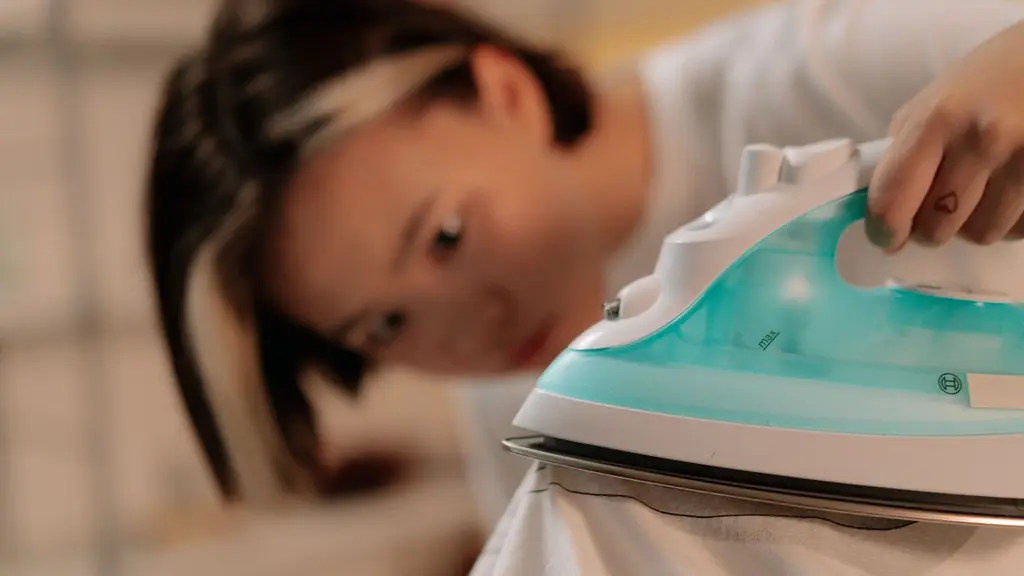
Ironing a thobe at home with a finish close to a professional laundry press comes down to three things: the right heat for the fabric, enough steam to relax the fibers, and an ironing order that starts at the collar and sleeves before the main body. The most common mistake is heat set too high on a lighter weave, which leaves shine or a scorch mark, or heat set too low, which leaves wrinkles behind no matter how much effort you put in. Full details below, and if you’re still comparing iron types themselves, check the best steam iron in Saudi Arabia first.
Quick answer
Set the iron to a cotton or linen heat setting based on the thobe’s fabric, use steam, and iron the collar, sleeves, and chest before moving to the body and hem. Press the thobe while it’s still slightly damp rather than fully dry, since dampness helps steam relax the fibers faster. Fabric starch spray is an optional add-on for a longer-lasting crease, but it isn’t necessary if the heat and steam are set correctly.
Key points
- Heat depends on the fabric: heavy cotton handles higher heat than thin linen or blended fabric, and too much heat is the top cause of shine or a light scorch mark.
- Order saves time and prevents new wrinkles: pressing the collar and sleeves first, then the chest and back, then the hem, stops already-pressed sections from re-wrinkling while you work on the rest.
- Slight dampness makes steam work faster than fully dry fabric, since damp fibers respond to heat and pressure more readily (general background on how an iron and steam work, Britannica).
- Fabric starch spray is optional, not necessary, and mainly helps hold a longer crease on heavy cotton or give a stiffer look for a formal occasion.
- A thobe is one long connected piece, so hanging it right after ironing prevents new wrinkles from forming before the fabric fully cools.
Why a thobe needs a different approach than a regular shirt
A thobe is one long, connected piece from collar to hem, with no waistline to split the job the way a shirt has, which means more surface area that needs a clear order so you don’t re-wrinkle a section you already finished while working on another. Fabric also varies more than you’d expect: light summer cotton for hot weather, heavier cotton for winter, and sometimes linen or a linen blend for formal occasions, and each tolerates different heat. The front button placket and collar line are also more visible than the rest, since they’re the first thing seen when worn, so they deserve extra care with lengthwise strokes rather than circular ones. If your thobe is a very delicate fabric that only needs wrinkles relaxed without direct contact against a hot soleplate, see steam iron vs garment steamer to compare the two.
Getting the setup right: heat and steam
Set the heat dial by the thobe’s fabric, not by how fast you want to finish. Always test on an inside hem first, and check for shine or a change in texture before moving to the visible fabric. Enough steam reduces how hard you need to press by hand, which alone lowers the risk of stretching the fabric or leaving shine lines you didn’t intend.
| Thobe fabric | Heat setting | Note |
|---|---|---|
| Light summer cotton | Medium to high with steam | Test on an inside hem first |
| Heavy cotton (winter) | High with full steam | Handles more pressure for a sharper crease |
| Linen or linen blend | Medium with light steam | Too high a heat leaves shine |
| Poly-cotton blends | Low to medium | High heat can melt synthetic fibers and leave a sticky mark |
Steps to iron a thobe in the right order
- Lay the thobe out fully on a board long enough for its full length, or hang it if the board is shorter.
- Iron the collar first, inside then outside, with enough steam to set its shape.
- Move to the sleeves and cuffs, laying them fully flat on the board before pressing to avoid unwanted side crease lines.
- Press the chest and front button placket with lengthwise strokes rather than circular ones, since this is the most visible part when worn.
- Iron the back and then the sides with even strokes covering the full surface.
- Finish with the hem and lower section, checking for any pleats or side vents.
- Hang the thobe right away on a hanger before the fabric fully cools, which prevents new wrinkles from forming as it cools down.
Fabric starch spray: is it worth adding?
If you get the heat, steam, and order above right, you already get a clean crease with no add-on. But if you want a stiffer crease that holds longer through the day, especially on heavy cotton or for a formal occasion, fabric starch spray is a practical optional add-on: sprayed on the fabric right before ironing, it gives the collar and cuffs a stiffer body. Don’t treat it as necessary or a substitute for the right setup, since it improves the look of an already-correct crease rather than fixing a mistake in heat or order.
An iron that makes ironing a thobe easier
If you’re still shopping for an iron that suits this job, a well-rounded iron makes a real difference to the result. A practical example from our shortlist: the Russell Hobbs Light & Easy Steam Iron, with a light, easy-to-handle build that’s comfortable through a full ironing session, and balanced steam performance that’s enough for both heavy and light thobe cotton. It’s backed by hundreds of positive reviews on Amazon.sa. We didn’t pick it for being the most powerful iron on the market, we picked it because the balance of comfort and performance makes sense for a long ironing session, which is why it tops our guide to the best steam iron in Saudi Arabia. You’ll find its current price and the Amazon.sa link in the card below.
See the Russell Hobbs Light & Easy Steam Iron price on Amazon.sa ↗
Bottom line
Ironing a thobe at home with a finish close to a professional laundry press mostly comes down to correct heat for the fabric, enough steam, and an order that starts at the collar and ends at the hem, with the thobe hung right away once you’re done. Fabric starch spray is an optional add-on for a stiffer crease, not a fix for a mistake in the basics. If you’re still deciding between a dry iron and a steam iron, see steam iron vs dry iron, and for the full buying criteria read how to choose a steam iron. For everything in this category in one place, browse our steam irons section.
Sources
- Britannica, “Thawb”, background on the thobe as a traditional garment and its common fabrics: https://www.britannica.com/topic/thawb
- Britannica, “Iron pressing”, general background on how an iron and steam work: https://www.britannica.com/technology/iron-pressing
This analysis is based on published information from Britannica (Thawb), Britannica (Iron pressing).
Frequently asked questions
What's the right heat setting for ironing a thobe?
It depends on the fabric. Heavy winter cotton handles high heat with full steam, while lightweight summer cotton or linen only need medium to medium-high heat, since too much heat on a thinner weave leaves shine or a light scorch mark. If the thobe is a poly-cotton blend, use low to medium heat instead. Always test on an inside hem first before ironing the visible fabric.
Does fabric starch spray actually improve the result?
Fabric starch spray is optional, not essential. If you get the heat, steam, and order right, you already get a clean crease with no add-on. Spray helps most if you want a stiffer collar and cuffs that hold their shape longer through the day, especially on heavy cotton, but it doesn't fix a mistake in heat or technique.
What's the correct order for ironing a thobe?
Start with the collar, inside then outside, then the sleeves and cuffs once laid flat on the board, then the front placket and chest with lengthwise strokes, then the back and sides, and finish with the hem and any side vents. This order stops you from re-wrinkling the parts you already pressed while working on the rest, since the smaller upper sections need more precision before you move to the large body area.
Why does the thobe show shine or a light scorch mark after ironing?
Almost always heat set higher than the fabric can handle, especially on light cotton, linen, or a poly-cotton blend. The fix is to drop the heat setting by one notch, test it on an inside hem first, and make sure steam output is sufficient rather than relying on high heat alone to press out wrinkles.