
 Egypt
Egypt  UAE
UAE  USA
USA Why Does a Microwave Smell and How Do You Get Rid of It?
We may earn a commission from purchases through our links, at no extra cost to you. How we choose · Disclosure.
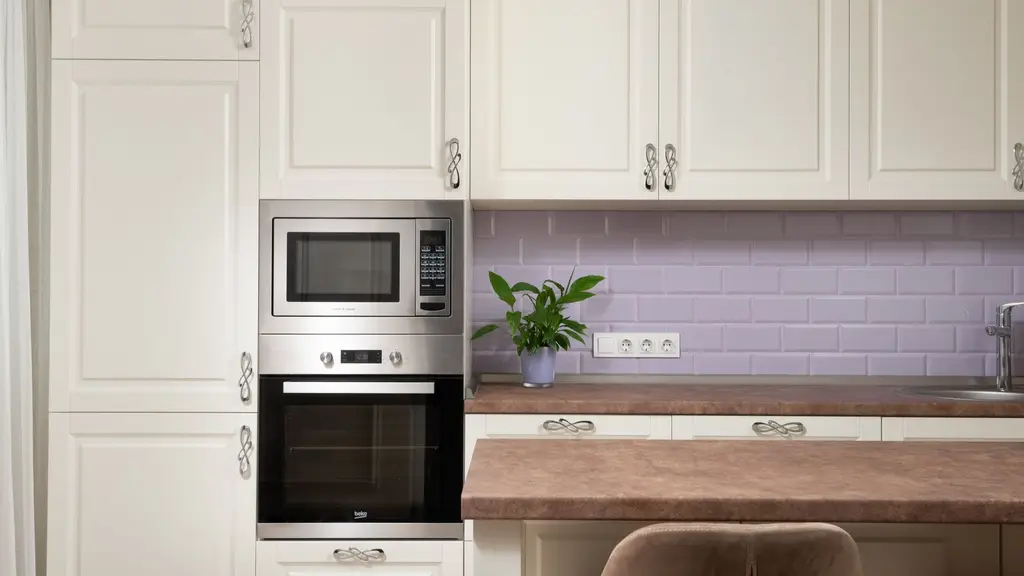
A lingering bad microwave smell usually comes from grease that has built up around the door seal, the vents, or the edges of the turntable, spots a quick daily wipe skips entirely. The fix starts with a steam clean using vinegar or lemon to loosen most of the residue, then wiping the door seal by hand, and leaving the door open for a few minutes after each use to air the unit out. If the smell lingers, an open bowl of baking soda left inside overnight absorbs what’s left.
Never mix vinegar with bleach or any chlorine-based cleaner - the combination releases toxic gases. Use one cleaner at a time and rinse thoroughly between products.
The quick answer
A bad microwave smell usually comes from grease around the door seal or the edges of the turntable, not from the unit itself. Steam clean the interior with vinegar or lemon, wipe the door seal by hand with a cloth dampened in soapy water, and leave the door open for a few minutes after each use. For smells that linger despite cleaning, an open bowl of baking soda left inside overnight absorbs what remains.
Key takeaways
- The smell usually comes from grease built up around the door seal or vents, spots a quick daily wipe skips entirely (how a microwave oven works, from US FDA).
- Repeated heating sets the smell in deeper, because greasy residue reheats over and over, leaving a stronger smell with every use it’s left uncleaned.
- The rubber door seal traps moisture and fine food residue that a normal wipe-down often doesn’t reach.
- Baking soda absorbs lingering odors without a strong chemical reaction, making it a safe, low-cost fix for a persistent smell (background on sodium bicarbonate, from Britannica).
- Leaving the door open after each use prevents trapped moisture, a major factor in odors getting worse over time.
Where does a microwave smell actually come from?
Most people only wipe the visible interior surface, but the smell usually comes from tighter spots: the rubber door seal, which traps moisture and fine residue, the vents near the heating element, or the underside edge of the turntable, where small droplets collect out of sight. With every use after that, this residue reheats again and the smell sets in deeper, even when the visible interior looks perfectly clean.
Steps to get rid of a microwave smell
- Steam clean the interior first: place a bowl of water with white vinegar or half a lemon inside, run the microwave for 3 to 5 minutes until steam forms, then wipe the inside once it’s cooled slightly.
- Wipe the rubber door seal with a cloth dampened in soapy water, a spot a normal quick wipe skips despite being one of the biggest odor traps.
- Wipe the vents carefully with a cloth that’s only slightly damp, not wet, and avoid pressing or trying to reach anything deeper than the visible opening.
- Leave the door open for 10 to 15 minutes after heating greasy or strong-smelling food, which prevents moisture from getting trapped inside.
- Leave an open bowl of baking soda inside the unit overnight if a lingering smell persists despite thorough cleaning, since it absorbs odors without leaving a replacement smell.
Table: odor source and the right fix
| Odor source | Fix |
|---|---|
| Grease residue on the interior walls | Steam clean with vinegar or lemon |
| Buildup around the rubber door seal | Wipe by hand with a cloth dampened in soapy water |
| Trapped moisture after cooking | Leave the door open for a few minutes after each use |
| Smell lingers despite thorough cleaning | Open bowl of baking soda left inside overnight |
A practical add-on for lingering odors
For anyone whose microwave still smells despite regular cleaning and a spotless door seal, a small dedicated microwave odor absorber pack can be left inside the unit between uses, working on a similar principle to baking soda but ready-made and longer-lasting, without needing to set up a bowl by hand every time. It’s an inexpensive, practical add-on for anyone dealing with a recurring lingering smell.
A microwave that’s easier to keep odor-free from the start
Some designs make it easier to reach the door seal and tight corners at cleaning time than others, which cuts down on odor buildup in the first place. A practical example from our shortlist: the Toshiba MW3-AG20PE 3-in-1 20L Grill Microwave, the most reviewed microwave in this category with thousands of positive reviews on Amazon.sa, which is why it tops our guide to the best microwave in Saudi Arabia. You’ll find its current price and the Amazon.sa link in the card below.
When to stop and call a technician
- A bad smell persists after steam cleaning, wiping the door seal, and airing the unit out.
- A lingering odor returns after the interior and turntable edges are thoroughly cleaned.
- Buildup around the rubber door seal cannot be removed by hand cleaning.
Stop using the appliance and have a qualified technician inspect it before using it again.
The bottom line
A bad microwave smell is usually caused by grease around the door seal or turntable edges, not the unit itself. Steam clean the interior, wipe the door seal by hand, and leave the door open after each use. If the smell still lingers, an open bowl of baking soda overnight usually solves it. If you haven’t given your microwave a deep clean in a while, our guide on how to clean a microwave covers the full step-by-step method. If you’re still shopping for a microwave, browse our guide to the best microwave in Saudi Arabia, or if you’re torn between solo and grill read solo vs grill microwave, and for the full buying criteria see how to choose a microwave, or browse the full microwaves section.
Sources
- US FDA, “Microwave ovens”, how a microwave works and how residue builds up around it: https://www.fda.gov/radiation-emitting-products/resources-you-radiation-emitting-products/microwave-ovens
- Britannica, “Sodium bicarbonate”, background on baking soda and its odor-absorbing properties: https://www.britannica.com/science/sodium-bicarbonate
This analysis is based on published information from US FDA (Microwave ovens), Britannica (Sodium bicarbonate).
Frequently asked questions
Why does my microwave smell bad even though I clean it?
The smell usually comes from the rubber door seal or the edges of the turntable, spots a quick daily wipe skips. Clean these areas specifically with a cloth dampened in soapy water after wiping the visible interior surface.
How do I get rid of a fish or spicy food smell from the microwave?
Steam clean the interior with vinegar or lemon right after heating, then leave the door open for 10 to 15 minutes to air it out. For strong smells, repeat the steam method a second time if needed.
Does baking soda remove microwave odor?
Yes. A small open bowl of baking soda left inside the microwave overnight absorbs lingering odors without leaving a replacement smell, an effective fix for smells that persist despite regular cleaning.
Should I leave the microwave door open after using it?
Yes, for at least a few minutes after heating greasy or strong-smelling food. This prevents moisture from getting trapped inside, a major factor in odors getting worse over time.
Does the microwave door seal need separate cleaning from the rest of the unit?
Yes, it's one of the biggest traps for moisture and fine food residue, and a normal quick wipe usually skips it. Wipe it by hand with a cloth dampened in soapy water on a regular basis.