
 Egypt
Egypt  UAE
UAE  USA
USA How to Reheat Rice in the Microwave Without Drying It Out
We may earn a commission from purchases through our links, at no extra cost to you. How we choose · Disclosure.
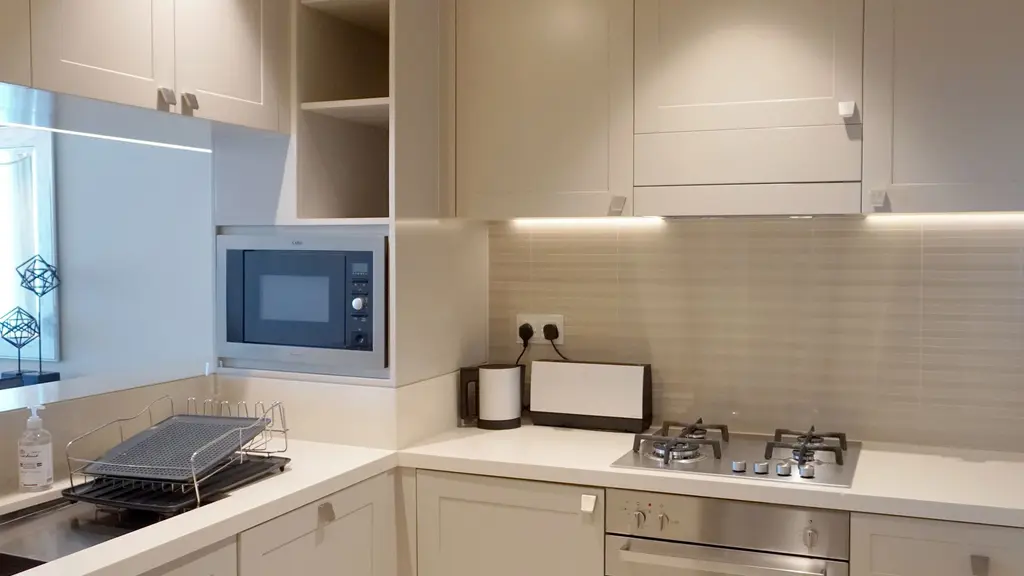
The fastest way to reheat rice in the microwave without drying it out is to add a splash of water or a damp paper towel on top, cover the dish loosely so a little steam can escape, and heat on medium power (roughly 50 to 70 percent) in short bursts, stirring in between. This simple routine puts back the moisture the grains lost while cooling, instead of drying the surface further, which is the real reason reheated rice turns out rubbery or hard.
The quick answer
Add a splash of water or a damp paper towel on top of the rice, cover the dish loosely so some steam can escape, and heat on medium power (50 to 70 percent) in short bursts, stirring in between. This restores moisture to the grains instead of drying them out further. Avoid full power with no water and no cover, the most common cause of dry, hardened rice.
Key takeaways
- Rice loses moisture as it cools, because the starch gradually firms up over time, so reheating it with no added moisture only dries the surface further instead of softening it (background on rice and starch from Britannica).
- A microwave heats by exciting water molecules inside food, so the more moisture available, the more even and less dry the result (how a microwave oven works, from US FDA).
- Covering the dish traps steam that re-moistens the grains, but a completely sealed cover with no vent traps excess pressure and can spatter water inside the microwave.
- Medium power with short bursts beats full power in one long run, because it gives moisture time to soak back in before the surface dries.
- Stirring between bursts spreads heat and moisture evenly, so the edges of the dish don’t stay dry while the center is still cold.
Why does reheated rice dry out?
Freshly cooked rice holds moisture inside the grains, but that moisture gradually evaporates as the dish cools and sits in the fridge. Reheat it with no added moisture, and microwave energy quickly heats whatever water is left inside the grains, which evaporates too, leaving the rice dry at the edges or fully rubbery if it runs too long on high power. The problem isn’t the microwave itself, it’s the lack of moisture at the moment of reheating.
The right way to reheat rice without drying it out
- Put the rice in a microwave-safe dish.
- Add a splash of water (roughly one to two tablespoons per cup of rice) or lay a damp paper towel directly over the dish if you don’t have a dedicated cover.
- Cover the dish loosely so some steam can escape, whether with a microwave-safe lid or plastic wrap with a small vent.
- Choose medium power instead of full power, usually between 50 and 70 percent.
- Heat in short bursts (one minute at a time) and stir between each one to spread the heat and moisture evenly.
- Let the dish rest for a minute before serving, so heat and moisture finish distributing through the grains.
Table: reheating methods and their results
| Method | Result | Note |
|---|---|---|
| Full power, no water, no cover | Dry and hardened at the edges | Fastest, worst result |
| Water or damp towel + loose cover + medium power + stirring | Moist and even | Recommended method |
| Fully sealed cover with no vent | Excess steam, can spatter water inside | Always leave a small vent |
| Damp paper towel only, no cover | Good alternative result | Practical if you have no dedicated cover |
A practical add-on for this step
For anyone who’d rather not fuss with a damp towel or an improvised cover every time, a dedicated vented microwave cover (sometimes called a vented steam cover) is designed to trap steam around the dish while releasing excess pressure automatically. It saves you the step of adjusting a regular lid or dampening a towel each time, and it’s an inexpensive, practical add-on if you reheat rice or similar dishes often.
A microwave that helps you reheat evenly from the start
Even reheating depends on the method, but also on the appliance itself. A practical example from our shortlist: the Toshiba MW3-AG20PE 3-in-1 20L Grill Microwave, the most reviewed microwave in this category with thousands of positive reviews on Amazon.sa, which is why it tops our guide to the best microwave in Saudi Arabia. You’ll find its current price and the Amazon.sa link in the card below.
The bottom line
Reheating rice without drying it out comes down to three simple things: added moisture, a loose cover, and medium power with short bursts and stirring in between. Avoid full power with no water, the most common cause of dry or rubbery rice. If rice ever spills during reheating and leaves marks inside the microwave, our guide on how to clean a microwave covers the easiest way to deal with it. If you’re still torn between a solo microwave and one with a grill, read solo vs grill microwave, and for the full buying criteria see our guide on how to choose a microwave. For everything in this category in one place, browse our microwaves section.
Sources
- Britannica, “Rice”, background on rice and its starch and moisture content: https://www.britannica.com/plant/rice
- US FDA, “Microwave ovens”, how a microwave heats food through water molecules: https://www.fda.gov/radiation-emitting-products/resources-you-radiation-emitting-products/microwave-ovens
This analysis is based on published information from Britannica (Rice), US FDA (Microwave ovens).
Frequently asked questions
How do I reheat rice in the microwave without drying it out?
Add a splash of water or a damp paper towel on top of the rice, cover the dish loosely so some steam can escape, and heat on medium power between 50 and 70 percent in short bursts, stirring in between. This restores moisture to the grains instead of drying them out further.
Should I add water to rice before microwaving it?
Yes, in most cases. Rice loses moisture as it cools and sits in storage, so reheating it with no added moisture dries the surface further. Roughly one to two tablespoons of water per cup of rice is enough to restore moisture before reheating.
What's the best microwave power level for reheating rice?
Medium power, between 50 and 70 percent of the microwave's full power, works better than full power, because it gives moisture time to soak into the grains before the surface dries out. Heat in short bursts and stir in between for the best result.
Do I need to cover rice when reheating it in the microwave?
Yes, but loosely rather than completely sealed. The cover traps steam that re-moistens the grains, while a small vent prevents excess pressure from building up and spattering water inside the microwave.
Why does reheated rice turn out rubbery?
Rice usually turns rubbery or hard from being microwaved on full power for too long with no added moisture, which dries out the starch quickly instead of re-moistening it. Reheating on medium power with added moisture and short bursts prevents this.