
 Egypt
Egypt  UAE
UAE  USA
USA Steam Iron vs Dry Iron: Which One Should You Buy?
We may earn a commission from purchases through our links, at no extra cost to you. How we choose · Disclosure.
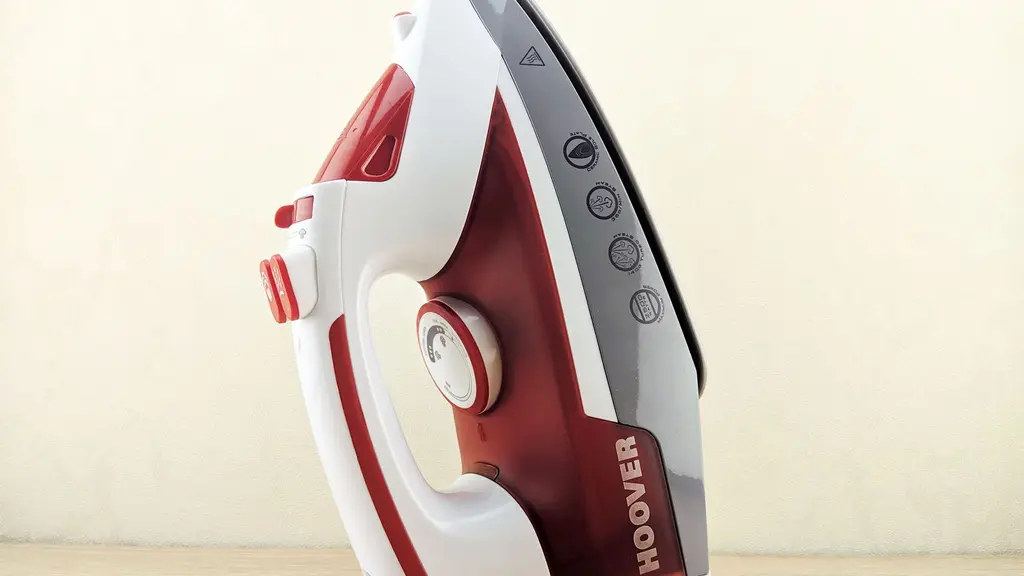
The difference between a steam iron and a dry iron comes down to one thing: continuous steam. A dry iron relies on heat and pressure from a hot soleplate alone, while a steam iron adds a water tank that turns into continuous steam and relaxes fibers from the inside, getting through heavy cotton and thobes faster with fewer passes. The price gap is usually small, which is why most households are better off with a steam iron. Full details below, and for the complete pick see the best steam iron in Saudi Arabia.
Quick answer
A steam iron is worth the price difference for most households, because continuous steam presses heavy cotton and thobes faster and with less effort than a dry iron relying on heat and pressure alone. A dry iron stays a reasonable choice only for light, occasional ironing on thinner fabric that doesn’t need deep wrinkles pressed out, or for a very tight budget. For most regular household ironing, the small price gap buys real time and effort saved.
Key points
- A dry iron relies on heat and pressure alone, with no internal water tank to generate continuous steam (general background on how an iron and steam work, Britannica).
- A steam iron adds continuous steam from the soleplate that penetrates the fibers from the inside, cutting down the number of passes needed to press out wrinkles.
- Heavy cotton and thobes benefit the most from continuous steam, since thick fibers need a real speed advantage rather than just higher heat.
- A dry iron requires extra manual dampening (a spray bottle or ironing damp fabric) to get close to a steam iron’s result.
- The price gap between the two types is usually small, since a well-rounded steam iron like the Russell Hobbs Light & Easy doesn’t cost much more than a good dry iron.
What’s actually different about how each one works
A dry iron is simple by design: a metal soleplate heated by an internal element, and you press it against fabric to relax wrinkles with heat and pressure alone, with no water tank or internal steam system at all. If you need steam, you have to mist the fabric by hand with a separate spray bottle or iron it while still damp right after washing.
A steam iron adds a full layer on top of that base: an internal water tank that the heating element converts into continuous steam, released through small vents in the soleplate as you iron. That steam penetrates the fibers from the inside before the hot soleplate even touches them, making it easier to press out wrinkles with less hand pressure and fewer passes over the same area. This exact difference is what makes a steam iron genuinely faster on thick fabric, not just a marketing add-on.
When a dry iron is enough
A dry iron stays a reasonable choice in specific cases: light, occasional ironing for a handful of pieces a week, thinner or synthetic-blend fabric that doesn’t need deep wrinkles pressed out in the first place, or a very tight budget where any price gap matters. If most of your laundry is light shirts or clothes that don’t wrinkle much, a good dry iron gets the job done without paying for steam you won’t actually use.
When a steam iron is worth the price difference
A steam iron clearly earns its price difference if your laundry includes thobes, heavy cotton, or household linens that need genuine wrinkles pressed out, or if you iron regularly more than once a week and want to cut the time and effort per session. Continuous steam means fewer passes for the same result, and that adds up to real time saved over the weeks. If you also need to smooth hanging garments without direct ironing, see steam iron vs garment steamer for another comparison.
Quick comparison
| Factor | Dry iron | Steam iron |
|---|---|---|
| Source of wrinkle removal | Heat and pressure only | Heat, pressure, and continuous steam |
| Speed on heavy cotton and thobes | Slower, more passes | Faster, fewer passes |
| Need for manual dampening | Yes, spray or damp fabric | No, steam is built in |
| Approximate price | Usually a bit lower | Usually a small price gap |
| Best for | Light, occasional ironing, thinner fabric | Thobes, heavy cotton, regular ironing |
The simple rule: light, occasional ironing on fabric that doesn’t wrinkle much, a dry iron is enough. Regular ironing of thobes or heavy cotton, a steam iron is worth the price difference. If you want the full buying criteria behind this one trade-off, the guide on how to choose a steam iron walks through wattage and build comfort too.
So which one should you actually buy?
For most Saudi homes ironing thobes, shirts, and household linens regularly, start with a reliable steam iron, the difference in speed and effort is real, not a minor detail. A practical example that balances comfort and price: the Russell Hobbs Light & Easy Steam Iron, a light, easy-to-handle build backed by hundreds of positive reviews on Amazon.sa. We didn’t pick it because it’s the most powerful iron on the market, we picked it because it’s a genuinely well-rounded steam iron at a fair price, which is what earns it the top spot in our guide to the best steam iron in Saudi Arabia. You’ll find its current price and the Amazon.sa link in the card below.
See the Russell Hobbs Light & Easy Steam Iron price on Amazon.sa ↗
Bottom line
The difference between a steam iron and a dry iron is continuous steam: a dry iron relies on heat and pressure alone, while a steam iron adds steam that penetrates the fibers from the inside, getting through heavy cotton and thobes faster with less effort. The price gap is usually small, so most households are better off paying it. If you need a step-by-step technique for ironing a thobe, see how to iron a thobe at home, and for the cheapest reliable option see the cheapest steam iron worth buying. For everything in this category in one place, browse our steam irons section.
Sources
- Britannica, “Iron pressing”, general background on how an iron and steam work: https://www.britannica.com/technology/iron-pressing
This analysis is based on published information from Britannica (Iron pressing).
Frequently asked questions
Is a steam iron worth the price difference over a dry iron?
For most households in Saudi Arabia, yes. A steam iron gets through heavy cotton and thobes faster with less effort, because continuous steam relaxes the fibers from the inside instead of relying on heat and pressure alone. The price gap is usually small, and a well-rounded steam iron like the Russell Hobbs Light & Easy doesn't cost much more than a good dry iron.
Can you use a dry iron without dampening fabric by hand?
You can, but the result is slower and less consistent. A dry iron relies on soleplate heat alone, so if the fabric is fully dry you'll need to mist it with a separate spray bottle or iron it while still slightly damp right after washing, otherwise you'll need more passes to press out wrinkles.
What's the actual mechanical difference between a steam iron and a dry iron?
A dry iron relies purely on direct heat and pressure from a hot metal soleplate, with no internal water tank. A steam iron adds a water tank that the heating element converts into continuous steam released through vents in the soleplate, and that steam penetrates the fibers from the inside, making it easier to press out wrinkles with less pressure and fewer passes.
Which type is better for ironing a thobe or heavy cotton?
A steam iron is clearly the better fit for thobes, heavy cotton, and household linens, because continuous steam relaxes thick fibers faster and cuts down on repeated passes. A dry iron stays fine for light, occasional ironing on thinner fabric that doesn't need deep wrinkles pressed out.