
 Egypt
Egypt  UAE
UAE  USA
USA Why Does a Fan Smell and How Do I Get Rid of It?
We may earn a commission from purchases through our links, at no extra cost to you. How we choose · Disclosure.
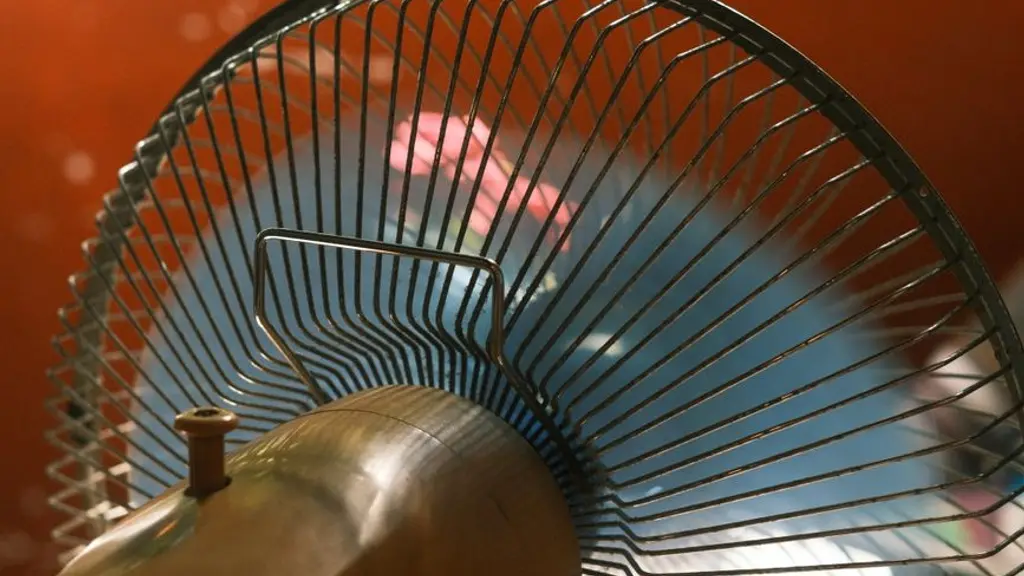
A musty or damp smell coming from a fan is usually caused by dust buildup on the blades and inside the grille mixing with moisture in the air, especially if the fan was stored somewhere damp or hasn’t run in a while, and it clears up with a thorough clean and proper drying. A burning smell or faint smoke, on the other hand, is a completely different symptom tied to motor overheating or an internal electrical issue, and it means stopping use immediately rather than cleaning more thoroughly. Telling these two apart is the first step before doing anything else.
The quick answer
A musty or damp smell from a fan comes from trapped dust and moisture, and it clears up with a thorough clean and drying of the blades and grille. A burning or smoke smell is a completely different issue in the motor or electrical insulation, and it means stopping use immediately and unplugging the fan, not trying to clean it. The difference is clear: a faint dust-like smell versus smoke, an unusual sound, or noticeable heat on the body.
Key takeaways
- The blades and grille trap fine dust with every use, and if that dust mixes with humidity in the room or in the fan’s storage spot, gradual breakdown begins that produces a musty smell (mold background from US EPA).
- A burning smell or faint smoke from the motor is a completely different symptom, usually tied to overheating in the motor windings or damage to the internal electrical insulation (electric motor background from Britannica).
- Storing a fan for a long time with dust left on it from previous use is a common cause of a smell when you run it again, and it often clears within a few minutes if it’s mild.
- The key difference between the two cases is accompanying signs: a normal dusty smell is faint and stands alone, while a motor smell comes with smoke, an unusual sound, or noticeable heat on the fan body.
- A motor smell means stopping use right away, not attempting to clean it or waiting for it to go away on its own.
Where a musty or damp smell actually comes from
A fan pushes large volumes of air through fast-spinning blades surrounded by a protective grille, and that air carries fine dust that gradually settles on the blade surface and inside the grille openings. If that dust combines with moisture, whether from the room’s own humidity or from wherever the fan sat unused for months, the damp environment on fine organic residue (dust, hair, skin particles) lets bacteria and microscopic mold begin to grow, and that gradual breakdown is the source of the musty or damp smell, not a manufacturing fault in the fan itself.
When the smell is a motor problem, not a cleaning issue
A burning smell or even faint smoke is a completely different symptom from a normal dusty smell. This kind of smell is usually tied to overheating in the motor’s internal windings, which can result from poor internal ventilation, heavy dust buildup blocking normal cooling, or worn internal wire insulation as the unit ages. The key distinction: a normal dusty smell is faint and stands alone with no other symptoms, while a motor smell usually comes with visible smoke, an unusual humming or grinding sound while running, or noticeable heat on the fan body after only a short run.
Dusty smell versus motor smell: how to tell them apart
| Symptom | Most likely cause | Appropriate step |
|---|---|---|
| Faint musty smell the first time you run it after storage | Dust and moisture built up during a period of non-use | Clean the blades and grille thoroughly and dry them well |
| Persistent damp smell despite regular use | Dust buildup combined with the room’s own humidity | Deeper clean of the blades and tight vents, plus ventilating the room |
| Burning smell or smoke with an unusual sound | Overheating or damage in the motor or electrical insulation | Stop running it immediately and unplug it, not just cleaning |
Steps to remove a musty or damp smell
Follow these steps if the smell is faint and musty or damp, with no smoke or unusual sound:
- Unplug the fan before any cleaning step.
- Clean the blades and front grille thoroughly, as covered in detail in how to clean a fan at home, since the dust buildup there is the main source of the smell.
- Dry every part completely before reassembling, since leftover moisture is what lets the smell come back quickly.
- Run the fan in a well-ventilated room for a few minutes first after cleaning, since any faint remaining smell from leftover dust usually clears fast.
- Store the fan somewhere dry going forward if you only use it seasonally, since moisture during storage is the most common cause of a smell returning when you run it again.
When to stop using it immediately
If the smell comes with visible smoke, an unusual humming or grinding sound, or noticeable heat on the fan body, stop running it immediately and unplug it. Don’t try to clean it or run it again hoping the smell will go away, since these signs point to an internal issue in the motor or electrical insulation that needs an actual inspection of the unit, not another cleaning step.
A tool that helps reach the motor’s vent openings
Dust that builds up inside the motor’s small vent openings near the base of the fan is hard to reach with a regular brush or cloth without taking the fan body apart. A can of compressed air reaches these tight openings far more effectively, blowing trapped dust out without needing to open up the fan body, and it’s a practical tool for periodic preventive maintenance that reduces the odds of dust building up around the motor in the first place.
A fan whose design reduces this risk
When choosing a new fan, how the motor is ventilated and how easy the blades are to reach at cleaning time make a real difference in how often this smell problem comes back. A practical example from our shortlist: the DREO Quiet Tower Fan (DC Motor), with its quiet motor and compact housing, keeps ventilation solid without needing complicated maintenance, which is part of why it tops our guide to the best fan in Saudi Arabia. We didn’t pick it because it never develops a smell, we picked it because its quiet design and easy routine cleaning reduce the odds of this area being neglected. You’ll find its current price and the Amazon.sa link in the card below.
Bottom line
A musty or damp smell from a fan is, in the vast majority of cases, caused by trapped dust and moisture, and it clears up with a thorough clean and drying of the blades and grille. A burning or smoke smell is a completely different issue tied to the motor, and it means stopping use immediately, not cleaning it. To prevent the smell from the start, check how to clean a fan at home and follow its steps regularly. And if you’re still shopping for a fan in the first place, browse our guide to choosing a fan or fan prices in Saudi Arabia.
For everything in this category in one place, browse our fans section.
Sources
- Britannica, “Electric motor”, background on the electric motor and the causes of excessive overheating: https://www.britannica.com/technology/electric-motor
- US EPA, “Mold, moisture and your home”, background on mold and how it grows in damp environments on organic residue: https://www.epa.gov/mold/brief-guide-mold-moisture-and-your-home
This analysis is based on published information from Britannica (Electric motor), US EPA (Mold, moisture and your home).
Frequently asked questions
Why does my fan smell musty or damp when I turn it on?
The almost certain cause is dust buildup on the blades and inside the grille mixing with moisture in the air, especially if the fan was stored somewhere damp or hasn't been used in a while. The fix is a thorough clean of the blades and grille and drying them fully before running it, not spraying an air freshener that masks the smell without removing its cause.
Is a burning or smoke smell from a fan dangerous?
Yes, and it's a completely different symptom from a normal dusty smell. A burning smell or faint smoke usually points to overheating in the motor or a fault in the internal electrical insulation. Stop running it immediately, unplug it, and don't turn it back on until it's been inspected or replaced, since this isn't something cleaning fixes.
Does storing a fan for a long time cause a smell when I turn it back on?
Yes, this is quite common. Dust that built up on the blades before storage mixes with any moisture in the storage spot, and when you run the fan again after months, a small amount of that dust burns off on the warm blade surface, causing a faint smell that usually clears within a few minutes. If the smell continues, the fan needs a thorough clean before regular use.
How do I tell a normal dusty smell apart from one that needs attention?
A normal dusty smell is faint, smells like dust or dampness, and comes with no other symptoms. A smell that needs attention comes with visible smoke, an unusual humming or grinding sound from the motor, or noticeable heat on the fan body when you touch it. Any of these means stop using it, not just clean it.