
 Egypt
Egypt  UAE
UAE  Saudi Arabia
 Common Blender Buying Mistakes to Avoid
We may earn a commission from purchases through our links, at no extra cost to you. How we choose · Disclosure.
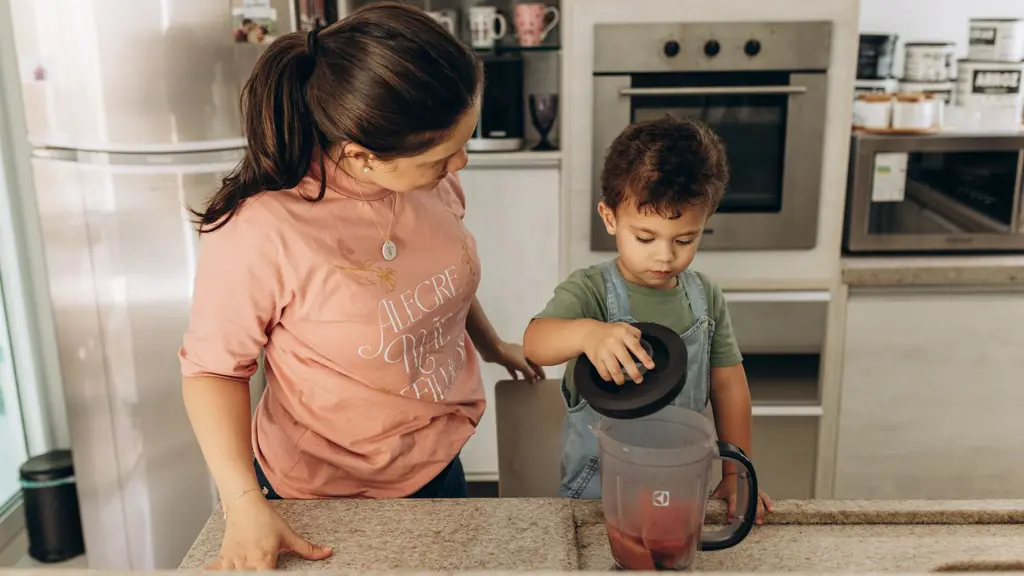
The most common blender buying mistake is chasing the highest wattage number instead of matching the format and jar size to how you actually cook. Close behind: ignoring ice-crushing needs, buying the wrong jar size for the household, and skipping cleaning and storage until after the purchase. Fix these and most buyer’s regret disappears before you even unbox the blender.
The quick answer
The biggest blender buying mistakes are chasing wattage instead of real capability, picking the wrong format for your household, ignoring ice-crushing needs if you actually want them, and skipping cleaning and storage until after the purchase. Match the blender to how you actually cook, not the spec sheet, and most of these mistakes go away.
Key takeaways
- Wattage alone does not decide blending performance (blender definition from Britannica); blade design and motor tuning matter just as much.
- The wrong format wastes money in both directions: a personal blender under-serves a family, and a full jug blender is overkill for one person.
- Skipping ice-crushing needs upfront means discovering the hard way that a basic blender stalls on frozen fruit.
- Jar size should match your household, not the biggest number available, since an oversized jar just takes up counter space.
- Cleaning and storage decide whether a blender gets used daily or ends up pushed to the back of a cabinet.
Mistake 1: Chasing the wattage number
Wattage measures how much electricity a motor draws, not how well it actually blends. A high number looks impressive on a listing, but blade design, jar shape, and whether the motor is tuned for ice crushing decide real-world performance just as much. Before comparing watts across models, check what the listing says the blender is actually built for.
Mistake 2: Picking the wrong format for your household
A countertop blender, a personal blender, and a high-power blender solve different problems. Buying a personal blender for a family of four means constant refilling and reblending, while buying a full-size jug blender for one person leaves most of its capacity unused every time. Decide who you are actually blending for before you compare specific models.
Mistake 3: Ignoring ice-crushing needs
If frozen drinks or crushed ice are a regular part of your routine, a basic blender not built for it will stall, dull its blade fast, or leave chunks behind. This is one of the fastest ways to end up disappointed with an otherwise fine-looking blender. If ice is a daily habit, say so upfront and shop for a model marketed specifically around it.
Mistake 4: Buying a jar too small, or too big
An undersized jar means blending in multiple batches for a family meal or a big smoothie order. An oversized jar takes up counter space you didn’t need to give up and can be awkward to clean for small portions. Size the jar to how many people you are actually blending for, not the largest capacity on the shelf.
Mistake 5: Skipping cleaning and storage until after the purchase
A blender that is a hassle to disassemble and wash tends to get used less over time, no matter how capable its motor is. Check whether parts are dishwasher-safe and how much counter or cabinet space the unit needs before you buy, not after it’s already sitting in your kitchen.
Mistake vs fix, side by side
| Mistake | Why it backfires | The fix |
|---|---|---|
| Chasing wattage alone | Watts measure electricity draw, not blending performance | Check what the motor and blade are actually built for |
| Wrong format for your household | A personal blender under-serves a family; a full jug is overkill for one | Match format to who you are actually blending for |
| Ignoring ice-crushing needs | Basic blenders stall or dull fast on daily ice and frozen fruit | Pick a model marketed specifically for ice crushing if needed |
| Wrong jar size | Too small means batching; too big wastes counter space | Size the jar to your household, not the biggest number |
| Skipping cleaning and storage | A blender that’s a hassle to clean gets used less | Check for dishwasher-safe parts and footprint before buying |
A blender that avoids most of these by design
If you want a shortcut past these five mistakes, look for a countertop blender with a proven track record across ordinary daily use: real ice-crushing programs, a jar sized for a household rather than a single serving, and parts that are easy to rinse. Practical example: the Ninja Professional Plus Blender with Auto-iQ covers smoothies, crushed ice, and sauces with Auto-iQ presets, in a footprint that fits most kitchen counters, which is why it tops our guide to the best blender in the USA. You’ll find its current price and the Amazon link in the card below.
The bottom line
Most blender buyer’s regret traces back to five avoidable mistakes: chasing wattage, picking the wrong format, ignoring ice-crushing needs, sizing the jar wrong, and skipping cleaning and storage until it’s too late. Check each one against your actual routine before you buy. If you’re also unsure whether a cheaper model would even do the job, read is a cheap blender good enough, see current blender prices in the USA, or work through the full guide to choosing a blender. Browse more picks on the blenders hub.
Sources
- Britannica, “Blender”, definition of the blender and the mechanics of how a spinning blade purees ingredients: https://www.britannica.com/dictionary/blender
This analysis is based on published information from Britannica (Blender).
Frequently asked questions
What is the most common mistake people make when buying a blender?
Chasing the highest wattage number instead of checking what the motor and blade are actually built for. A high wattage figure does not guarantee good ice crushing or a durable blade, so buyers who shop by watts alone often end up with a blender that is loud, underpowered for their real needs, or both.
Does higher wattage always mean a better blender?
No. Wattage measures electricity draw, not blending performance on the ingredients in front of you. Blade design, jar shape, and whether the motor is tuned for ice crushing matter just as much. A well-designed lower-watt model can outperform a poorly matched higher-watt one on the exact job you need.
How do I know what size blender I need?
Match the jar or cup size to how many people you actually blend for, not the largest capacity on the shelf. A personal cup format suits one or two people well, while a family that blends together needs a full-size jar so you are not reblending in batches every time.
Should I buy the cheapest blender or spend more upfront?
It depends on how you'll use it. If your blending stays light and occasional, a budget model avoids buyer's regret from overspending. If ice crushing, frozen fruit, or daily heavy use are part of your routine, spending a bit more upfront usually prevents an early replacement.