
 Egypt
Egypt  UAE
UAE  Saudi Arabia
 Is a Cheap Blender Good Enough? What to Check First
We may earn a commission from purchases through our links, at no extra cost to you. How we choose · Disclosure.
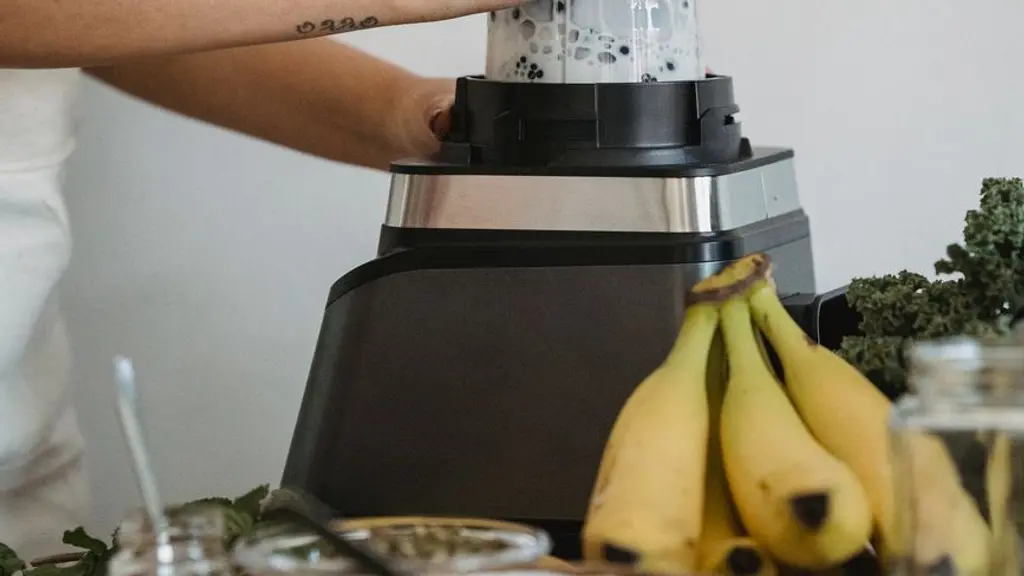
A cheap blender is good enough if you only need light, daily smoothies with soft fruit and a splash of liquid. It starts to fall short the moment you add daily ice crushing, frozen fruit, or tough greens, since that is where a thin motor and a weaker blade give out first. The honest answer depends on what you actually blend, not the price tag on the box.
The quick answer
A cheap blender, roughly $30 to $80, is good enough for basic daily smoothies made with soft fruit, yogurt, or milk, but it is not built for daily ice crushing, frozen fruit, or tough greens. Once ice or frozen ingredients become a regular habit, a slightly stronger motor in the $80 to $250 range earns its price back in fewer stalls, less noise, and a blade that survives daily use.
Key takeaways
- Cheap blenders cut motor strength and blade durability first, not basic blending ability, so light use is where they hold up best.
- A blender purees ingredients with a fast-spinning blade (blender definition from Britannica), and a thinner motor simply has less power behind that blade.
- Ice crushing and frozen fruit are the two jobs that expose a weak motor fastest, since they demand sustained torque, not a quick pulse.
- Jar material and blade quality affect lifespan just as much as wattage, even though wattage is the number most shoppers compare first.
- Buying once in the $80 to $250 mid tier is often cheaper over 2 to 3 years than replacing a $30 blender every few months.
What “cheap” usually cuts first
A budget blender is not simply a smaller version of a mid-tier model. The corners get cut in a specific order: motor strength drops first, since a weaker motor is the cheapest part to downgrade. Blade design comes next, often thinner metal with fewer angled edges, which dulls faster against ice or fibrous produce. Program presets disappear too, so you are left dialing in your own speed and timing. Jar material can also be a thinner plastic rather than a more durable Tritan-style build. None of this makes a cheap blender useless, it just narrows what it is realistically built to do well.
When a budget blender is genuinely enough
If your routine is soft fruit, yogurt, milk, and the occasional smoothie a few times a week, a budget blender covers that job fine and there is little reason to pay more. It also makes sense as a second blender for a dorm room, a small kitchen you rarely cook heavy meals in, or a backup unit you keep for light use only. In these cases the extra motor headroom of a pricier model just sits unused.
When it isn’t enough
Daily ice crushing, frozen fruit smoothies, hot soups, nut butters, or grinding tough vegetables push a budget motor past what it was built for. You’ll notice it first as stalling, a burning smell, or a blade that no longer pulverizes ice into fine crush. If any of these are a near-daily habit rather than an occasional treat, the budget tier is the wrong place to save money, since you’ll likely be replacing it well before a mid-tier model would need it.
Budget vs mid vs premium at a glance
| Tier | Approx. price | Handles well | Struggles with |
|---|---|---|---|
| Budget | ≈ $30 - $80 | Soft fruit smoothies, milk-based drinks, occasional use | Daily ice crushing, frozen fruit, tough greens |
| Mid | ≈ $80 - $250 | Daily smoothies, crushed ice, sauces, light meal prep | The heaviest daily grinding jobs |
| Premium | ≈ $250 - $410+ | Ice, frozen fruit, tough greens, nut butters, daily heavy use | Higher price, no real benefit for light use |
The blender that skips the guesswork
If you are not sure which side of that line you fall on, a countertop blender built specifically for everyday ice and smoothie use removes the guesswork instead of making you gamble on the cheapest option. Practical example: the Ninja Professional Plus Blender with Auto-iQ blends smoothies, crushed ice, and sauces with Auto-iQ programs, and its motor is built for daily use without the premium high-power price. We didn’t pick it for being the cheapest option, we picked it because it is the model that stops the “is this good enough” question from coming back a few months in, which is why it tops our guide to the best blender in the USA. You’ll find its current price and the Amazon link in the card below.
The bottom line
A cheap blender is good enough only if your daily use stays light: soft fruit, milk, and occasional smoothies. The moment ice, frozen fruit, or tough greens become a daily habit, spend into the $80 to $250 mid tier, since that is where the motor and blade actually hold up. Check blender prices in the USA to see the tiers side by side, and if you’re shopping for the first time, avoid the pitfalls in common blender buying mistakes. For the full breakdown of what to look for, read our guide to choosing a blender, or browse the blenders hub.
Sources
- Britannica, “Blender”, definition of the blender and how it purees ingredients with a spinning blade: https://www.britannica.com/dictionary/blender
This analysis is based on published information from Britannica (Blender).
Frequently asked questions
Will a cheap blender crush ice?
Some can handle occasional ice, but daily ice crushing is the fastest way to expose a weak motor and a dull blade in a budget blender. If crushed ice or frozen drinks are a regular habit, a model built specifically for ice crushing in the $80 to $250 range holds up far better.
How long does a cheap blender usually last?
It depends heavily on how hard you push it. A budget blender used for light, soft-fruit smoothies a few times a week can last years, while the same blender pushed to crush ice or grind daily can wear out its motor or blade within months. Match the price tier to how hard you actually use it.
What is the real difference between a $30 blender and a $97 blender?
The price gap mostly buys motor strength, blade durability, and presets that take the guesswork out of timing, not a completely different blending experience. A $30 blender purees soft ingredients fine; a $97 blender adds the headroom for ice, frozen fruit, and daily use without stalling or overheating.
Is it worth spending more on a blender?
If you only blend occasionally and stick to soft fruit or milk-based drinks, a budget blender is genuinely enough and spending more buys little you will notice. If ice, frozen fruit, or daily heavy use are part of your routine, spending into the mid tier usually pays for itself in fewer replacements and less frustration.