
 Egypt
Egypt  UAE
UAE  Saudi Arabia
 Blender Not Working? What to Check Before You Give Up
We may earn a commission from purchases through our links, at no extra cost to you. How we choose · Disclosure.
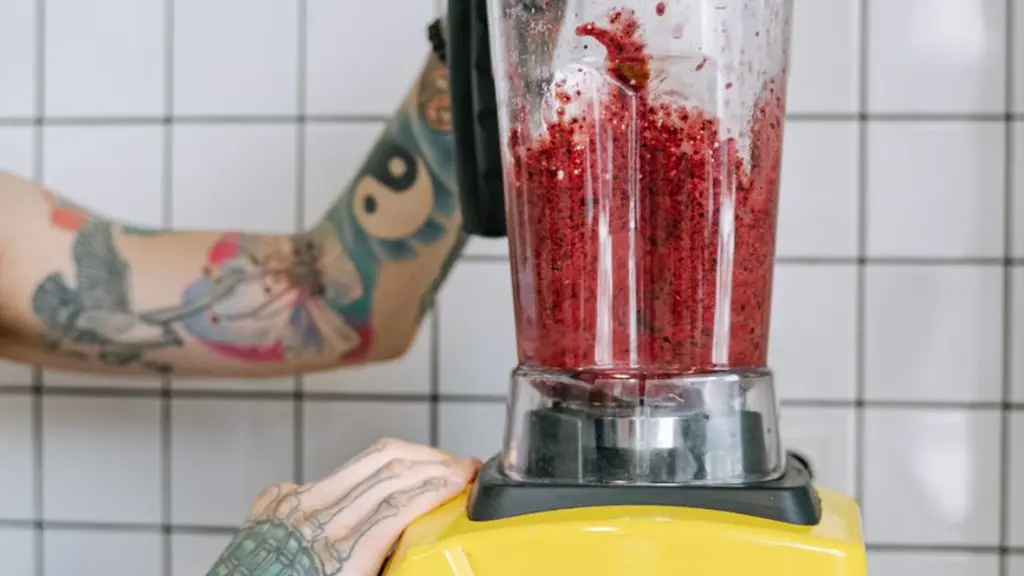
If a blender suddenly stops turning on, check the power outlet, the lid safety switch, and whether the jar is seated correctly before assuming the motor is dead. If it powers on but blends weakly or leaks, the blade or the base gasket is the more likely culprit. Most of these are quick checks, not a trip to the store.
The quick answer
Before assuming your blender is broken, check the outlet and cord, confirm the jar and lid are seated so the safety switch engages, and inspect the blade and base gasket for wear if it runs but blends poorly or leaks. Most no-power issues trace back to the safety switch, and most weak-blend or leak issues trace back to a worn blade or gasket, not the motor itself.
Key takeaways
- Most blenders have a lid safety switch that blocks the motor unless the jar and lid are fully seated, which is the single most common “won’t turn on” cause.
- A blender relies on a spinning blade to do the actual work (blender definition from Britannica), so a dulled or jammed blade shows up as weak or no blending even with a fine motor.
- Thermal overload protection can shut a blender off mid-use, and it usually needs 15 to 20 minutes to cool before it will restart.
- A worn rubber gasket around the blade assembly is the top cause of base leaks, not a cracked jar.
- Most of these fixes cost nothing or close to it, and only a genuinely dead motor usually means it’s time to replace the unit.
It won’t turn on at all
Work through these in order before assuming the motor has failed:
- Test the outlet with another appliance or a phone charger to rule out a dead outlet or tripped breaker.
- Inspect the cord for visible fraying or damage near the plug or the base.
- Remove and reseat the jar and lid completely. Most blenders have a safety interlock switch that blocks the motor unless both are locked in correctly.
- Give it time to cool if it recently ran hard. Many blenders have thermal overload protection that shuts the motor off temporarily after heavy use, and it can take 15 to 20 minutes to reset.
It turns on but does not blend, or blends weakly
If the motor runs but the blending is weak, jammed, or uneven, the problem is usually mechanical, not electrical:
- Check the blade for dullness or damage. A blade that has been run against ice repeatedly for a long time can lose its edge.
- Look for food trapped beneath the blade, which can jam the mechanism without stopping the motor entirely.
- Confirm the jar is locked fully onto the base, since the drive coupler that connects the motor to the blade needs a full, flush connection to transfer power properly.
- Avoid overloading the jar. Too much ice or frozen fruit at once can stall the blade even on a healthy motor.
It’s leaking from the base
- Check the rubber gasket or seal around the blade assembly for cracks, thinning, or gaps. This is the most common source of base leaks.
- Confirm the jar is locked on correctly. A jar that isn’t seated fully can leak even with a good gasket.
- Don’t fill past the max line. Overfilling pushes liquid up past where the seal is designed to hold it.
Symptom, likely cause, and what to check
| Symptom | Likely cause | What to check |
|---|---|---|
| Won’t turn on at all | Safety switch not engaged, or outlet/cord issue | Reseat the jar and lid fully, test the outlet, inspect the cord |
| Turns on but barely blends | Dull or jammed blade | Remove and inspect the blade for damage or trapped food |
| Runs then shuts off | Thermal overload protection | Let the motor cool for 15 to 20 minutes before running again |
| Leaking from the base | Worn or missing gasket | Check the rubber seal around the blade assembly and reseat the jar |
When it’s a quick fix, and when to consider replacing
Most blender problems are not the motor at all. A reseated jar, a cleaned-out blade, or a few minutes of cooldown solves the majority of “it’s not working” complaints. If the blade itself has genuinely dulled or the base gasket has worn out and lost its seal, a replacement blade-and-gasket kit sized to your model is usually the cheaper fix, since the motor base is often still perfectly fine. It’s only worth replacing the whole blender once the motor itself has burned out or the base no longer responds to power at all, and repairing that is rarely practical.
A blender built to avoid these failure points early
If you’re troubleshooting an aging blender and decide it’s finally time to replace it, look for a model with a simple, sturdy jar coupler and program presets that take the guesswork out of timing, since overloading and manual guesswork are exactly what wears out blades and gaskets early. Practical example: the Ninja Professional Plus Blender with Auto-iQ uses Auto-iQ programs for smoothies, crushed ice, and sauces so you’re not stalling the motor by overloading it manually, which is part of why it tops our guide to the best blender in the USA. You’ll find its current price and the Amazon link in the card below.
When to stop and call a technician
- The cord has visible fraying or damage near the plug or base.
- The blender remains unresponsive with a working outlet after the jar and lid are seated and the motor has cooled.
- The motor runs but the blade stays jammed after visible trapped food is removed.
- Liquid still leaks from the base after the gasket and jar seating are checked.
Stop using the blender and have it checked by a qualified technician before using it again.
The bottom line
Before writing off a blender as broken, work through the safety switch, the blade, and the gasket first, since those three account for most “not working” complaints, not the motor. Reseat the jar, inspect the blade, let it cool if it recently overheated, and check the seal if it’s leaking. If you’re shopping for a replacement, avoid the pitfalls in common blender buying mistakes, compare current blender prices in the USA, or work through our full guide to choosing a blender. Browse more picks on the blenders hub.
Sources
- Britannica, “Blender”, definition of the blender and the blade-and-motor mechanism behind how it blends: https://www.britannica.com/dictionary/blender
This analysis is based on published information from Britannica (Blender).
Frequently asked questions
Why did my blender suddenly stop turning on?
The most common cause is the lid safety switch, which stops the motor from running unless the jar and lid are seated correctly. Before anything else, remove and reseat the jar and lid fully, then check the outlet and cord with another appliance to rule out a power issue.
Why does my blender turn on but not blend?
This usually points to the blade or the drive coupler at the base of the jar, not the motor itself. Check the blade for dullness, damage, or trapped food underneath it, and confirm the jar is locked fully onto the base so the coupler engages properly.
Why is my blender leaking from the bottom?
A worn or missing rubber gasket around the blade assembly is the most likely cause, since that seal is what keeps liquid from escaping past the blade during blending. Check that the jar is locked on correctly and inspect the gasket for cracks, thinning, or gaps.
Should I repair or replace a blender that stopped working?
If the issue traces back to the safety switch, a jammed blade, or a worn gasket, it's usually a cheap fix rather than a reason to replace the whole unit. If the motor itself has burned out or the base has stopped responding at all, replacing the blender is typically more practical than repairing the motor.