
 Egypt
Egypt  UAE
UAE  Saudi Arabia
 How to Clean an Air Purifier the Right Way
We may earn a commission from purchases through our links, at no extra cost to you. How we choose · Disclosure.
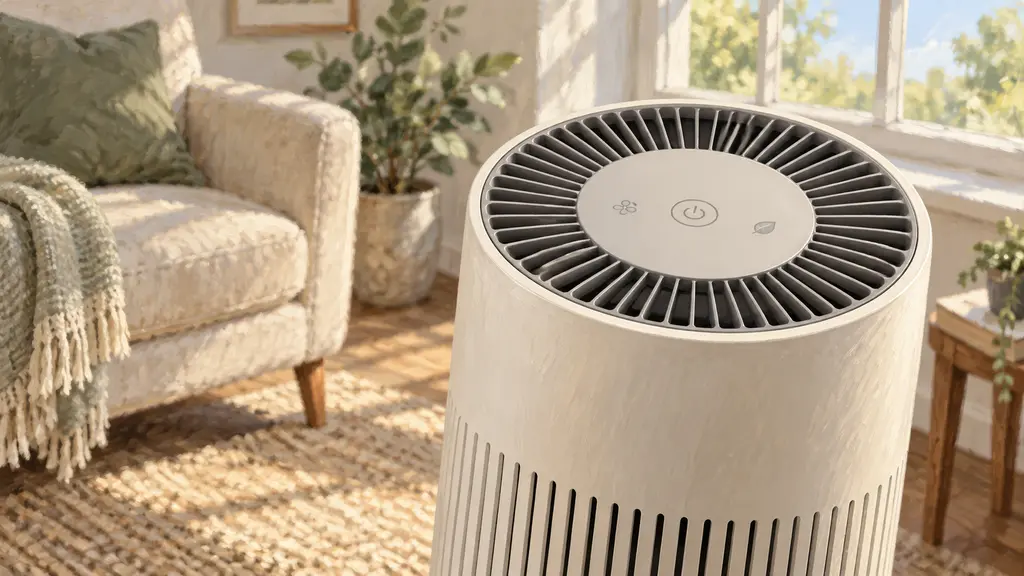
Vacuum the washable pre-filter every 2 to 4 weeks with a soft brush attachment, wipe the outer housing and vents with a barely damp cloth, and check your model’s manual before touching the true HEPA filter itself, since most true HEPA filters are replaced on a schedule rather than washed. Never submerge the unit or spray liquid cleaner directly onto a filter or into the vents.
The quick answer
Vacuum the washable pre-filter every 2 to 4 weeks with a soft brush attachment, wipe the housing and air vents with a lightly damp cloth, and check your model’s manual before you touch the true HEPA filter, since most true HEPA filters are replaced on a schedule, not washed. Never submerge the unit in water or spray cleaner directly onto the filter. A quick clean every few weeks keeps airflow strong and stops the fan from working harder than it needs to.
Key takeaways
- The pre-filter is the part you clean most often. It’s a mesh or foam layer that catches visible debris like pet hair and larger dust before it reaches the HEPA layer.
- The true HEPA filter is usually replace-only. Washing it can damage the fine fibers and permanently reduce filtration, most manufacturers explicitly say not to rinse it (HEPA definition from US EPA).
- The housing and vents get wiped, not soaked. A barely damp cloth on the outside is enough, water should never reach the motor or the electrical components inside.
- A clogged pre-filter is the most common cause of a purifier that feels weaker over time, blocked airflow makes the fan work harder and pull less air through the actual HEPA layer.
- A well-designed unit like the LEVOIT Core 200S-P keeps this simple, its pre-filter is easy to access and clean without tools, which is part of what makes routine cleaning realistic to actually stick with.
What actually needs cleaning, and what doesn’t
An air purifier has two very different layers doing two different jobs. The pre-filter sits in front and catches the coarse stuff, pet hair, larger dust, lint, so it doesn’t clog the finer layer behind it. The true HEPA filter is what actually traps the fine particulates, the dust, pollen, and smoke you can’t see. The pre-filter is designed to be cleaned regularly. The HEPA filter is designed to be replaced on a schedule, not scrubbed or rinsed, because the mesh that makes it effective is also delicate enough that washing tends to damage it.
Step-by-step: cleaning the pre-filter and housing
- Unplug the unit before you open it up. Never clean it while it’s running or still plugged in.
- Remove the pre-filter or mesh cover according to your model’s manual, most snap or slide off without tools.
- Vacuum both sides with a soft brush attachment, working into the mesh grooves and corners where dust and hair collect.
- Wipe the outer housing and vents with a cloth that’s barely damp, not wet, to pick up dust without risking moisture getting inside.
- Check if your specific pre-filter is washable in the manual. If it is, rinse it in plain water only, then let it dry completely before reinstalling, a damp filter going back in can encourage mold.
- Reassemble once everything is fully dry, and plug the unit back in.
The HEPA filter itself: replace it, don’t wash it
This is the step people get wrong most often. It’s tempting to rinse a dusty-looking HEPA filter the same way you’d clean the pre-filter, but for most models that’s the wrong move. The fine fibers that let a true HEPA filter trap tiny particles are also fragile enough that water can compress or tear them, which permanently reduces how well the filter works even after it dries. Follow the replacement interval in your manual instead of trying to extend the filter’s life by washing it.
A cleaning brush makes the routine easier to stick with
The vacuum-and-brush-attachment step above covers the actual fix, a clogged pre-filter needs its debris physically removed, and a vacuum does that thoroughly. Between full cleans, a small soft-bristle cleaning brush, the kind sold for keyboards or vents, is a handy add-on for a quick pass over the mesh grooves and corners without pulling out the vacuum every time. It’s optional, not a substitute for the deeper clean, but it lowers the friction of doing the quick weekly wipe that keeps dust from building up in the first place.
Signs your purifier needs cleaning now
- Airflow feels noticeably weaker than when the unit was new.
- The fan runs louder or has to sit on a higher speed to feel the same effect.
- You can see visible dust, hair, or lint built up on the pre-filter mesh.
- A room that used to feel fresh starts to feel stale again despite the unit running.
See the LEVOIT Core 200S-P price on Amazon ↗
When to stop and call a technician
- Airflow stays weak after the pre-filter and vents are cleaned.
- The fan remains unusually loud after visible dust, hair, and lint are removed from the pre-filter.
- The room still feels stale after the approved filter cleaning or replacement.
- Water or sprayed cleaner has reached the motor or electrical components inside the housing.
Stop using the air purifier and have it checked by a qualified technician before using it again.
Bottom line
Cleaning an air purifier comes down to two different routines: vacuum the pre-filter every 2 to 4 weeks and wipe the housing as needed, but leave the true HEPA filter alone until it’s actually due for replacement. Skipping the pre-filter step is the most common way people end up with a unit that feels like it’s lost its edge, when really it’s just clogged. If you’re still deciding whether a purifier is worth the upkeep in the first place, read is an air purifier worth it, and for how many years a well-maintained unit should realistically last, see how long does an air purifier last. For the full buying criteria, see our guide to choosing an air purifier, and if you’re still shopping, check out the best air purifier in the USA or browse air purifiers in the USA.
Sources
- US EPA, “What is a HEPA filter”, definition of high-efficiency particulate air filtration and how the filter media works: https://www.epa.gov/indoor-air-quality-iaq/what-hepa-filter
This analysis is based on published information from US EPA (What is a HEPA filter).
Frequently asked questions
How often should I clean an air purifier?
Vacuum the washable pre-filter every 2 to 4 weeks, or more often if you have pets or run the unit continuously. Wipe the outer housing and vents whenever you notice dust buildup. The true HEPA filter itself is usually replaced on a schedule rather than cleaned, check your model's manual for the exact interval.
Can I wash a HEPA filter with water?
Generally no. Most true HEPA filters are designed to be replaced, not washed, since water can damage the fine fibers and permanently reduce how well they trap particles. Check your specific model's manual, some pre-filters are washable, but the HEPA layer usually is not.
Can I just vacuum the filter instead of replacing it?
Vacuuming helps the washable pre-filter and can lightly refresh a true HEPA filter between swaps, but it doesn't fully restore a filter that's actually clogged or past its rated life. Once a filter has reached the manufacturer's replacement interval, vacuuming is a stopgap, not a substitute for swapping it.
What happens if I never clean the pre-filter?
A clogged pre-filter blocks airflow, which makes the fan work harder, run louder, and pull less air through the HEPA layer overall. Over time that means weaker filtration and more strain on the motor, so a few minutes of cleaning every few weeks protects both performance and the unit itself.