
 Egypt
Egypt  UAE
UAE  Saudi Arabia
 Is an Air Purifier Worth It? What You Actually Get
We may earn a commission from purchases through our links, at no extra cost to you. How we choose · Disclosure.
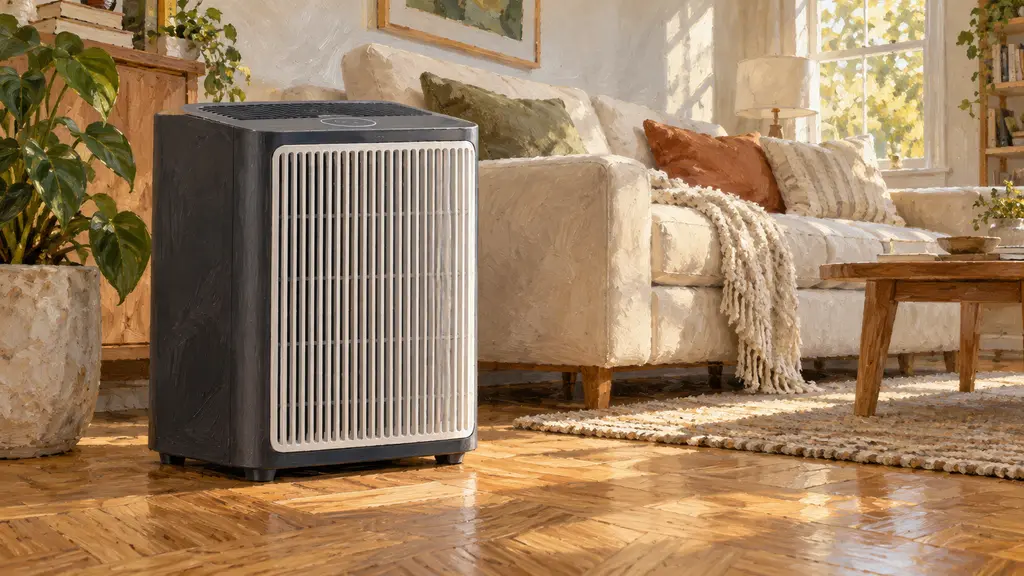
An air purifier is worth it if you deal with allergies, wildfire smoke, pet dander, or keep your windows shut most of the year, because a true HEPA filter genuinely pulls fine particulates out of the air in a way a fan cannot and a cracked window actively works against. It’s a weaker case if your indoor air already feels fine and nobody in the house reacts to dust or pollen.
The quick answer
An air purifier earns its cost when you have allergies, pets, wildfire smoke exposure, or windows that stay shut most of the year, because a true HEPA filter removes fine particulates that a fan or an open window simply cannot. It’s a weaker buy if your indoor air already feels fine and nobody in the home reacts to dust or pollen. A compact model like the LEVOIT Core 200S-P (≈ $75) covers a bedroom or small living room, so the entry cost is lower than most people assume.
Key takeaways
- A true HEPA filter is a genuinely different mechanism from a fan or an open window, it removes fine airborne particulates instead of just moving air around or letting more of them in from outside (HEPA definition from US EPA).
- The strongest case for buying one is symptom-driven: allergies, asthma, pet dander, or living somewhere with wildfire smoke or high pollen counts.
- Running cost is lower than most people assume, a compact unit draws roughly as much power as a light bulb, so the real ongoing cost is periodic filter swaps, not the electricity bill.
- Sizing decides whether it feels worth it in practice, an undersized unit in a big room always feels weak, while a well-matched compact model like the LEVOIT Core 200S-P handles a bedroom or small living room properly.
- It doesn’t replace basic cleaning. It filters the air, it doesn’t wipe shelves or vacuum the floor, we cover exactly what it does and doesn’t catch in do air purifiers help with dust.
What a purifier does that a window or a fan doesn’t
A box fan moves air around a room, it doesn’t remove anything from it. Opening a window swaps indoor air for outdoor air, which helps on a genuinely clean-air day but works against you during pollen season or a wildfire-smoke event, since you’re inviting in the exact particulates you’d want kept out. A true HEPA air purifier does something different: it pulls air through a dense filter that traps fine dust, pollen, pet dander, and smoke particulates as the air passes through, then returns cleaner air to the room. That’s the entire case for spending money on one instead of just running a fan.
When it’s worth the cost
The case is strongest if any of these apply to your household:
- You or someone in the home has allergies, asthma, or another condition that reacts to dust or pollen.
- You have pets, and pet dander is a year-round source of fine particulates.
- You live somewhere with wildfire smoke seasons or consistently high pollen counts.
- You keep windows shut most of the year, for weather, noise, or air-quality reasons, which means outdoor air isn’t naturally refreshing your indoor air.
When it might not be worth it
If your indoor air already feels clean, nobody in the house has allergy or respiratory symptoms, and you live somewhere with reliably good outdoor air quality, a purifier is a smaller upgrade than the marketing suggests. It won’t hurt, but the honest answer is that you’re paying for a marginal improvement rather than fixing a real, felt problem.
Purifier vs window vs fan
| Air purifier (true HEPA) | Open window | Box fan (no filter) | |
|---|---|---|---|
| Removes fine dust and pollen | Yes, while it runs | No, lets more in from outside | No, just circulates it |
| Helps during wildfire smoke | Yes, especially with windows shut | Makes it worse | No filtration |
| Running cost | Low, plus periodic filter swaps | Free | Low, electricity only |
| Ongoing upkeep | Filter replacement every few months | None | None |
| Best for | Allergies, pets, smoke and pollen seasons | Naturally clean-air days | Just air movement |
The pick that makes the cost worth it
If the case applies to you, size matters more than brand. A compact true-HEPA unit like the LEVOIT Core 200S-P (≈ $75) is built for a bedroom or small living room, with a simple control panel and thousands of positive reviews on Amazon.com backing up the filtration claim, and it’s the top pick in the best air purifier in the USA. It’s not rated for a large open-plan space and skips smart app control, so a bigger room needs a step-up model, but for the most common household room it’s a genuinely low-cost way to test whether a purifier makes a difference for you.
See the LEVOIT Core 200S-P price on Amazon ↗
Bottom line
An air purifier is worth it when you have a real, felt reason: allergies, pets, wildfire smoke, or windows that stay shut most of the year. It’s a smaller win if your air already feels fine and nobody reacts to dust or pollen. Either way, match the unit’s size to your actual room, since an undersized purifier in a big space will always feel like it’s falling behind. If you want the full breakdown of what it does and doesn’t catch, read do air purifiers help with dust, and if you’re weighing the downsides before buying, see is there a downside to air purifiers and how long does an air purifier last. For the full buying criteria, see our guide to choosing an air purifier, and to browse the full lineup, visit air purifiers in the USA.
Sources
- US EPA, “What is a HEPA filter”, definition of high-efficiency particulate air filtration and what it’s rated to capture: https://www.epa.gov/indoor-air-quality-iaq/what-hepa-filter
This analysis is based on published information from US EPA (What is a HEPA filter).
Frequently asked questions
Is an air purifier worth it for allergies?
Usually yes. A true HEPA filter genuinely removes the fine dust, pollen, and pet dander that trigger allergy symptoms, which is a measurable improvement over a fan or an open window. If you already have allergy symptoms indoors, this is the strongest case for buying one.
Can opening a window do the same job as an air purifier?
No, and during high-pollen or wildfire-smoke days it can make things worse, since an open window lets outdoor particulates straight in rather than filtering them out. A purifier is most useful precisely when you need to keep windows shut.
Is a cheap air purifier as good as an expensive one?
For a bedroom or small living room, a well-reviewed compact unit with a true HEPA filter does the core job just as well as a pricier model. The extra cost on premium models usually buys bigger coverage, a quieter motor, or smart app control, not better filtration at the same room size.
How much upkeep does an air purifier actually need?
The main ongoing task is replacing the filter on the schedule the manufacturer lists, typically every few months depending on use and air quality. Beyond that, a quick wipe of the housing and pre-filter keeps it running well with very little effort.