
 UAE
UAE  Saudi Arabia
  USA
USA Robot vs Cordless Vacuum: Which One Actually Fits Your Home?
We may earn a commission from purchases through our links, at no extra cost to you. How we choose · Disclosure.
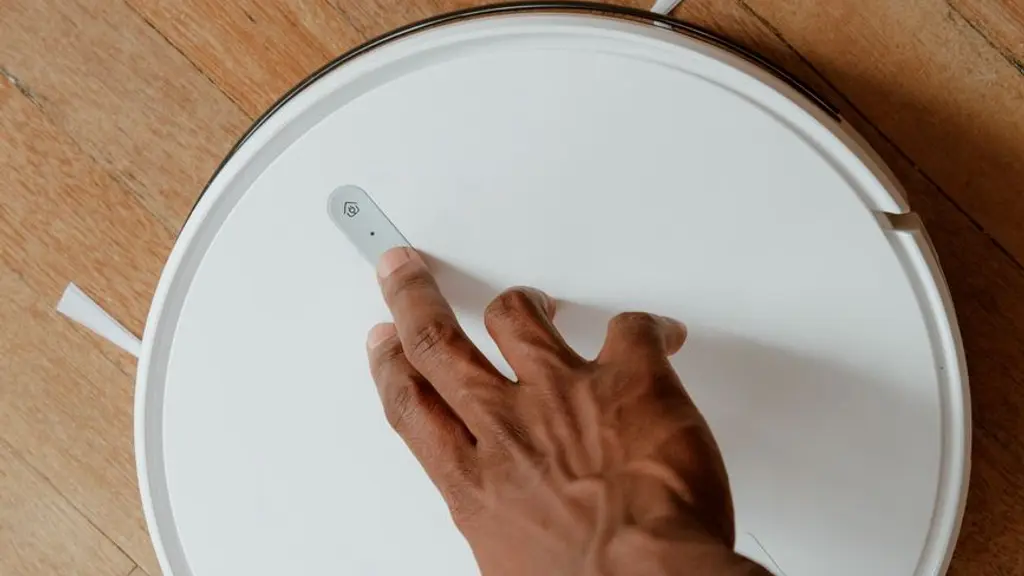
If you are stuck between a robot that cleans on its own and a light cordless stick you steer by hand, the choice is not about which one is “better.” It is about which one fits the shape of your home, your floor types, and your daily routine. They are two different categories solving two different problems, and for plenty of homes the ideal answer is to use both. Let us break the difference down sensibly and get you to the right call.
The quick answer
A robot buys you time (hands-off daily cleaning of bare floors), and a cordless gives you control and power in your hand for the places a robot cannot reach. If most of your home is bare floors and you want convenience, get a robot. If you have carpet, stairs, sofas, and a car to clean, get a cordless. And if the budget allows, the two together cover everything.
Key takeaways
- Robot = automation, cordless = control. The robot runs itself along a laser-drawn map, the cordless is aimed and steered by your hand (Robotic vacuum cleaner from Britannica).
- Suction in both is measured in Pascals (Pa) because they run on batteries, and cordless sticks usually post higher numbers because you aim them directly at the spot.
- A robot is weaker on thick carpet and cannot climb stairs, so it suits homes with bare floors (ceramic, parquet, marble) best.
- Neither a robot nor a cordless fully replaces a corded vacuum for deep whole-home cleaning, but both reduce how often you need one (overview of vacuum types from Britannica).
- If anyone at home has allergies, look for a HEPA filter in whichever type you pick, because filtration drives indoor air quality (HEPA from US EPA).
- The choice depends on your floor type, home size, and routine, not on trends or on the higher price alone.
The core difference: automation vs control
A robot vacuum is a self-contained unit that moves across the floor on its own, building a map of the home with a laser sensor (LDS) and driving in neat rows to cover the space without you touching it. That means you can schedule it to clean while you are at work and come home to clean floors. Its power is measured in Pascals because, like a cordless, it runs on a battery (robot vacuum background).
A cordless vacuum, on the other hand, is an “extended arm”: you hold and aim it at the spot, so you can concentrate suction on one corner or lift it up onto the sofa, the bookshelf, or the curtain. There is no automation, but there is flexibility and higher instant power because you control every move. The difference in one line: the robot saves your effort, and the cordless extends your reach.
Which one suits your floor type?
Floor type is the single biggest factor in this decision, bigger than price itself:
- Bare floors (ceramic, marble, parquet, vinyl): the robot shines here, gliding smoothly and picking up hair and fine dust daily with no input from you.
- Short carpet and thin rugs: the robot handles these well, just less efficiently than a smooth floor.
- Thick, high-pile carpet: this is where a robot falls short. Pascal suction is not enough to reach deep into the pile. A cordless (or better, a corded vacuum) cleans it far better.
- Stairs and steps: the robot stops at the first step. A cordless, with its light weight, is the natural answer for stairs.
- Sofas, curtains, keyboards, and inside the car: this is a cordless job thanks to its small heads. The robot never touches them.
The quick decision table
To compress all of the above into one glance:
| Your situation | Best fit | Why |
|---|---|---|
| Mostly bare floors and you want convenience | Robot | Cleans daily on its own while you are busy |
| Thick carpet, stairs, or multiple floors | Cordless (or corded) | The robot cannot reach stairs and falls short on pile |
| Quick cleaning of sofa, car, and tight corners | Cordless | Light, with heads for tight spots |
| Short on time and tired of daily cleaning | Robot | Schedule it and forget it |
| One budget and a mixed-floor average home | Cordless first | More flexible for covering every case with one device |
| Maximum convenience and the budget allows | Both together | Robot for the routine, cordless for the touch-ups |
When does a robot complement the vacuum, and when does it replace it?
This is the point that confuses many people. In most homes a robot complements rather than replaces: it keeps bare floors clean day to day, so it reduces how often you need a deep clean, but it does not reach thick carpet, stairs, or high spots. You will still need a second vacuum (cordless or corded) for thorough cleaning from time to time (background on vacuum types from Britannica).
The one case where a robot can nearly replace a vacuum: a small or medium apartment that is all bare floors, with no thick carpet and no separate levels, where the resident does not need frequent deep cleaning. Otherwise, think of it as a layer of automation on top of your main vacuum, not a substitute for it.
A practical automation example: Xiaomi Robot Vacuum S40C
If you have decided automation is your priority and your home is mostly bare floors, a practical option in the Egyptian market is the Xiaomi Robot Vacuum S40C at 5000Pa. It combines suction with mopping in one unit, and it uses LDS laser navigation to map the home so it drives in neat rows instead of bumping around randomly, plus you can schedule and control it from the app while you are out. Like any robot, it is weaker on thick carpet and needs small obstacles cleared off the floor before a run. We did not recommend it as a “replacement” for your vacuum, we recommend it because it adds a layer of daily convenience, which is why it is one of the picks in our guide to the best vacuum cleaner in Egypt. You will find its current price and the Noon link in the card below.
Choose in a minute
- Identify your floor type first: mostly bare? Lean robot. More carpet and stairs? Lean cordless.
- Ask yourself: do you need convenience and automation, or control and power in the hard-to-reach places?
- If there are allergies at home, confirm a HEPA filter, and review the HEPA filter guide.
- Do not compare Pascals on a robot with Watts on a corded model, they are different units. Understand the story in Watts vs suction power.
- If you are still torn between corded and cordless in the first place, see the corded vs cordless comparison, and browse our vacuum cleaners section.
Bottom line
There is no absolute “best” between a robot and a cordless, only the better fit for your home. A robot buys your time on bare floors, and a cordless gives you control and power for carpet, stairs, and tight spaces. If your home is mixed and you have one budget, start with a cordless for flexibility, and if convenience is the priority and the budget allows, the two together cover everything. For the full step-by-step based on your home size and floor type, head back to our guide: how to choose the right vacuum for your home.
Sources
- Britannica, “Robotics research”,” background on robot vacuums, navigation, and Pascal suction measurement: https://www.britannica.com/technology/robot-technology/Robotics-research
- Britannica, “Vacuum cleaner”,” general background on vacuum types and where each one fits: https://www.britannica.com/technology/vacuum-cleaner
- US EPA, “What is a HEPA filter”,” definition of the HEPA filter and why it matters for allergy sufferers: https://www.epa.gov/indoor-air-quality-iaq/what-hepa-filter
This analysis is based on published information from Britannica (Robotics research), Britannica (Vacuum cleaner), US EPA (What is a HEPA filter).
Frequently asked questions
Robot or cordless vacuum, which suits my home?
If most of your floors are bare (ceramic, parquet, marble) and you want daily cleaning that runs itself while you are busy, a robot is the most relaxing choice. If your home has lots of carpet, stairs, or you need to clean the sofa, the car, and tight corners fast, a cordless gives you control and higher hands-on power. For most mixed homes the best answer is to combine both: a robot for the daily routine and a cordless for quick touch-ups.
Does a robot vacuum replace a regular vacuum?
In most cases, no. A robot keeps bare floors clean day to day, but it is weaker on thick carpet and cannot reach stairs, high curtains, or inside the sofa. Treat it as a complement that reduces how often you need a deep clean, not a full replacement for a corded or cordless vacuum used for thorough cleaning.
How does suction differ between a robot and a cordless?
Both are measured in Pascals (Pa) because they run on batteries. Robots usually sit between 4000 and 8000Pa, while cordless sticks can reach 20000Pa or more because they are larger and you aim them by hand. So a cordless gives stronger instant suction on tough spots, and a robot makes up for it by cleaning consistently every day.
Does a robot work in a home with carpet and stairs?
It works on short carpet and thin rugs, but it struggles on high-pile carpet and can never climb stairs. If you have multiple floors or thick carpet, a robot will only cover the bare floors, and you will still need a cordless or corded vacuum for the carpet and the stairs.