
 UAE
UAE  Saudi Arabia
  USA
USA Dehumidifiers in Egypt
For controlling high humidity, especially in coastal cities, from small room sizes to large ones, we compare the specs, buyer reviews, and prices so you can pick the right dehumidifier.
Our current picks run from 24,999 EGP to 35,449 EGP.
Price bands in the price guide
See the full price guideReady to buy?Top picks
See the full comparison-
 Smart Compressor Dehumidifier 30L/Day (App Control) Best overall ≈ 35,449 EGP Check price on Amazon.eg
 -
 Midea (Carrier) Dehumidifier 20L/24h The premium 20L ≈ 32,000 EGP Check price on Amazon.eg
 -
 Pro Breeze 20L/Day Compressor Dehumidifier Best mid-range value ≈ 24,999 EGP Check price on Amazon.eg
Approximate prices at publication · as of August 2026.
Buying guides
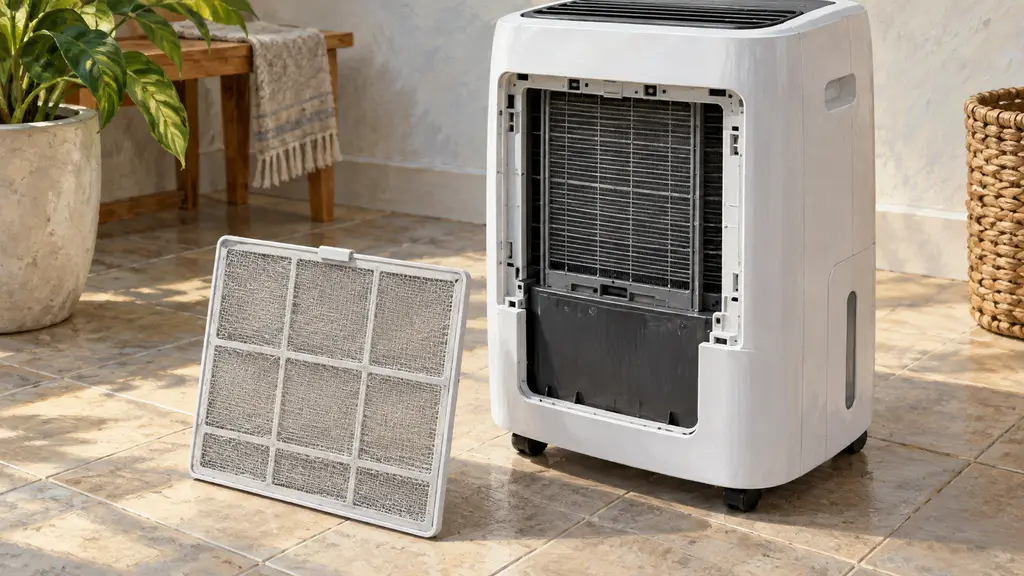 Best of The Best Dehumidifier in Egypt (2026)
 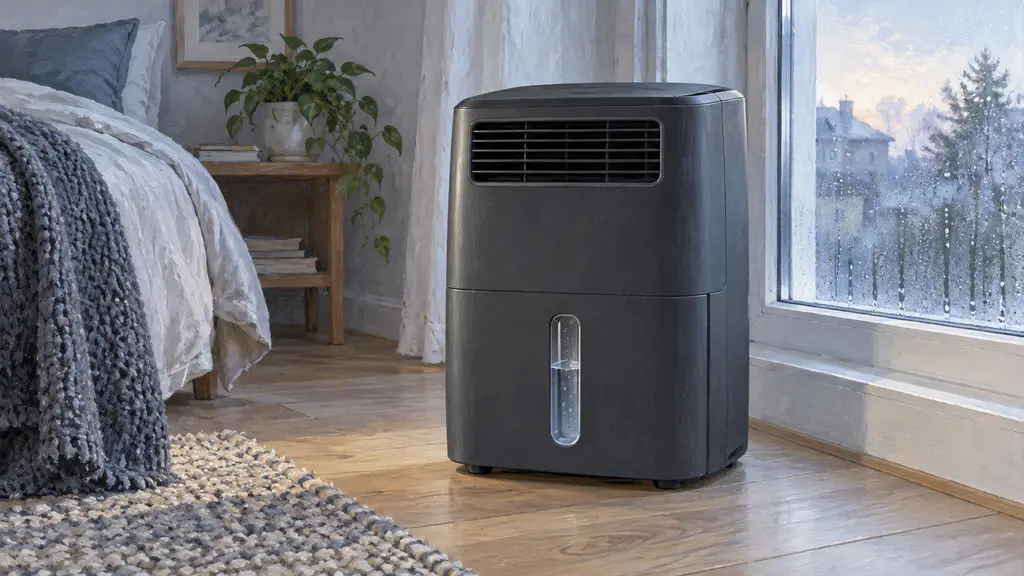 How to choose How to Choose a Dehumidifier in Egypt (2026 Guide)
 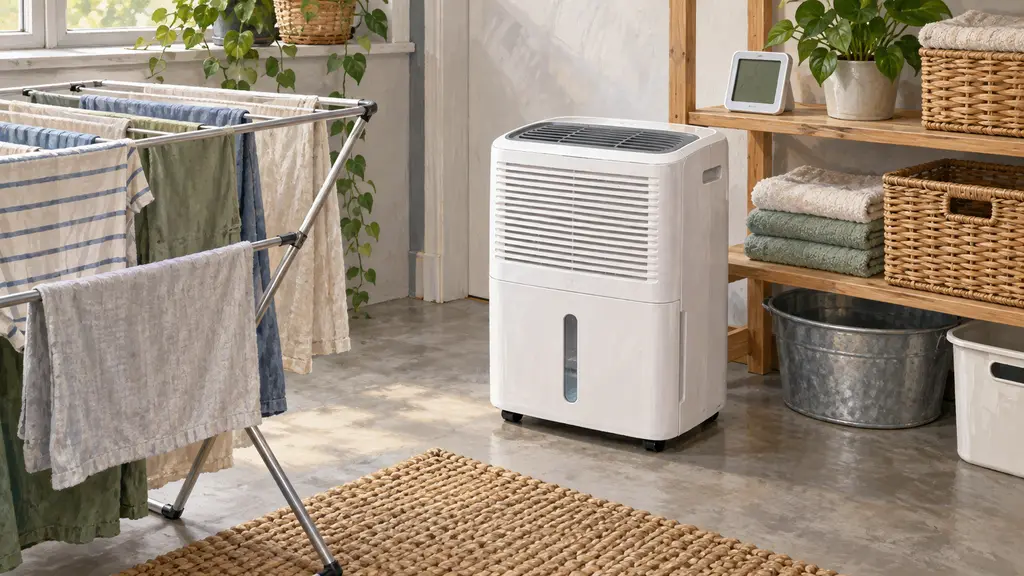 Prices Dehumidifier Prices in Egypt 2026: by Type and Tier
 Complete reading library
Buying guides and picks3
- The Best Budget Dehumidifier for the Money
A straight answer on the best budget dehumidifier for the money in Egypt: what you actually give up in the budget tier, and which two picks are worth the price.
- Is a Dehumidifier Worth It? When to Buy and When to Skip
A dehumidifier is worth it if you're dealing with recurring mold, a musty smell, or a space with no air conditioning. Here's how to weigh the cost before you buy.
- What Size Dehumidifier Do I Need for My Home?
Choosing a dehumidifier's capacity depends on the space and how humid it gets: one room or a closet needs a compact unit, a full apartment needs a larger one.
Detailed comparisons3
- AC Dry Mode vs a Dehumidifier: What's the Real Difference
Your AC's dry mode only reduces humidity as a side effect of cooling, while a dehumidifier is built for the job. Here's the real difference and when you need each one.
- Dehumidifier vs Air Purifier: The Difference and Which You Need
A dehumidifier pulls excess moisture from the air to prevent damp and mold; an air purifier filters particles and dust. Two different problems, here's which you need.
- Dehumidifier vs Humidifier: What's the Difference?
A dehumidifier pulls excess moisture out of the air, a humidifier adds moisture to dry air. Two opposite problems, and how to tell which one your home actually needs.
Care and maintenance1
- How to Clean a Dehumidifier and Stop Mold Growing Inside
A practical guide to cleaning a dehumidifier: washing the tank, cleaning the filter, wiping the coils, and when to replace the filter instead of just cleaning it.
Troubleshooting1
- Why Does a Dehumidifier Smell? And How to Fix It
A musty or chemical smell from your dehumidifier is almost always standing water or a dirty filter, not a fault. The step-by-step fix before you consider anything else.
Understanding specs1
- How Does a Dehumidifier Work? A Simple Explanation
A simple explanation of how a dehumidifier pulls moisture from room air step by step, and the difference between compressor and desiccant types.
This guide contains affiliate links: we may earn a commission when you buy through them, at no extra cost to you. Our picks are based on research, not payment. How we choose · Full disclosure.