
 UAE
UAE  Saudi Arabia
  USA
USA Corded vs Cordless Vacuum: Which Fits Your Apartment?
We may earn a commission from purchases through our links, at no extra cost to you. How we choose · Disclosure.
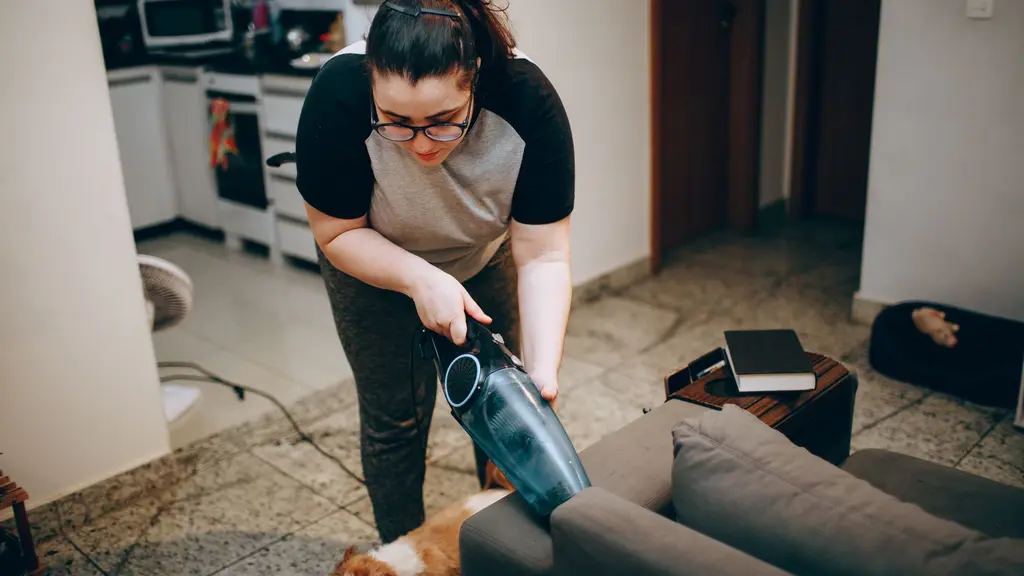
When you set out to buy a vacuum in Egypt, the first real decision you face isn’t the brand or the watts, it’s the choice between a corded and a cordless model. Each type sells you something different: corded sells you power and consistency at a lower price, while cordless sells you convenience, light weight, and speed. Let’s compare the two with numbers and real-life situations so you can work out which one fits your specific apartment.
The quick answer
A corded vacuum gives you stronger, constant suction with unlimited runtime at a lower price, while a cordless gives you light handling and convenience for quick touch-ups but with limited suction and battery life. For the average Egyptian apartment with rugs, corded is the logical base and cordless is complementary. If your home is small and mostly hard floors, a cordless alone can be enough.
Key takeaways
- A corded vacuum draws constant power straight from the wall, so it delivers steady suction throughout the clean with no time limit, which is what makes it the strongest for deep carpet cleaning (vacuum cleaner background from Britannica).
- A cordless is limited by its battery: most models run 15 to 40 minutes, that drops in high-power mode, and the battery itself weakens over the years.
- Corded suction is usually measured in Air Watts (air × pressure), the most accurate real-suction metric, while cordless models are rated in Pascals.
- If anyone in the home has allergies, both types work as long as there’s a true HEPA filter that traps 99.97% of fine particles (HEPA definition from US EPA).
- If you want hands-off daily floor cleaning, the real comparison is with a robot vacuum, a category apart from both (robotic vacuum from Britannica).
The core difference: the power source changes everything
The difference between the two isn’t just whether a cord exists, it’s a difference in the power source that everything else follows from. A corded vacuum pulls electricity straight from the socket, so the motor gets its full, steady power the whole time it runs, giving you strong, stable suction and unlimited runtime. A cordless vacuum relies on a battery, so its power is capped by the battery’s capacity, the suction can fade a little as the charge drops, and the run ends when the charge does.
The result is that corded is built first and foremost for power and endurance, while cordless is built first and foremost for convenience and light weight. Neither type is “better” in absolute terms, one is simply better suited to how you clean.
A quick comparison of the two types
| Criterion | Corded vacuum | Cordless vacuum |
|---|---|---|
| Suction power | Stronger and constant throughout | Good but can fade with the battery |
| Runtime | Unlimited (plugged in) | Usually 15 to 40 minutes by model |
| Weight and handling | Heavier, the cord limits range | Much lighter and free to move |
| Deep carpet cleaning | Best | Weaker on thick carpet |
| Quick touch-ups | Needs setup and cord unwinding | Fastest and most convenient |
| Price | Lower for the same performance | Pricier, plus a later battery cost |
| Storage | Bulkier | Slim and easy to hang |
The table makes clear this is a trade-off, not an absolute winner: you’re choosing between power, consistency, and a lower price on one hand, and lightness, speed, and convenience on the other.
Power and deep cleaning: corded wins
If your priorities are suction and deep cleaning, especially if you have rugs or wall-to-wall carpet, a corded vacuum is the logical choice. Because it’s plugged in, the motor gets its full, steady power, so it can lift the dust and hair embedded deep in the carpet fibers more efficiently. Corded suction is also usually measured in Air Watts, which combines the volume of air moved with the pressure into a single figure that describes real suction rather than just theoretical pressure.
Modern cordless models have genuinely become strong on hard floors and for daily cleaning, but on thick carpet corded stays ahead, and without the worry that the suction will fade mid-job as the battery drops.
Convenience, weight, and speed: cordless wins
On the other side, if your main concern is convenience and speed, a cordless makes a real difference. There’s no cord to unwind and re-plug between rooms, and it’s far lighter, so you can lift it to clean sofas, curtains, the tops of cupboards, and the inside of the car in seconds. For a quick clean-up after a meal or when something spills on the floor, you won’t even think about pulling out the corded one, you’ll just grab the cordless off its wall mount and be done in a minute.
This is exactly why many homes own both: a corded for the weekly deep clean and a cordless for daily touch-ups. If your budget only stretches to one, go back to the key question: do you clean rugs and large areas, or hard floors and quick touch-ups more often?
Long-term cost
The upfront price isn’t the whole story. A corded vacuum is usually cheaper for the same suction level, and it has no battery that weakens and needs replacing after two or three years. A cordless starts pricier for the same performance, and after a while it may need a new battery, which is a real cost line you should factor in from the start.
On this point corded wins long-term for most homes, especially on a tight budget. But if convenience is worth the price difference to you, a cordless becomes a sensible investment in your time and effort.
Which one fits your Egyptian apartment?
The bottom line for Egyptian apartments:
- Medium or large apartment with rugs: start with a corded vacuum as your base, and add a cordless later if you like.
- Small apartment, mostly hard floors: a cordless alone can be enough and more convenient.
- A home with allergies or pets: what matters is a true HEPA filter in whichever type you pick (HEPA from US EPA).
- Want hands-off daily cleaning of open floors: consider a robot instead of, or alongside, the two.
A practical example in the value corded category: the Philips PowerPro Compact FC9350 at 1800W with bagless PowerCyclone 5 technology, a washable H13 allergy filter, and a 2-year warranty in Egypt. It’s a corded vacuum that gives you the constant suction we talked about at an affordable price, which is why it’s one of our picks in our guide to the best vacuum cleaner in Egypt. You’ll find its current price and the Noon link in the card below.
Choose in a minute
- Decide your priority: suction and deep cleaning (corded) or convenience and quick touch-ups (cordless)?
- If there’s a lot of carpet, lean corded. If it’s hard floors and a small space, cordless is enough.
- Compare the right numbers: corded in Air Watts, cordless in Pascals, and don’t compare one against the other, see the difference between watts and suction.
- Confirm a true HEPA filter if anyone in the home has allergies, and read our HEPA filter guide.
- If you’re torn specifically between cordless and a robot, read robot vs cordless, and browse our vacuum cleaners section.
For the full step-by-step details, head back to our guide on how to choose the right vacuum for your home.
Sources
- Britannica, “Vacuum cleaner”, general background on vacuum cleaners, their power source, and types: https://www.britannica.com/technology/vacuum-cleaner
- US EPA, “What is a HEPA filter”, definition of the HEPA filter and its efficiency at trapping fine particles for allergy sufferers: https://www.epa.gov/indoor-air-quality-iaq/what-hepa-filter
- Britannica, “Robotics research”, background on robot vacuums as a category apart from corded and cordless: https://www.britannica.com/technology/robot-technology/Robotics-research
This analysis is based on published information from Britannica (Vacuum cleaner), US EPA (What is a HEPA filter), Britannica (Robotics research).
Frequently asked questions
Corded or cordless: which suits an Egyptian apartment better?
If your home is medium to large and has rugs, a corded vacuum gives you stronger, constant suction at a lower price and is your main choice. A cordless works as a second vacuum for quick touch-ups and between rooms. Most homes in Egypt find corded more practical on cost and performance as their cleaning base.
Is cordless suction weaker than corded?
Usually yes for deep carpet cleaning, because a corded vacuum draws constant power straight from the wall while a cordless is limited by its battery. But modern cordless models are strong enough for hard floors and daily touch-ups, and the gap shows up most on thick carpet.
How long does a cordless vacuum battery last?
Most models give you 15 to 40 minutes of runtime per the spec, and that drops when you switch to the high-power mode. The battery also weakens over the years and may need replacing, which is a real cost line to factor in upfront.
What are the downsides of a corded vacuum?
The biggest downside is the cord itself: it limits your range and you have to switch sockets between rooms, and corded models are usually heavier and bulkier to store than cordless. In return you get stronger, constant suction, unlimited runtime, and a lower price.