
 UAE
 Saudi Arabia
 USA
Home buying guides
Stand mixers in Egypt: types and prices
For pizza dough, bread, and desserts. Our guides compare power, capacity, and prices so you can pick the right stand mixer.
Use the guides to compare your priorities, the specifications and the limits of each choice.
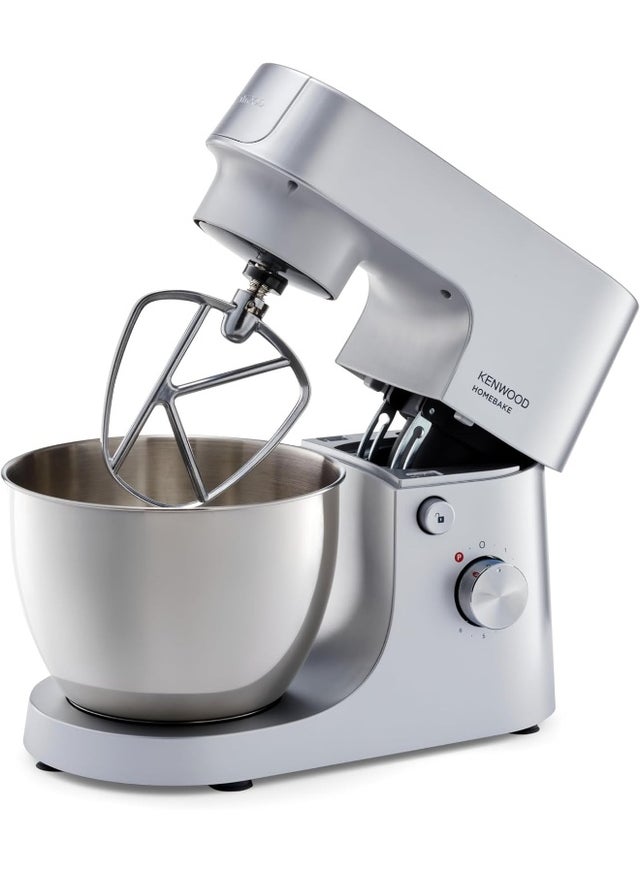
Our current picks run from 1,674 EGP to 7,597 EGP.
Start by need
Price levels in the price guide
See the full price guideReady to buy?Top picks
See the full comparisonWe may earn a commission from purchases through our links, at no extra cost to you. Full disclosure.
-
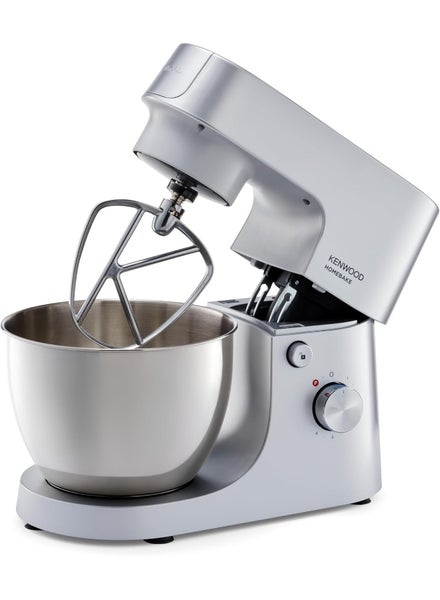 Kenwood Homebake KHH01.000SI (5L, 1400W) Best value ≈ 7,597 EGP Check price on Amazon.eg
-
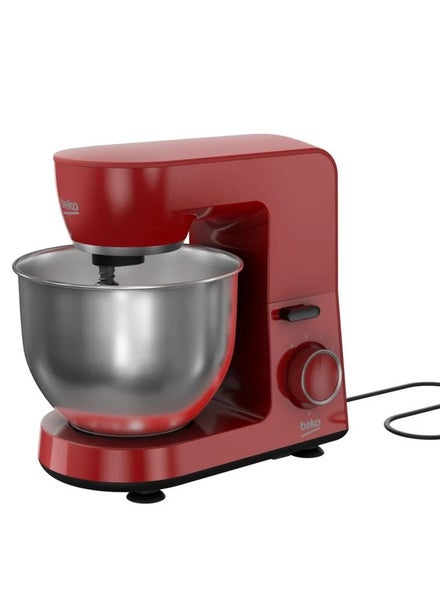 Beko MM5371 (1500W; bowl specification conflicts) Resolve bowl capacity first ≈ 7,449 EGP Check price on Amazon.eg
-
 Black & White Dough Mixer H-3500 (4L, 5 speeds) Cheapest available ≈ 1,674 EGP Check price on Amazon.eg
Approximate prices, checked in September 2026.
Still deciding?
Start with a question about your home.
Use the guides to compare your priorities, the specifications and the limits of each choice.
Guides, organised around your decision
Choose for your needs



Compare models
Plan your budget
Understand the specifications
Use, care and troubleshooting library
Complete reading library
Buying guides and picks4
- The Best Stand Mixer for a Small Apartment Kitchen
A practical guide to a stand mixer that fits a small apartment kitchen: the bowl size you actually need, weight and counter space, storage tips, and a reliable pick.
- Dough Mixer Sizes: How Many Liters Does Your Home Need?
Choose a dough mixer by bowl volume, flour and total dough limits, and your usual recipe. Understand liters versus kilograms before buying in Egypt.
- Is a Stand Mixer Really Worth Buying?
Is a stand mixer worth the price gap over a hand mixer? A straight answer based on how often you bake and what kind of dough, plus a table showing who benefits and who can save.
- Stand Mixer for a Home Baking Business: How to Choose
A stand mixer for a home baking business needs daily repeat kneading, not one batch. We map weekly order volume to bowl size and wattage, then total cost in round EGP anchors.
Detailed comparisons3
- Kenwood vs KitchenAid Stand Mixer: Which One Wins in Egypt?
A straight comparison of Kenwood and KitchenAid stand mixers for the Egyptian market: design, power, local availability, and warranty, with a table to help you decide.
- Planetary vs Classic Mixer: What Makes the Mixing More Even?
Learn how a planetary mixer moves around the bowl as its tool spins, when that action helps mixing, and when a classic mixer can meet your needs.
- Stand Mixer vs Hand Mixer: Which One Fits Your Kitchen?
Stand mixer vs hand mixer explained: the stand mixer kneads heavy dough hands-free, the hand mixer is lighter and cheaper for light whisking. A table shows who needs which.
Usage and guides1
- Kitchen Machine Uses: Does It Do Anything Besides Dough?
Kitchen machine uses go well beyond dough: whisking, creaming, and mincer, blender, and slicer attachments. We explain what's worth it for a home baker in Egypt.
Care and maintenance1
- How to Clean a Stand Mixer (and How Often to Do It)
A guide to cleaning a stand mixer: washing the bowl, dough hook, and whisk, wiping the base and the corners where dried dough builds up, and how often to do it.
Troubleshooting1
- My Stand Mixer Stopped Working: What to Check First
Stand mixer stopped suddenly or making a strange noise? Quick troubleshooting steps before you assume it's broken: power, the bowl-lock switch, thermal cutoff, and the drive belt.
This guide contains affiliate links: we may earn a commission when you buy through them, at no extra cost to you. Our picks are based on research, not payment. How we choose · Full disclosure.