 UAE
UAE  Saudi Arabia
  USA
USA Baby appliances in Egypt: comparisons and buying guides
From bottle sterilizers and warmers to baby food makers and monitors, we compare the brands (Philips Avent, Chicco, Tommee Tippee), specs, buyer reviews, and prices so you can confidently pick what suits your baby and your budget.
Our current picks run from 3,026 EGP to 11,204 EGP.
Start by need
Price bands in the price guide
See the full price guideReady to buy?Top picks
See the full comparison-
 Philips Avent Microwave Steam Steriliser Best overall ≈ 3,925 EGP Check price on Amazon.eg
 -
 Microwave Steam Steriliser Best value ≈ 3,026 EGP Check price on Amazon.eg
 -
 Chicco Modular Electric Steriliser with Drying Best with a built-in dryer ≈ 11,204 EGP Check price on Amazon.eg
Approximate prices at publication · as of August 2026.
Buying guides
 Best of The Best Baby Food Maker in Egypt (2026)
 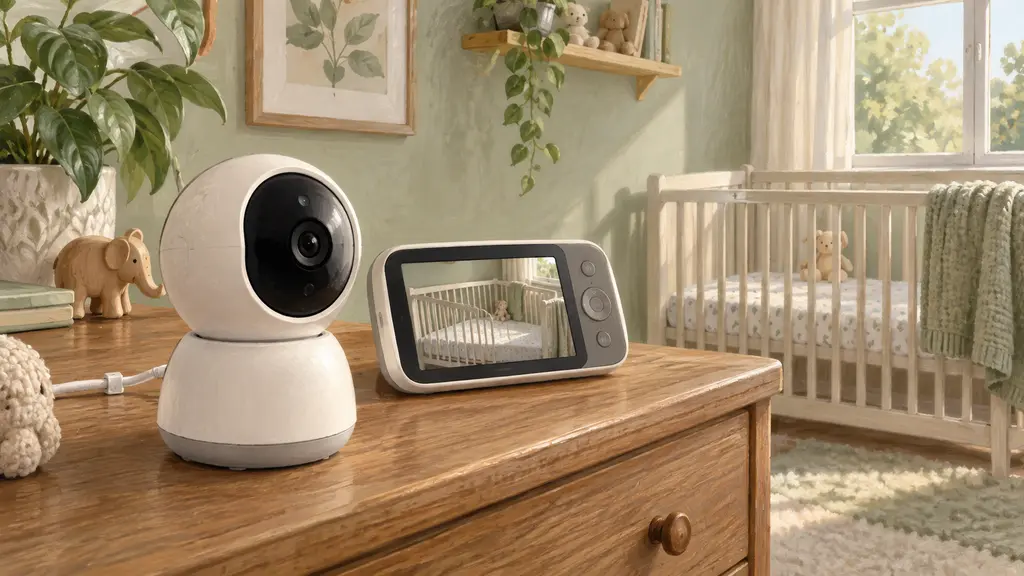 Best of The Best Baby Monitor in Egypt (2026)
 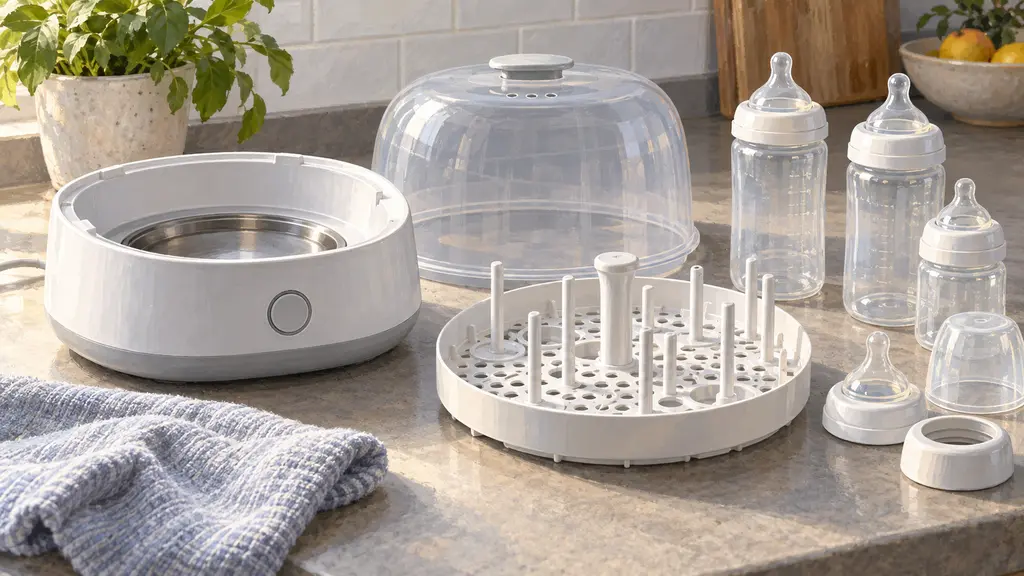 Best of The Best Bottle Sterilizer in Egypt (2026)
 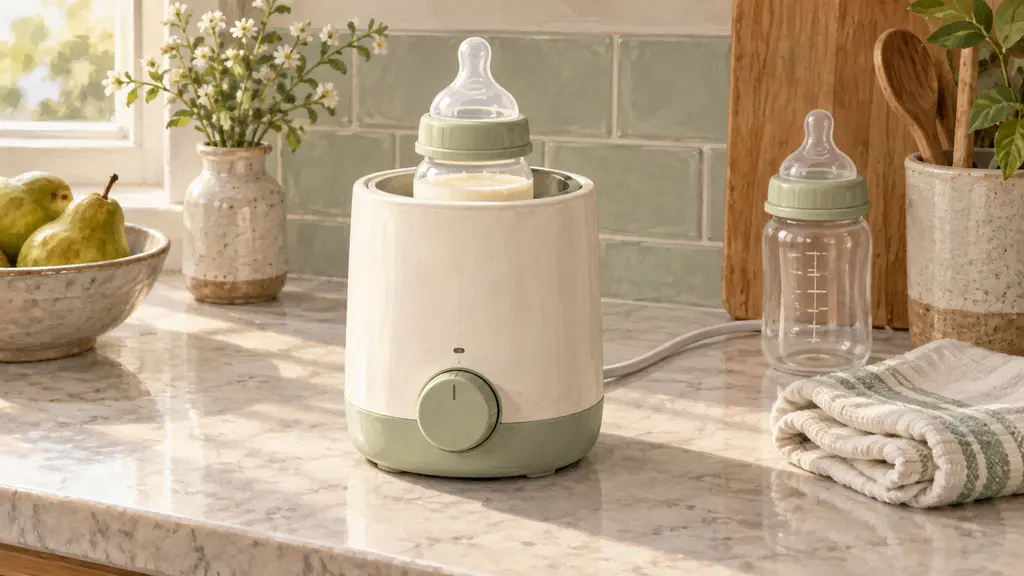 Best of The Best Bottle Warmer in Egypt (2026)
 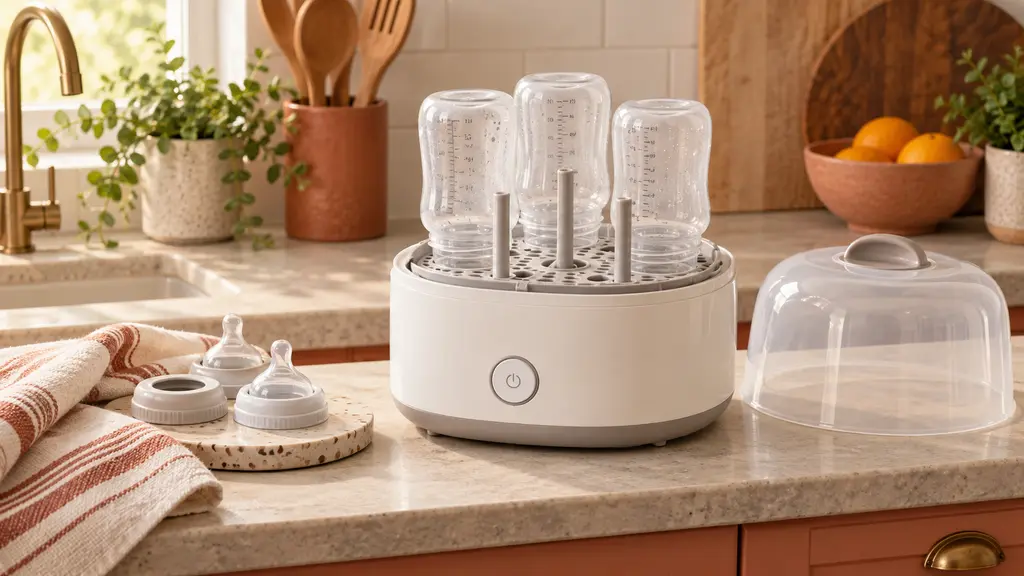 How to choose How to choose baby appliances in Egypt (2026)
 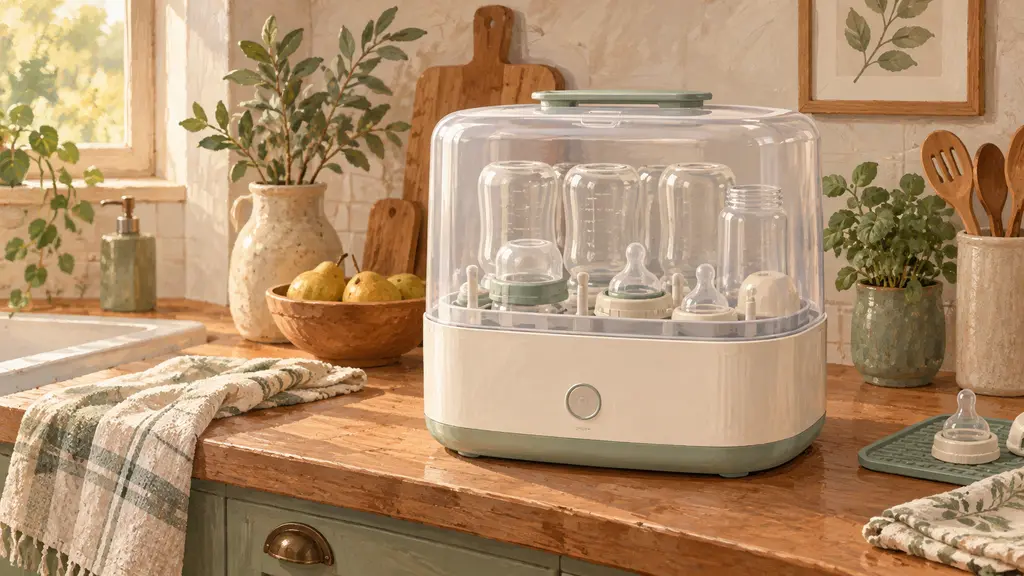 Prices Baby appliance prices in Egypt (2026): by type and tier
 Complete reading library
Buying guides and picks3
- Bottle Sterilizer Buying Mistakes to Avoid Before You Pay
The most common bottle sterilizer buying mistakes: ignoring cycle type, capacity, and drying, or choosing on price alone. Here's what to actually check before you buy.
- Is a Baby Monitor Worth It in a Small Apartment?
If your apartment is small and you can already hear your baby from another room, is a baby monitor still worth it? Here's when it makes a real difference and when you can skip it.
- What Size Bottle Sterilizer Do You Actually Need?
How to work out the right bottle sterilizer capacity based on your daily bottle count and counter space, and when a microwave unit is enough.
Detailed comparisons2
- Is a Bottle Sterilizer Worth It Versus Boiling?
Before you spend on a bottle sterilizer, find out when it's actually worth the money versus boiling on the stove, and when boiling alone is enough.
- Boiling vs Microwave and Electric Bottle Sterilizers in Egypt
Compare boiling bottles with microwave and standalone electric steam sterilizers in Egypt, weighing supervision, equipment and your daily routine.
Care and maintenance1
- How to Clean a Bottle Sterilizer and Stop Limescale
Simple steps to clean a microwave or electric bottle sterilizer, remove limescale and odor, and what to avoid so the unit keeps working well.
Troubleshooting1
- Baby Monitor Not Working, What to Check
Baby monitor dropping connection or won't turn on? Check in this order: battery and charging, range and interference, re-pairing, and when it's an actual hardware fault.
This guide contains affiliate links: we may earn a commission when you buy through them, at no extra cost to you. Our picks are based on research, not payment. How we choose · Full disclosure.