
 UAE
UAE  Saudi Arabia
  USA
USA Food processors in Egypt
Kenwood, Moulinex, Braun and the rest. We line up specs, prices, and what buyers say so you can choose the right food processor.
Our current picks run from 4,139 EGP to 5,845 EGP.
Start by need
Price bands in the price guide
See the full price guideReady to buy?Top picks
See the full comparison-
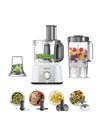 Kenwood FDP65.400WH (3L nominal bowl, 1000W) Larger bowl pick ≈ 5,119 EGP Check price on Amazon.eg
 -
 Bosch MCM3201B (2.3L bowl, 1L blender, 800W) Compact processor and blender ≈ 5,845 EGP Check price on Amazon.eg
 -
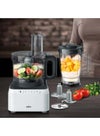 Braun FP3131WH (2.1L bowl, 1.2L blender, 800W) Budget combination pick ≈ 4,139 EGP Check price on Amazon.eg
Approximate prices at publication · as of September 2026.
Buying guides
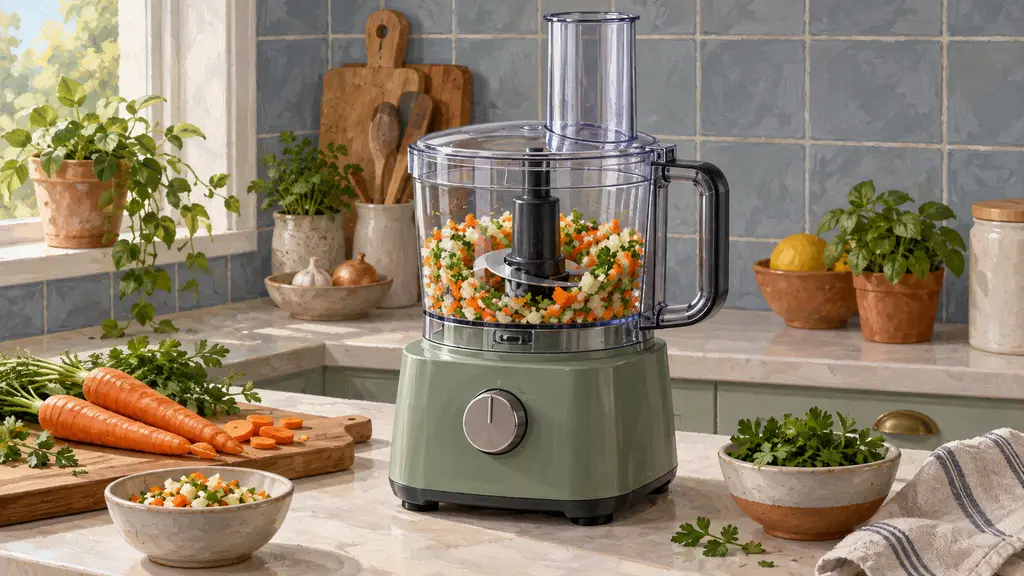 Best of Best Budget Food Processor in Egypt (2026)
 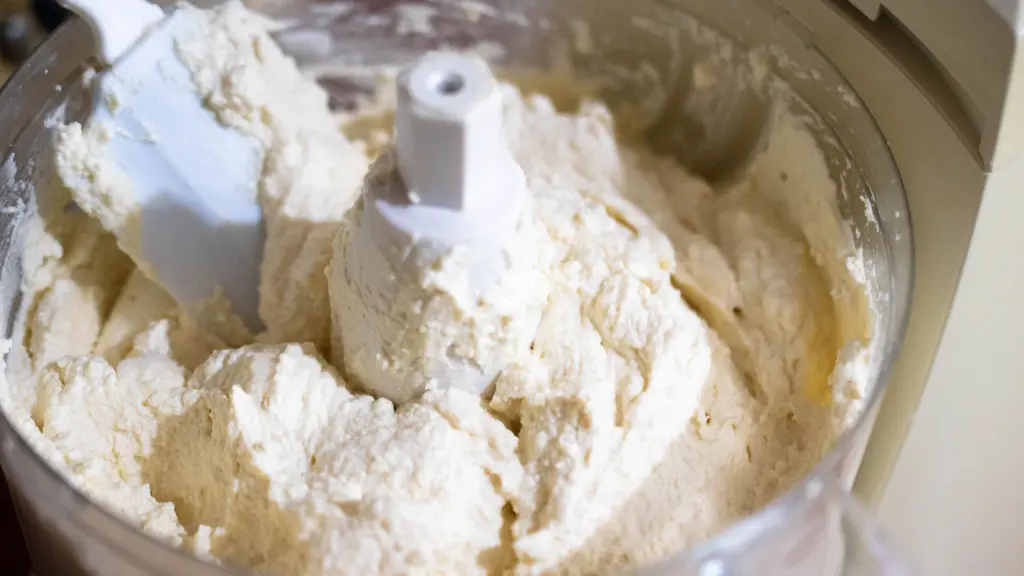 Best of Best Food Processor for Dough & Bread in Egypt (2026)
 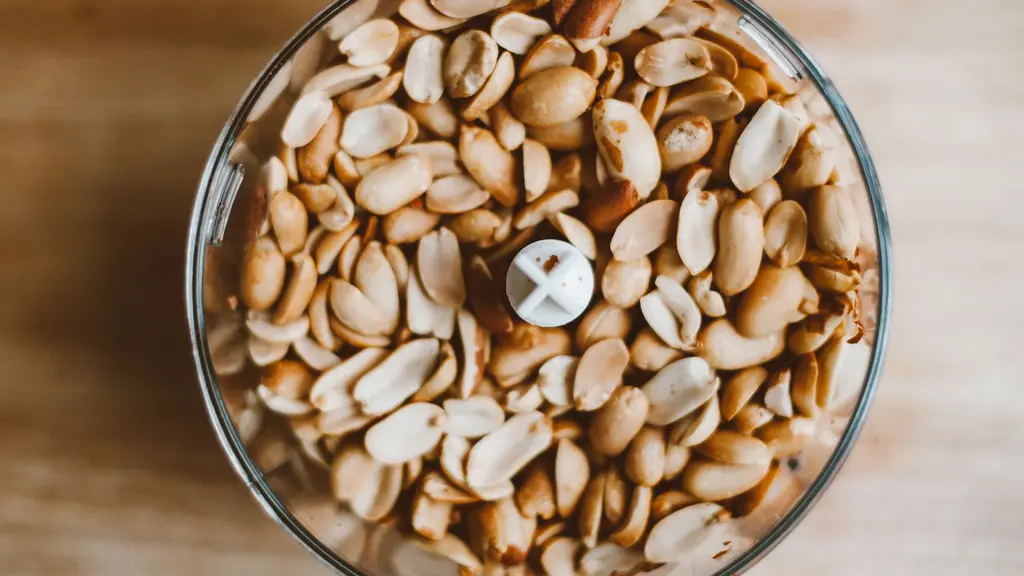 Best of The Best Food Processor in Egypt (2026)
 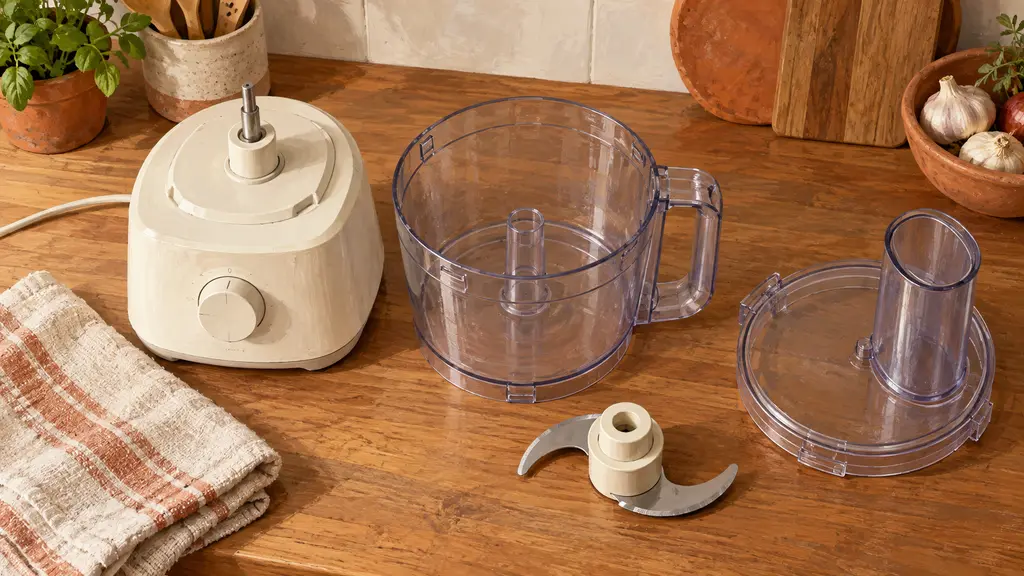 Comparison Kenwood vs Moulinex Food Processor in Egypt (2026)
 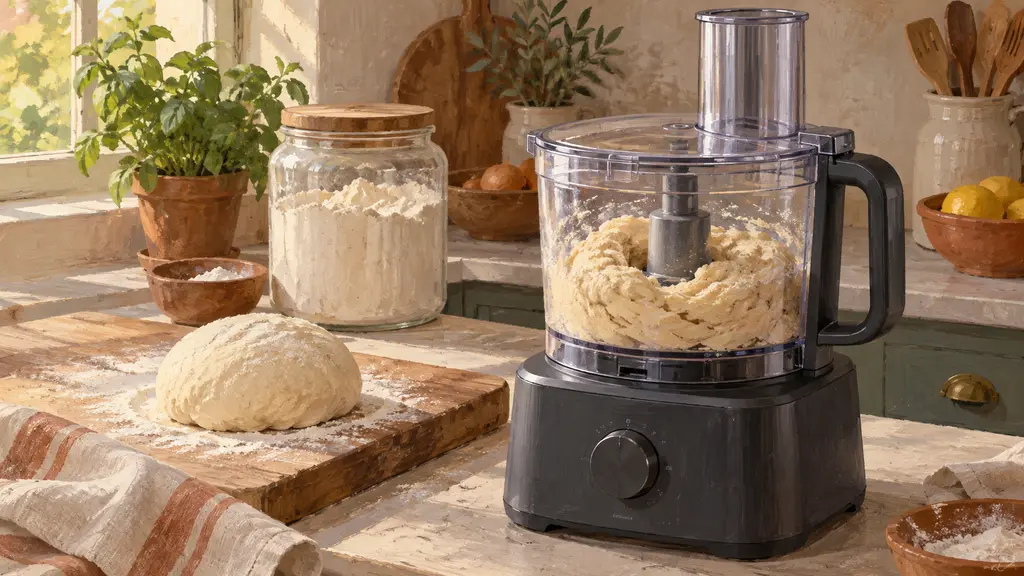 How to choose How to choose a food processor in Egypt (2026) Prices Food processor prices in Egypt (2026): by type and brand
 Complete reading library
Buying guides and picks4
- Food Processor Size: How Many Litres Do You Need?
Food processor bowl size depends on how many people you cook for and which tasks you do. We explain small vs large bowls, how watts relate to dough, with a sizing table.
- Food Processor Buying Mistakes You'll Regret Later
The most common food processor buying mistakes in Egypt: chasing wattage alone, a bowl smaller than you need, and skipping the warranty check, and how to avoid them before you pay.
- What Size Food Processor Do You Need for a Small Apartment?
A practical guide to picking a food processor bowl size that fits a small apartment kitchen in Egypt, so it earns its counter and cabinet space instead of wasting it.
- Is a Food Processor Worth It If You Already Own a Blender?
Is a food processor worth buying if you already have a blender or hand mixer? We compare what each appliance actually does well and when you genuinely need both in your kitchen.
Detailed comparisons3
- Food Processor vs Blender: Which One Do You Actually Need?
Choose a food processor for slicing and grating, or a blender for drinks. Compare real tasks, capacity limits and Egyptian combination-machine options.
- Food Processor vs Chopper: Pay for the Big One or Will a Mini Do?
Food processor vs chopper, made simple: bowl size, attachments, dough, and price. Learn when a cheap mini chopper is enough and when you need a full processor.
- Food Processor vs Stand Mixer for Dough: Which One?
Choose a food processor or stand mixer by recipe mass, tools, runtime and rest limits. See the Kenwood yeast example and the limits of mixer comparisons.
Usage and guides4
- Food Processor Blades Guide: Which Tool for Which Job?
A food processor blades guide: the S-blade, the grating disc, the slicing disc, and the dough tool, what each one is for, and why chopping comes out uneven.
- Mincing Meat at Home with a Food Processor (No Paste)
How to mince meat at home with a food processor: chill the meat first, work in small batches, and pulse instead of running it continuously so it minces evenly, not into paste.
- What Can a Food Processor Actually Do in Your Kitchen?
Food processor uses in a real kitchen: chopping, kibbeh, dough, grating, and juice, the key attachments and recipes it speeds up, and when to reach for it instead of a blender.
- Ramadan Food-Processor Prep: Batches, Cleaning and Dough Limits
Plan Ramadan food preparation around recipe limits, separate raw-food handling and cleaning breaks. Use the Kenwood FDP65 yeast-mixture limits correctly.
Care and maintenance1
- How to Clean a Food Processor Without Dulling the Blades
A practical guide to cleaning a food processor: washing the bowl, blades, and lid, removing smells and stubborn stains, dishwasher-safe parts, and cleaning mistakes to avoid.
Troubleshooting2
- Food Processor Not Working? Check These First
Food processor not working or not chopping properly? Before you assume it's broken, check the lid lock, the motor overload protection, and whether the blade is fitted wrong.
- Why Does Your Food Processor Smell Bad? The Real Fix
Why a food processor smells bad and how to fix it for good: the real cause is usually the rubber gasket under the blade, not the motor, plus the cleaning steps that work.
This guide contains affiliate links: we may earn a commission when you buy through them, at no extra cost to you. Our picks are based on research, not payment. How we choose · Full disclosure.