
 UAE
UAE  Saudi Arabia
  USA
USA Blenders in Egypt
From smoothies to heavy prep. We compare brands, prices, and buyer reviews so you can choose the right blender.
Our current picks run from 2,053 EGP to 3,735 EGP.
Start by need
Price bands in the price guide
See the full price guideReady to buy?Top picks
See the full comparison-
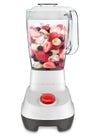 Moulinex Super Smoothie LM207128 (2L, 700W) Best overall ≈ 2,874 EGP Check price on Amazon.eg
 -
 Tornado TB-600/2 Blender (1.5L, 600W) Best value ≈ 2,053 EGP Check price on Amazon.eg
 -
 Moulinex Blendforce LM4231EG (2L, 800W) Power step-up ≈ 3,735 EGP Check price on Amazon.eg
Approximate prices at publication · as of August 2026.
Buying guides
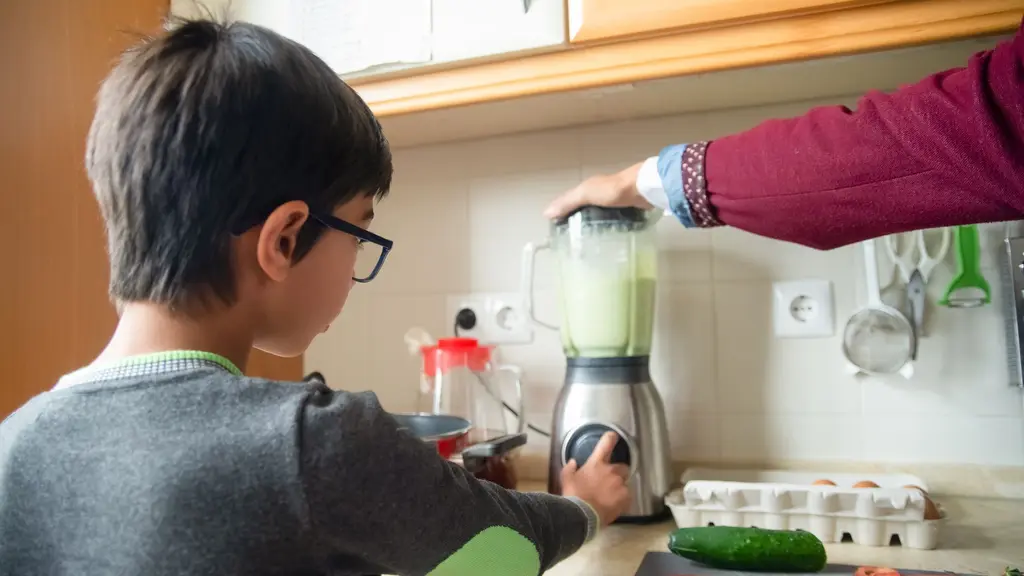 Best of Best Blender for Smoothies & Crushing Ice in Egypt (2026)
 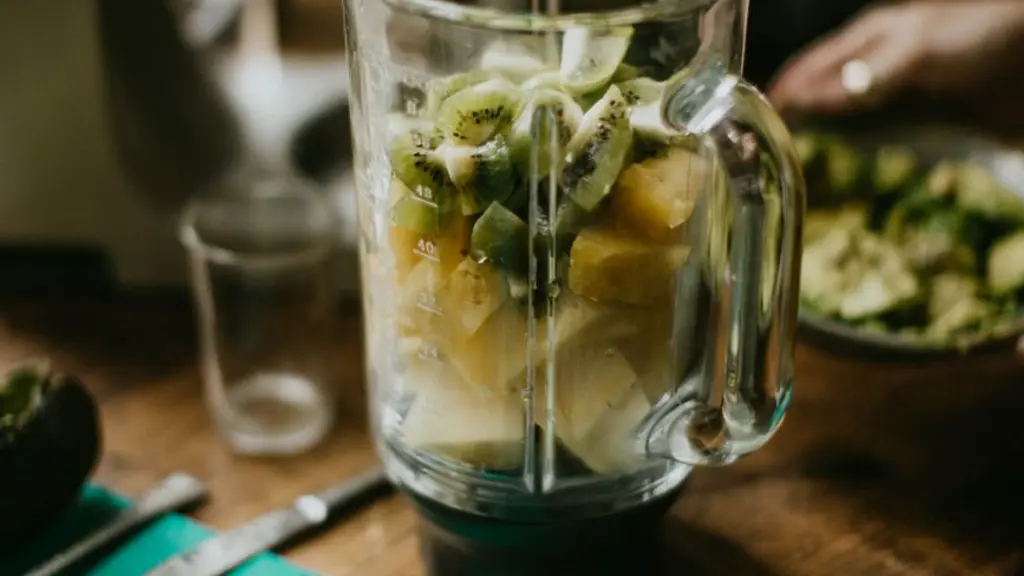 Best of The Best Blender in Egypt (2026)
 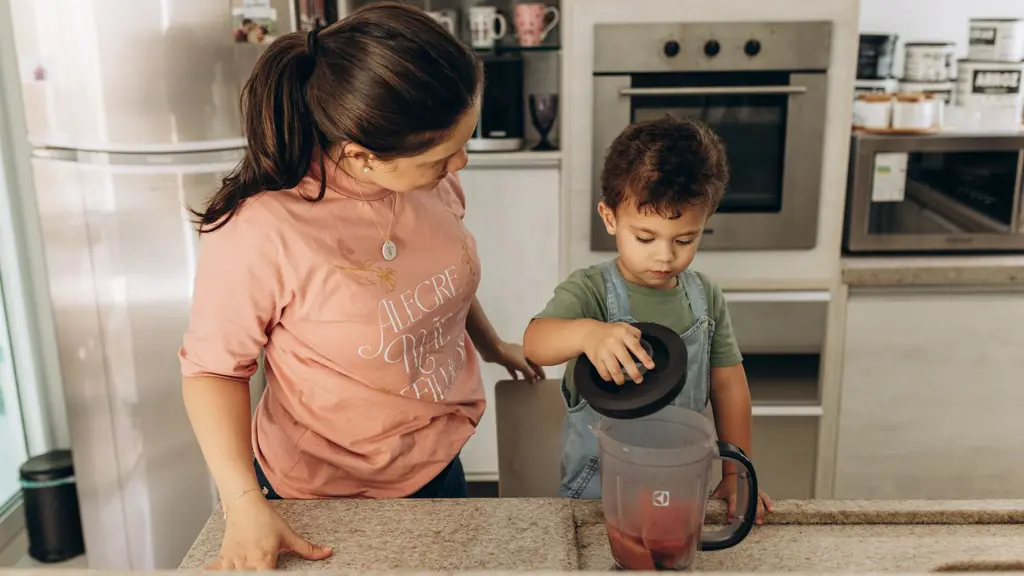 Best of Best Budget Blender in Egypt (2026)
  Comparison Moulinex vs Kenwood: Which Blender Is Better in Egypt (2026)?
  How to choose How to choose a blender in Egypt (2026)
  Prices Blender prices in Egypt (2026): by type and brand
 Complete reading library
Buying guides and picks8
- The Cheapest Good Blender in Egypt: What to Look For
A practical guide to the cheapest good blender in Egypt: the difference between cheap and cheap-and-good, price tiers, and the signals to check before you buy.
- Best Electric Blender: What Actually Makes One the Best?
The best electric blender in Egypt right now and the real criteria to judge one by: motor power and blade design, jug capacity and material, and extras versus price.
- Blender Buying Mistakes to Avoid Before You Buy One
The most common blender buying mistakes: judging by wattage alone, ignoring jug capacity and material, mixing up a blender and a mixer, and skipping warranty.
- How to Choose a Blender for Smoothies and Juices
A simple guide to choosing a blender for smoothies and juices (خلاط للسموذي والعصائر): power, blade design, jug material, ice and frozen fruit, single-serve vs jug.
- Crushing Ice in a Blender: What Makes a Blender Good at Ice?
A good ice-crushing blender needs a strong blade, enough power, the right jug, and proper technique. We explain what crushes ice well and what damages a weak blender.
- Is a Cheap Blender Good Enough? The Honest Answer
Is a cheap blender actually good enough, or will you regret it in a few months? An honest comparison between the economy tier and the value tier by daily use.
- Is a Portable Blender Worth It? Or Is a Regular One Better?
A straight comparison between a portable USB blender and a regular blender: who it's worth the money for, the power and battery limits, and who should buy which based on real use.
- What Size Blender Do You Need? A Quick Guide
A quick guide to choosing the right blender jug size by household size, from a single-serve cup for one person up to a 2L jug for a large family.
Detailed comparisons2
- Blender vs Mixer: What Does Each One Actually Do?
The difference between a blender, a mixer, and a hand blender: the blender is for liquids and smoothies, the mixer is for whisking and dough, the hand blender for soup in the pot.
- Glass vs Plastic Blender Jug: Which Is Better for Your Kitchen?
Glass vs plastic (Tritan) blender jug compared: weight, scratches, smells, heat resistance, durability, and hygiene, so you can pick the jug that fits your use.
Care and maintenance1
- How to Clean a Blender: Jar, Blade Base, and Gasket Done Right
A practical guide to cleaning a blender: the fast daily rinse, taking apart the blade base and gasket for a deep clean, dishwasher-safe parts, and getting rid of stubborn smells.
Troubleshooting3
- Blender Not Working? What to Check Before You Call It Dead
Blender suddenly not turning on or blending? Follow this order: plug and outlet, jug seating, overload protection, blade jams, then the drive coupler.
- Blender Overheating and Smells Burnt? Cause and What to Do
A practical guide to why a blender overheats and smells burnt: overloading, an overworked motor, or a worn drive coupler, and how to tell them apart before you repair it.
- How to Get Rid of a Bad Blender Smell for Good
Blender smell not going away with normal washing? Here are the right steps to clean the jug gasket, the real source of the smell, and when to replace it.
Understanding specs2
- Blender Watts: Does a Bigger Number Mean Stronger Blending?
Blender watts measure electricity use. Learn how blade design, jug shape and speed control affect blending, and what to check beyond the headline wattage.
- How Long Does a Blender Last? Signs It's Time to Replace It
A practical guide to blender lifespan: what shortens it, the warning signs it's wearing out, and when to repair instead of replace.
This guide contains affiliate links: we may earn a commission when you buy through them, at no extra cost to you. Our picks are based on research, not payment. How we choose · Full disclosure.