
 UAE
UAE  Saudi Arabia
  USA
USA Steam irons and garment steamers in Egypt
From regular steam irons to handheld and standing garment steamers, we compare the specs, steam output, buyer reviews, and prices so you can pick the right one for your clothes.
Our current picks run from 1,710 EGP to 4,289 EGP.
Price bands in the price guide
See the full price guideReady to buy?Top picks
See the full comparison-
 Kenwood 2600W Steam Iron (350ml) Best overall ≈ 1,928 EGP Check price on Amazon.eg
 - Kenwood 2200W Ceramic-Soleplate Steam Iron (300ml) Budget Kenwood pick ≈ 1,710 EGP Check price on Amazon.eg
- Philips 5000 Series Steam Iron (DST5040/86) Best iron for strong steam ≈ 4,289 EGP Check price on Amazon.eg
Approximate prices at publication · as of August 2026.
Buying guides
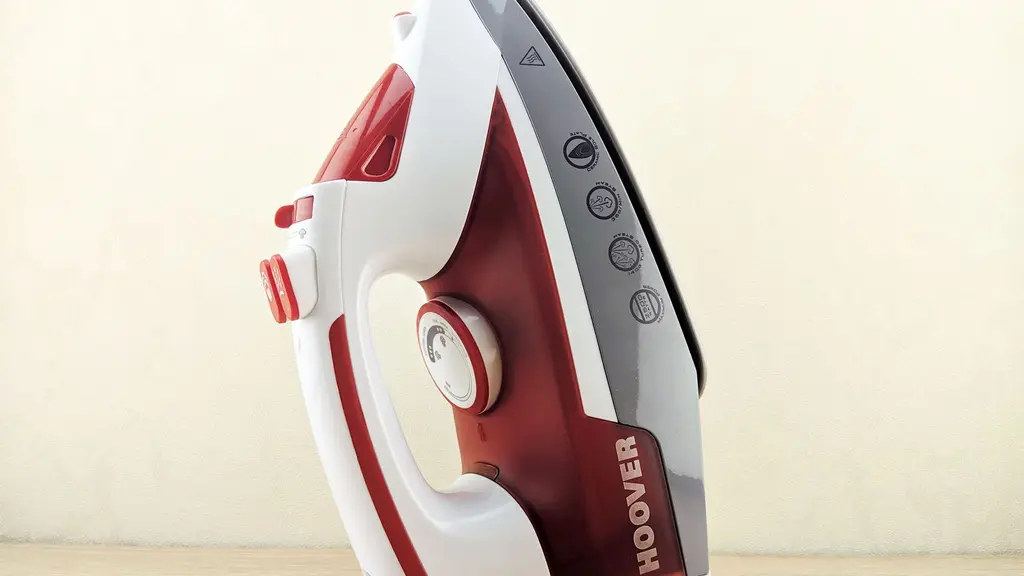 Best of The Best Steam Iron in Egypt (2026)
 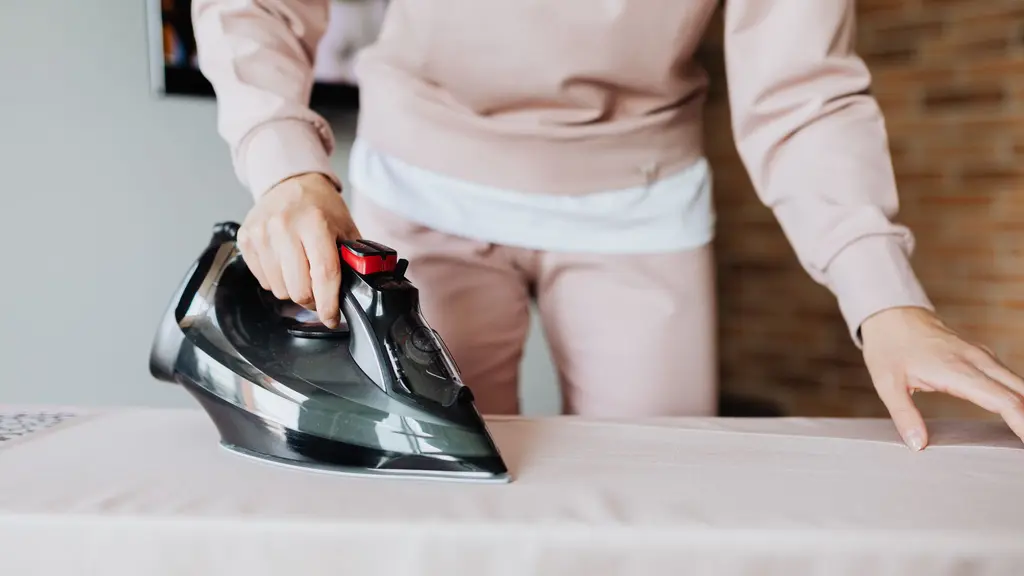 How to choose How to Choose a Steam Iron in Egypt (2026)
 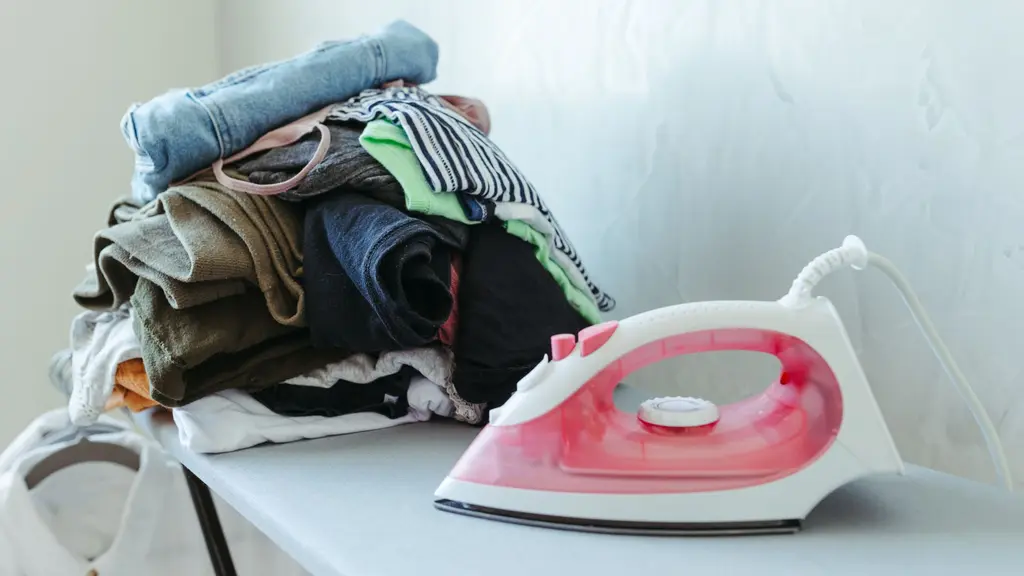 Prices Steam Iron Prices in Egypt (2026): by Type and Tier
 Complete reading library
Buying guides and picks4
- Best Portable Steam Iron for Travel and Small Apartments
Best portable steam iron for travel: a foldable unit that fits in a suitcase, what actually matters in a portable design, and when a regular steam iron is enough instead.
- Best Standing Steam Iron: Worth It or Is a Handheld Enough?
The best standing steam iron for suits, coats, and curtains: when a standing steamer earns its higher price, and when a regular steam iron or handheld unit is all you need.
- Is a Steam Iron Worth the Extra Cost?
A practical guide to whether a steam iron is worth it over a basic dry iron, covering when the extra cost pays off and when a regular iron is enough.
- What Size Steam Iron Do I Need?
A practical guide to matching the right water tank size and wattage of a steam iron to your household's ironing load, whether you live alone or iron for a big family.
Detailed comparisons1
- Steam Iron vs Garment Steamer: The Difference and Which to Pick
Compare an iron's pressed creases with a steamer's use on hanging clothes. Choose for your shirts, suits, dresses and fabric-care routine in Egypt.
Care and maintenance1
- How to Clean a Steam Iron Without Ruining the Soleplate
A practical guide to cleaning a steam iron: removing scale from the soleplate and tank, why it leaks brown water or loses steam, and mistakes that can damage the soleplate.
Troubleshooting2
- Steam Iron Not Working? What to Check First
A steam iron not heating or not producing steam? Simple checks tell you whether the problem is fixable at home or the iron genuinely needs replacing.
- Why Does a Steam Iron Smell and How Do You Fix It?
A steam iron's bad smell almost always comes from stagnant water and scale in the tank, and this practical step-by-step guide fixes it without buying a new iron.
This guide contains affiliate links: we may earn a commission when you buy through them, at no extra cost to you. Our picks are based on research, not payment. How we choose · Full disclosure.