
 UAE
UAE  Saudi Arabia
  USA
USA Best Standing Steam Iron: Worth It or Is a Handheld Enough?
The best standing steam iron for suits, coats, and curtains: when a standing steamer earns its higher price, and when a regular steam iron or handheld unit is all you need.
We may earn a commission from purchases through our links, at no extra cost to you. Full disclosure.
Offer status: September 26, 2026
- Kenwood 2600W Steam Iron (350ml): On September 26, 2026, this listing had other-seller offers but no main offer. The price and price date shown are historical; check the seller, item price and delivery on Amazon before comparing it with a current offer.
The cards and their Amazon check links remain available. Earlier mentions of these products below are historical context, not current purchase recommendations. Other products retain their own price-check dates.
A standing garment steamer works on hanging clothes, while a conventional iron presses against a board. Choose from your laundry mix and storage space before comparing current offers. The Kenwood card on this page is retained as a historical board-iron example.
The quick answer
Use a board iron when sharp creases and flat pressing are the main jobs. Consider a standing steamer for repeated touch-ups on hanging garments, after checking fabric labels and the space its base needs. The formats complement different tasks; one does not replace the other in every routine.
Key takeaways
- “Standing steam iron” usually means a standing garment steamer, not an iron that literally stands upright. A standing steamer works on free-hanging steam with no board (clothes iron definition from Britannica).
- A standing steamer saves time on a full wardrobe session, since it doesn’t need a board set up or the garment held and repositioned constantly.
- Not every fabric benefits equally: suits, coats, and curtains benefit, but formal shirts that need a sharp crease still look cleaner pressed on a board.
- The price gap is real: a standing steamer starts around 5,300 EGP, versus a decent regular iron starting around 1,500 EGP.
What’s actually different between a regular iron and a standing steamer?
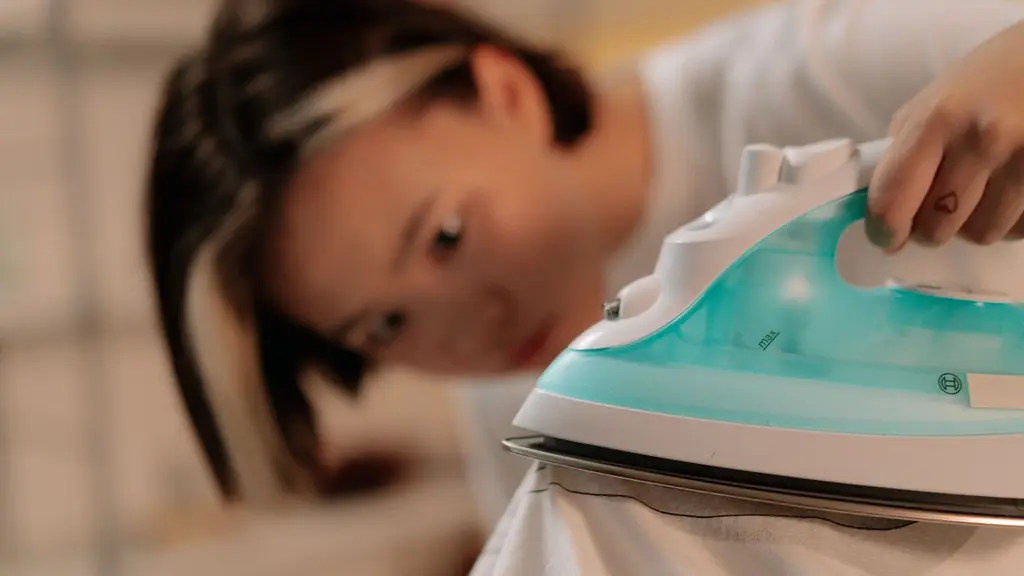
A regular iron presses on a board, giving you a sharp, flat crease on shirts and trousers. A standing steamer works on the garment while it hangs on a rack, with steam loosening the wrinkles without you holding anything against a board. The result is different too: an iron gives you crease lines, a steamer gives you smooth fabric with no lines, which suits suits, coats, and dresses better.
When does a standing steamer actually earn its higher price?
If you regularly steam more than one hanging item per session, like a full rack of suits or a whole house of curtains, a standing steamer genuinely saves you time every time because you’re not setting up a board or unhooking the garment. If your daily laundry is ordinary (shirts, trousers, towels), the higher price isn’t worth it, and a decent regular iron covers what you need for far less.
Which fits you: a regular iron or a standing steamer?
| Criteria | Conventional board iron | Standing garment steamer |
|---|---|---|
| How it’s used | Pressing on a board | Steaming the garment while it hangs |
| Approx. price | From around 1,500 EGP | From around 5,300 EGP |
| Best for | Shirts and trousers needing a sharp crease | Suits, coats, and curtains in bulk |
| Setup space | Basically none | Needs a fixed corner |
| Speed on a full wardrobe session | Slower with many pieces | Faster for large hanging volumes |
The table shows this isn’t about one being objectively better, it’s about what kind of laundry you actually have.
If you’re not sure yet, start with a solid regular iron
If you are unsure, list a typical week’s ironing. Start with a board iron when most items need flat pressing; consider adding a standing steamer only if hanging garments form enough of the work to justify its storage and extra purchase. You need not replace a working iron simply to add the second format.
Bottom line
Choose the pressing method first, then compare current offers with the exact manual, fabric compatibility and storage dimensions in hand. Keep a board iron for creases and consider the standing format when your hanging-garment workload justifies it. Continue with the best steam iron in Egypt, steam iron vs garment steamer, best steam iron, how to choose a steam iron, steam irons section.
Sources
- Britannica, “Iron pressing”, definition of the electric iron and how steam works on fabric: https://www.britannica.com/technology/iron-pressing
About this guide
- Editing
- Mizaan Home editorial team
- Last updated
Research based on published specifications, without hands-on testing. How we choose
Prices are checked per product; the oldest check on this page:
This analysis is based on published information from Britannica (Iron pressing).
Frequently asked questions
What is the difference between a regular iron and a standing steamer?
A regular iron presses on a board and gives you a sharp crease. A standing steamer works on the garment while it hangs on a rack and stands on its own base. The standing steamer is faster and gentler on suits, coats, and curtains, but it needs setup space and does not give a sharp crease like an iron does.
Is a standing steamer worth it or is a regular iron enough?
It is worth comparing when hanging garments make up a regular part of your laundry and you have space for the base. If you mainly press shirts or trouser creases on a board, a conventional iron matches that job. Compare current delivered offers after deciding the format; the old Kenwood price is historical.
What fabrics does a standing steamer work on?
It suits most fabrics that wrinkle while hanging: suits, coats, evening dresses, curtains. It is not the best fit for fabrics that need a sharp crease, like formal work shirts, where a regular iron on a board still gives a cleaner line.
How much space do I need to set up a standing steamer?
You need floor space or a fixed corner, roughly a square meter, since it stands on its own base. If your apartment is small and you want something lighter, a handheld or portable steamer fits better.