
 UAE
UAE  Saudi Arabia
  USA
USA Burr vs Blade Coffee Grinder: Which Type Fits Your Brew?
We may earn a commission from purchases through our links, at no extra cost to you. How we choose · Disclosure.
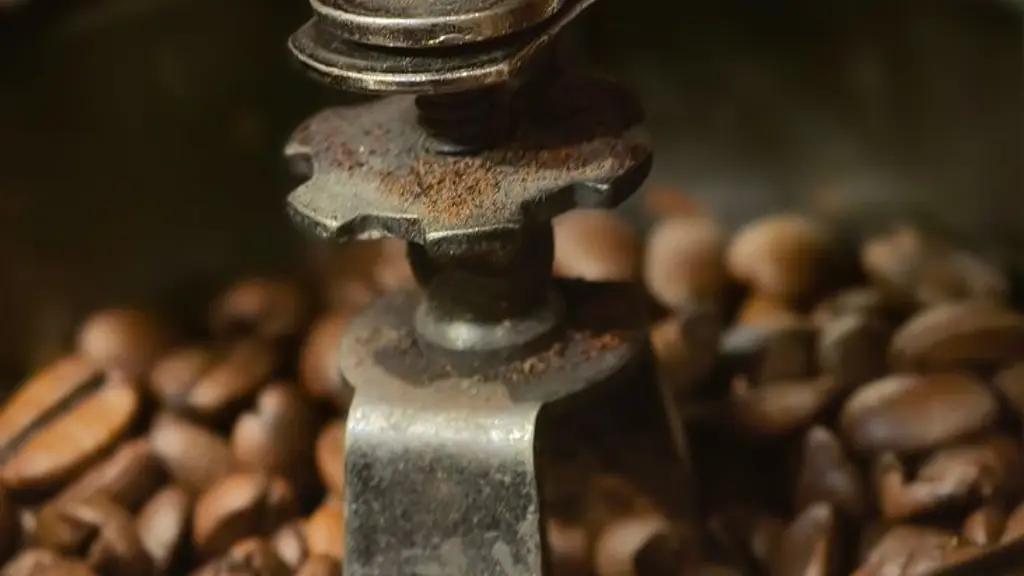
The real difference is simple: a blade grinder chops beans, while a burr grinder crushes them between two surfaces separated by an adjustable gap. Blades are quicker and cheaper. Burrs give clearer particle-size control. The better type depends on the brewing method, not price alone.
The quick answer
Choose blades when Turkish coffee is your main use and you want quick electric operation without complex settings. Choose burrs for espresso or filter coffee when you want to return to the same grind size. A manual burr fits small batches, while an electric burr is easier for frequent use and larger quantities.
How blades work
Inside a blade grinder, a fast-spinning knife cuts the beans. A longer run produces a finer result, but beans close to the blade can become finer than those farther away. That creates a wider mix of particle sizes, and the outcome changes with dose and running time.
The advantage is simplicity and speed. For Turkish coffee, a small batch can be processed until it reaches a powder-fine texture. The Bosch TSM6A011W is a practical example of this class in our best coffee grinder ranking, though its featured offer was gone at the 10 August 2026 update, and none of this implies that blades are more precise than burrs.
How burrs work
A burr grinder has two grinding surfaces, and the gap between them determines particle size. When the setting stays fixed, returning to the same size is easier than repeating an approximate number of seconds with blades. That matters when a recipe responds to a small change, especially espresso.
Burrs can be ceramic or metal, manual or electric. Material alone does not settle quality because burr geometry, shaft stability, and adjustment range also matter. When a listing omits material or hardness, treat it as unknown.
Which type fits Turkish coffee?
Turkish coffee needs a powder-like grind. Blades can reach it at a lower cost, making Bosch or Moulinex a logical route when Turkish is the main use. Work in pulses and small batches, and inspect the result instead of relying on one timing rule across different beans.
A burr can also serve Turkish coffee if its range reaches the required fineness, but not every burr grinder is designed for it. The word “burr” alone is not a guarantee.
Which type fits espresso?
Espresso needs finer control. A small change affects water flow, so a burr with clear adjustment is the more suitable choice. An electric grinder with a large hopper makes sense for frequent cups, but do not pay for capacity you will not use.
What about filter and French press?
Filter coffee uses a medium grind and French press a coarser one. Burrs help reduce powdery fines mixed among larger particles, making the recipe easier to repeat. A small manual grinder can cover one or two cups, but it becomes tiring when grinding for a household.
Cleaning and replacement parts
Both blades and burrs collect coffee particles and oils. Use a suitable brush, follow the manual, and keep water away from motors or parts not designed for washing. For a burr grinder, ask about replacement-burr availability and the adjustment mechanism. The listings behind the shortlist do not provide verified replacement-part prices.
The decision in two lines
For Turkish coffee, speed, and lower cost, blades are reasonable. For espresso, filter coffee, and repeatable grind size, a burr is worth the difference when its settings and capacity fit your routine. Compare coffee grinder prices, use the coffee grinder buying guide, or browse the coffee grinders hub before buying.
Frequently asked questions
What is the main difference between blade and burr grinders?
Blades chop beans quickly, with fineness controlled by running time and quantity. Burrs pass beans between two surfaces separated by an adjustable gap, producing a size that is easier to repeat.
Which type is better for Turkish coffee?
A blade grinder can be practical for Turkish coffee because it can reach a very fine result in small batches with enough running time. You need to accept less particle consistency than a burr grinder.
Which type is better for espresso?
A burr grinder is better suited because espresso needs small, repeatable changes in grind size. Confirm that the grinder's range reaches the espresso setting your machine requires.
Is a manual grinder weaker than an electric grinder?
Not necessarily. A manual burr grinder can provide useful control, but it is slower, smaller, and requires effort. Electric operation is easier for larger quantities, while the internal grinding type matters more than a motor alone.