
 UAE
UAE  Saudi Arabia
  USA
USA Is a Robot Vacuum Worth It in an Egyptian Home?
We may earn a commission from purchases through our links, at no extra cost to you. How we choose · Disclosure.
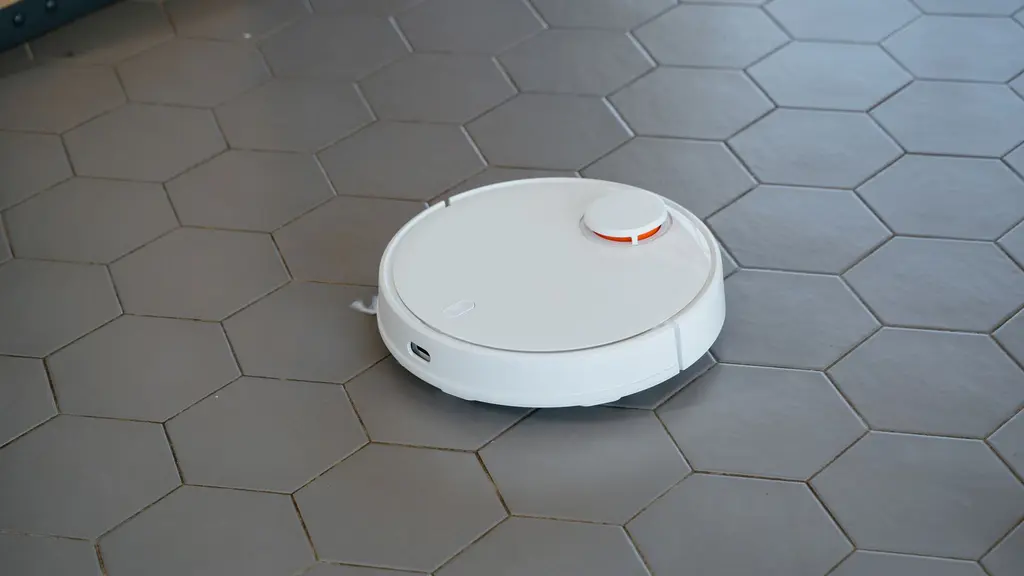
“Is a robot vacuum worth it?” has become one of the most common questions whenever we think about cleaning the house with the least effort. The idea is tempting: a small device that roams on its own and cleans while you sit back or step out. But the reality in an Egyptian home isn’t always like the ad. Let’s be honest about when a robot is a smart investment and when it’s just an expensive toy, with no hype and no exaggeration.
The quick answer
A robot vacuum is worth it if your home has plenty of open hard floors and you want automatic daily cleaning that keeps things generally tidy, but it is not a full replacement for a regular vacuum on deep cleans of carpet and sofas. Treat it as an extra layer of convenience on top of your main vacuum, not a substitute. If your home is covered in thick rugs or has lots of obstacles on the floor, the payoff will be far smaller than you expect.
Key takeaways
- A robot is a category apart from corded and cordless vacuums, built for automation and daily cleaning of open floors rather than the strongest suction (robot vacuum background from Britannica).
- LDS laser navigation maps your home and cleans in organized rows, far more efficient than the cheap random-bounce models that bump into furniture and leave gaps.
- A robot’s suction is weaker than a corded vacuum’s on thick carpet, because of its low height and lower power, so it excels on hard floors and falls short on deep cleaning (vacuum cleaner background from Britannica).
- If anyone in the home has allergies, look at the filter, not just the automation: a true HEPA filter traps 99.97% of fine particles (HEPA definition from US EPA).
- A robot needs regular maintenance and a tidied floor: emptying the bin, clearing hair from the brush, and removing small obstacles before each run.
What a robot vacuum actually does, and doesn’t
A robot is a flat device that moves around the floor on its own, picking up dust, hair, and crumbs from open floors, and some models (like the one below) also mop with a small water tank. It’s a standalone category, completely different from corded and cordless, designed mainly for automation: it cleans daily on a scheduled path without you holding it.
But keep your expectations realistic. A robot doesn’t climb stairs, doesn’t clean sofas, curtains, or ceiling corners, and its limited height makes it weak on thick carpet. In other words, it maintains a “daily tidiness” of open floors, not the deep clean that a strong corded vacuum does once a week.
Open floors vs thick carpet: this is where everything is decided
The single biggest factor in whether a robot is worth it for you is your floor type. On tile, parquet, and marble, a robot shines: it roams daily and lifts dust and hair before it builds up, and some models mop after the suction to leave the floor gleaming. On thick or high-pile carpet, its performance drops noticeably, because its suction is lower and its height won’t let it dig into the pile to lift the deep dust.
The simple rule:
| Floor type | Robot performance | Best for |
|---|---|---|
| Tile / parquet / marble | Excellent | Automatic daily cleaning |
| Thin rugs and low-pile carpet | Acceptable | Daily touch-ups between deep cleans |
| Thick, high-pile carpet | Weak | A strong corded vacuum is preferable |
If your home is mostly hard floors, a robot will save you real daily effort. If it’s mostly thick carpet, keep it as a complement only, and leave the deep cleaning to your main vacuum.
LDS laser navigation: the difference between a smart robot and one that bumps around
Not all robots are equal. The very cheap models move randomly: they bump into furniture and back off, take a long time, and can leave areas uncleaned. Models with laser navigation (LDS), on the other hand, build an accurate map of the home and move in organized rows, line by line, so they cover the house faster and more efficiently and can find their way back to the dock on their own.
If you’re going to buy a robot, laser navigation is the feature worth paying for, because it’s the real difference between a device that genuinely keeps your home clean and one that wanders randomly and wears your patience. The model we recommend below comes with LDS navigation for exactly this reason.
Mopping, obstacles, and maintenance: the details that decide your satisfaction
Three practical things make the difference in your day-to-day experience:
- Mopping: many robots (including the one below) mop with a small water tank alongside the suction. That’s useful on hard floors, but keep in mind it’s a light maintenance wipe, not a replacement for a deep mop by hand.
- Obstacles: a robot gets tangled in cables, rug tassels, small toys, and rugs with loose edges. You need to tidy the floor and clear small obstacles before each run, and that’s a basic condition for it not to get stuck.
- Maintenance: like any vacuum, a robot needs its bin emptied and hair cleared from the brush regularly, plus filter washing or replacement. If anyone in the home has allergies, make sure there’s a true HEPA filter (HEPA definition).
The key point: a robot reduces your daily effort but doesn’t eliminate maintenance. Neglect it and its performance drops fast.
Who should buy a robot, and who shouldn’t?
To sum the decision up in one place:
Worth it if you:
- Have a home that’s mostly open hard floors (tile or parquet).
- Want automatic daily tidiness with no effort, especially if you have pets that shed hair.
- Already own a decent main vacuum and want a layer of convenience on top of it.
Not worth it (as your only vacuum) if you:
- Have a home covered in thick or high-pile carpet and want a deep clean.
- Have a home with lots of permanent floor obstacles (cables, kids’ toys, rugs with loose edges).
- Are on a tight budget and could buy a stronger corded vacuum that does deeper work instead.
A practical example of a robot with sensible specs for an Egyptian home: the Xiaomi Robot S40C at 5,000Pa suction, with LDS laser navigation, mopping alongside the suction, and app control. We didn’t recommend it as a replacement for your main vacuum, we recommended it because it’s a practical automation robot at a sensible price that complements your daily cleaning, which is why it’s one of our picks in our guide to the best vacuum cleaner in Egypt. You’ll find its current price and the Noon link in the card below.
Choose in a minute
- Ask yourself first: open hard floors or thick carpet? That settles whether a robot is worth it for you.
- If you’re buying, look for LDS laser navigation, not the cheap random-bounce models.
- Treat a robot as a complement to your main vacuum, not a replacement, and read robot vs cordless.
- If there are allergies, confirm a true HEPA filter and read our HEPA filter guide, and remember the wattage number doesn’t equal suction (watts vs suction).
- Tidy the floor before each run, keep up the regular maintenance, and browse our vacuum cleaners section.
For the full step-by-step details, head back to our guide on how to choose the right vacuum for your home.
Sources
- Britannica, “Robotics research”, background on robot vacuums as a standalone category, their navigation, and how they work: https://www.britannica.com/technology/robot-technology/Robotics-research
- Britannica, “Vacuum cleaner”, general background on vacuum cleaners, their types, and suction performance: https://www.britannica.com/technology/vacuum-cleaner
- US EPA, “What is a HEPA filter”, definition of the HEPA filter and its efficiency at trapping fine particles for allergy sufferers: https://www.epa.gov/indoor-air-quality-iaq/what-hepa-filter
This analysis is based on published information from Britannica (Robotics research), Britannica (Vacuum cleaner), US EPA (What is a HEPA filter).
Frequently asked questions
Is a robot vacuum worth it in an Egyptian home?
It's worth it if your home has a lot of open hard floors (tile or parquet) and you want automatic daily cleaning that keeps things generally tidy with no effort. It's not worth it as your only vacuum if your home is covered in thick rugs or has lots of obstacles on the floor, because then it's a complement to your main vacuum rather than a replacement.
Does a robot vacuum replace a regular one?
Not in most Egyptian homes. A robot takes the light daily cleaning of open floors off your hands, but it's weaker at deep-cleaning carpet and can't do sofas, curtains, or high corners. It's best treated as an extra layer on top of a strong corded or cordless vacuum, not a full replacement.
Why does LDS laser navigation matter on a robot?
Laser navigation (LDS) lets the robot build an accurate map of your home and move in organized rows instead of bumping around randomly, so it covers the house faster and more efficiently without leaving gaps. Cheap models without a laser wander randomly, take longer, and can miss spots.
Does a robot vacuum clean carpet well?
On thin rugs and low-pile carpet it's acceptable, but on thick or high-pile carpet it weakens, because its low height and lower suction can't reach the deep dust the way a corded vacuum does. If you have a lot of carpet, keep it as a complement to a strong corded vacuum for the deep cleans.