
 UAE
UAE  Saudi Arabia
  USA
USA Coffee Machine With Milk Frother, or a Standalone Frother?
We may earn a commission from purchases through our links, at no extra cost to you. How we choose · Disclosure.
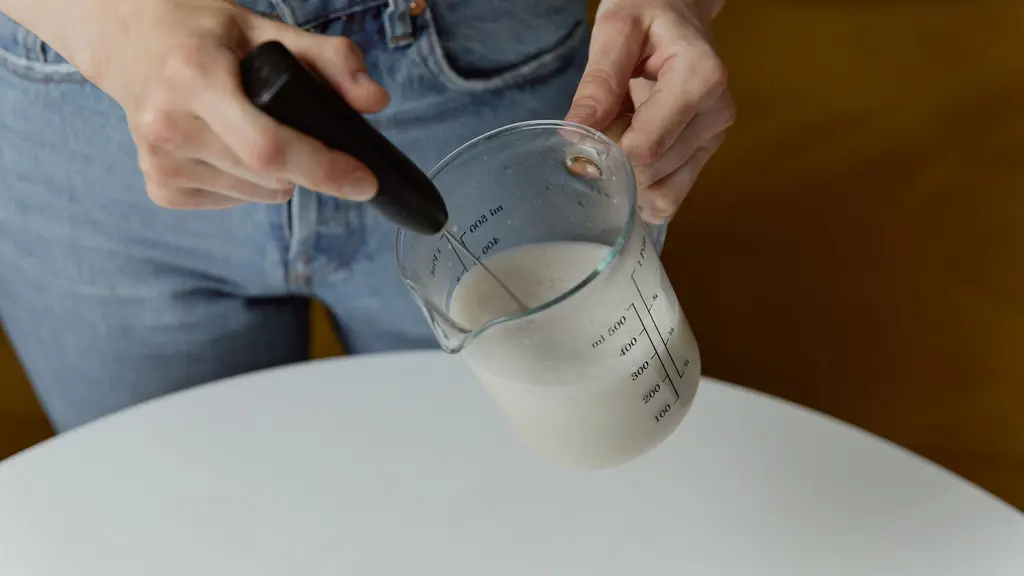
You don’t need an expensive coffee machine with a milk frother built in just to get a good cappuccino foam at home. A cappuccino is essentially espresso plus frothed milk, and if you already own a regular coffee machine like a drip or a Turkish maker, the fastest, cheapest fix is a standalone frother, manual or a simple electric one, which makes foam in under a minute. A combo machine with steam or self-grinding only pays off if you drink cappuccino daily and in real quantity.
The quick answer
A standalone milk frother, manual or a simple electric one, is enough for most homes that want cappuccino foam, and it costs far less than a full combo cappuccino or bean-to-cup machine. A combo machine only pays off if you drink cappuccino or latte daily and in real quantity and want to cut the steps to zero. If you own a drip or Turkish machine like our picks, it has no steam wand at all, so a frother is the practical fix.
Key takeaways
- A cappuccino is essentially espresso plus steamed and frothed milk on top, so there’s no need for one machine to do both jobs (cappuccino definition from Britannica).
- A standalone milk frother (a simple electric one or a manual whisk) makes decent foam in under a minute with zero skill required.
- Combo espresso and bean-to-cup machines have a real steam unit that gives smoother foam, at a much higher price.
- Drip and Turkish machines on our list (like BLACK+DECKER) have no steamer at all, so a standalone frother is the logical fix, not the expensive one (background on espresso machines and steam pressure from Britannica).
What a cappuccino actually is: espresso plus foam, not magic
A cappuccino is, at its core, a shot of espresso topped with steamed and frothed milk, which is what gives it that signature creamy texture. Many people assume they need one machine that “does the whole cappuccino,” without realizing the two parts are genuinely separate: espresso, or even strong regular coffee, on one side, and frothed milk on the other. Once you see it that way, the decision gets much easier.
A milk frother: the cheapest, fastest fix for most homes
If you already own a regular coffee machine like a drip or an electric Turkish maker, the simplest way to add milk foam is a standalone frother. The manual type, a simple spring whisk you work by hand in warm milk, is the cheapest option and stores in any drawer, and a small electric one does the same job faster at the press of a button. Either gives you good enough milk foam for a home cappuccino or latte, at a price that’s tiny next to a full combo machine. There’s no need to pay for an entire new machine to solve a step a small tool already handles.
So when does a combo machine actually pay off?
Espresso and bean-to-cup machines, like the Philips bean-to-cup on our list, have a real steam unit that heats and froths milk at the same time under pressure, giving you smoother foam closer to cafe results, and bean-to-cup models brew the coffee and the foam at one button. That’s worth it if your household drinks cappuccino or latte daily and in real quantity, wants the steps cut to zero, and is ready to pay the much bigger price gap for that convenience. If cappuccino is only an occasional treat, that gap won’t pay for itself.
Quick comparison: standalone frother or combo machine?
| Factor | Standalone milk frother | Combo cappuccino or bean-to-cup machine |
|---|---|---|
| Price | Cheapest option by a wide margin | Pricey, especially the automatic bean-to-cup class |
| Ease of use | One extra simple step each time | One button, done |
| Who it suits | Cappuccino now and then | Daily, heavy cappuccino or latte drinkers |
| Upkeep | Simple, easy to wash | Deeper routine cleaning of the steam or grinder unit |
So what should I actually do?
Start with one question: how many cappuccinos do you drink a week? If the answer is one or two, stick with a regular machine like our top pick for the best coffee machine in Egypt and add a simple milk frother, which saves you thousands of pounds versus a combo machine. If cappuccino is a daily habit for you, read our guide to choosing a coffee machine to understand the gap between the espresso and bean-to-cup classes. And if you haven’t even settled on drip or Turkish yet, see drip vs Turkish coffee maker.
Bottom line
You don’t need an expensive coffee machine with a milk frother built in just to enjoy good milk foam at home. A simple frother, manual or electric, solves it for most people at a tiny price. A combo machine only pays off if your daily consumption is genuinely high. Check current coffee machine prices in Egypt before you commit, compare capsule versus espresso in capsule vs espresso machine, and browse all the options in our coffee machines section.
Sources
- Britannica, “Cappuccino”, definition of the cappuccino and its parts (espresso and steamed, frothed milk): https://www.britannica.com/topic/cappuccino
- Britannica, “Espresso machines and brewing”, background on the steam and pressure mechanism in espresso machines: https://www.britannica.com/topic/espresso
This analysis is based on published information from Britannica (Cappuccino), Britannica (Espresso machines and brewing).
Frequently asked questions
Do I need a separate frother if I already have a drip or Turkish coffee maker?
Usually, yes. Drip and Turkish machines on our list, like the BLACK+DECKER Programmable Drip, have no steam wand or built-in frothing unit, so if you want cappuccino foam you need a separate manual or simple electric frother. That's far cheaper than switching to a bean-to-cup or espresso machine with a steamer.
Can I froth milk with no device at all?
Yes. Pour warm milk into a jar with a tight lid and shake it hard for about 30 seconds until it roughly doubles in volume and forms foam, or use a regular French press and pump the plunger up and down a few times. It's not identical to steam-wand foam, but it covers a simple home cappuccino.
Is the foam from a simple frother the same as cafe foam?
Close, but not quite the same. Real steam in espresso and bean-to-cup machines heats and froths milk at the same time under pressure, producing smoother, more stable foam. A simple electric frother makes good foam that's fine for daily use, just not with the same precision as a specialty cafe machine.
When does a combo cappuccino or bean-to-cup machine actually pay off?
If your household drinks cappuccino or latte daily and in real quantity, and you want to cut the steps to zero, one button instead of brewing coffee and frothing milk separately, then the price gap is worth it. If cappuccino is an occasional treat, a simple frother paired with your regular machine saves you far more money.