
 UAE
UAE  Saudi Arabia
  USA
USA Dough Mixer Sizes: How Many Liters Does Your Home Need?
We may earn a commission from purchases through our links, at no extra cost to you. How we choose · Disclosure.
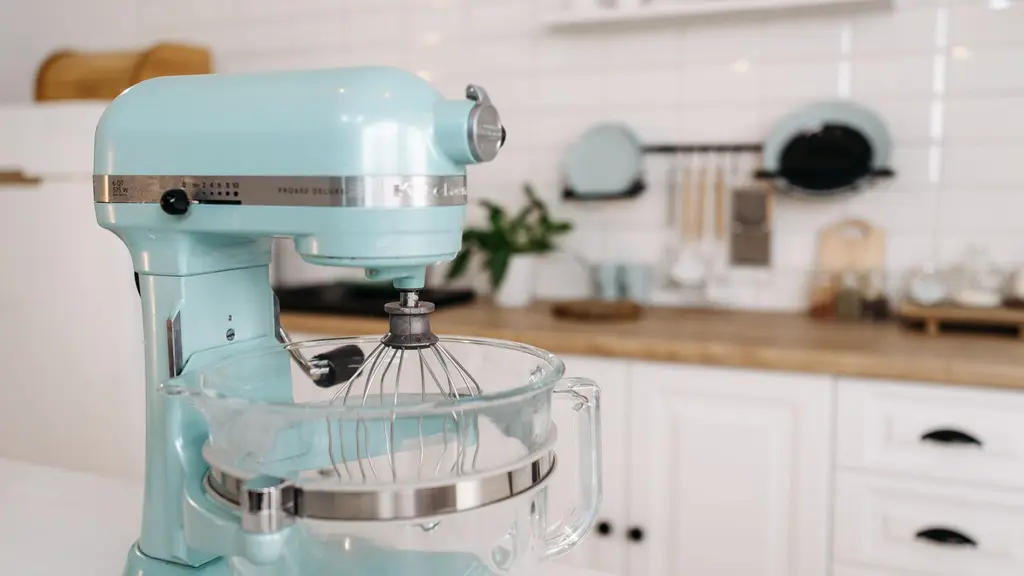
The first decision anyone shopping for a dough mixer in Egypt faces isn’t the brand, it’s the size: “how many liters do I get, and what does a 10 kg mixer even mean?” The trouble is that two measures get tangled together: the liters printed in the specs, and the kilograms the salesperson quotes. Let’s separate the two calmly so you choose the size that actually fits your kitchen, without paying for capacity you’ll never use.
The quick answer
A dough mixer’s real capacity is measured by bowl volume in liters, not by the kilogram talk. Liters are the official spec figure (4, 5, 6, 10 liters), while a “10 kg” or “20 kg” mixer is a trade description of the dough batch weight the motor can turn, closer to bakery work than home use. For most families, a 5L bowl is enough, a 6L gives extra room, and 10L is for large quantities on a regular basis.
Key takeaways
- Capacity is officially in liters, and the kilogram is a trade term. Liters measure the bowl volume; kilograms describe the flour or dough batch weight a mixer can turn, which is a convention rather than a standard unit.
- Kneading is heavy work that needs sustained torque to develop the gluten in dough, so size alone isn’t enough without a motor and gears that can take the quantity (definition of kneading from Britannica).
- A bigger bowl isn’t always better: put a small quantity in a large bowl and the attachment may not reach the ingredients, leaving part of the mix unblended.
- Planetary action mixes more thoroughly because the attachment spins on its own axis while orbiting the bowl at the same time (background on mixers from Britannica).
- Pick the capacity by the largest batch you make regularly, not by the biggest number available or the lowest price.
Liters vs kilograms in a dough mixer
This is the point that confuses buyers in Egypt most. When the specs say “5L bowl” or “10L,” that describes the bowl itself: how much it can hold. It’s an official, fixed figure you’ll find on the box and in the manufacturer’s catalog.
But when a seller says “this is a 10 kg mixer,” or 20 kg, or 30 kg, they’re describing something else: the weight of flour or dough the motor can turn in one go. That’s a common trade description, especially for bakery and shop mixers, not a standard unit, and it varies from one seller to another. So if someone tells you “10 kg,” ask about the bowl capacity in liters to get the real number.
The practical rule: at home, always compare in liters, and leave the kilogram talk for bakery mixers that turn batches by the dozen kilos.
Dough mixer sizing table: which capacity suits whom
Instead of guessing, here’s a quick map linking bowl capacity in liters to the type of use:
| Bowl capacity | Common name | Best for | Note |
|---|---|---|---|
| Under 4L | Small mixer | One or two people, small batches and quick whisking | The attachment may not reach very small quantities |
| 4 to 5L | Home mixer | A regular family: cake, pizza, bread dough | The best balance for most homes |
| 6 to 8L | Large family mixer | Frequent baking and bigger batches | Takes more counter space |
| 10L and up | ”10 kg” and larger | Gatherings, a small home business, large quantities regularly | Needs storage space and weighs more |
The table doesn’t say a larger capacity is “better,” it says there’s a capacity that fits your work. Choose by the largest batch you make regularly: if you bake once a week for the family, 5L is ideal; if you prepare for gatherings or sell baked goods from home, that’s when you move up to 10L.
Home vs a small bakery
The difference between what you need at home and what a small shop needs isn’t just bowl size, it’s also the nature of the work. A home mixer runs a batch or two a day, so a 1400 to 2000W motor with a 5L or 6L bowl is enough, and what matters most is that it’s easy to clean and store.
A small bakery, or someone selling baked goods from home, turns larger batches more often, so it needs an 8L or 10L bowl and a stronger motor that can take continuous running. Here torque matters more than the watt number alone, because repeatedly kneading heavy dough strains the motor and gears, and that work needs sustained rather than momentary power (definition of kneading from Britannica). If your work sits between the two, the 6L class is a sensible middle ground.
Why planetary action matters in large batches
The bigger the capacity, the more the attachment’s movement inside the bowl matters. In a planetary mixer, the attachment spins on its own axis while also orbiting the center of the bowl, like a planet around the sun, so it passes over every point in the bowl and mixes more thoroughly (background on mixers from Britannica).
This matters most in a large bowl: the bigger the bowl, the harder it is for a fixed-axis attachment to reach all the ingredients, so it can leave part of the mix unblended at the bottom or on the sides. Planetary action solves that, which is why it’s standard on larger mixers. If you want to understand the difference in detail, read planetary vs classic.
An example of large capacity
If your work genuinely needs the largest batch, the Arshia Planetary Mixer AS2504-417 with a 10L bowl and 2500W of power gives you the biggest capacity in its class, with planetary action that mixes more thoroughly and 6 speeds for consistency control. We didn’t pick it because the number is bigger, we picked it specifically for large quantities and gatherings where a small capacity won’t do, which is what earns it a spot in our guide to the best stand mixer in Egypt. On the other hand, its large size needs storage space and it costs more than the 5L and 6L class, so skip it if your batches are small. It is not sold at any store we cover, so if you need a large in-stock capacity right now, see the rest of our picks in the guide.
Choose your mixer size in a minute
- Work out the largest batch you make regularly, not the biggest one you made once in your life.
- Always compare in liters, and leave the kilogram talk for bakery mixers.
- For most homes start at 5L, step up to 6L if you bake a lot, and go to 10L only if you prepare for gatherings or sell baked goods from home.
- If you’re not sure you need a stand mixer at all, read stand mixer vs hand mixer, and for the all-in-one machine read what a kitchen machine is used for.
- Sort out the rest of the specs (the motor and gears, not just watts) from the guide on how to choose a stand mixer, and browse our stand mixers and kitchen machines section before you decide.
Bottom line
There’s no single “best” capacity for everyone, there’s a capacity that suits your work. Liters are the figure you compare, and the kilogram talk is a trade term you can leave to shop mixers. For most Egyptian homes a 5L is an ideal balance, a 6L gives extra room, and a 10L makes sense only if you bake in large quantities regularly. Choose by the largest batch you actually make, and remember that torque and gear quality weigh more than the watt number or capacity alone.
Sources
- Britannica, “Mixer (kitchen appliance)”, general background on mixers, their action types, and the attachments they use: https://www.britannica.com/technology/mixer-appliance
- Britannica, “Dough and kneading”, definition of the kneading process and why it needs sustained torque and pressure that strain small motors: https://www.britannica.com/topic/dough
This analysis is based on published information from Britannica (Mixer (kitchen appliance)), Britannica (Dough and kneading).
Frequently asked questions
Is a dough mixer measured in liters or kilograms?
Both, but each number describes something different. Bowl capacity is written in liters in the official specs (4, 5, 6, 10 liters), and that's the figure that matters at home. The kilogram talk (a 10, 20, or 30 kg mixer) is a common trade description of the batch weight, meaning the weight of flour or dough the motor can turn in one go. It's a commercial convention, not a standard unit of measurement.
How many liters are enough for a regular family?
For most homes, a 5L bowl covers the usual family batches of cake, pizza, and bread dough, and a 6L bowl gives you a little more room if you bake a lot. Under 4 liters suits small batches only, and above 8 liters makes sense if you prepare for gatherings or large quantities regularly.
What does a planetary mixer mean?
Planetary refers to how the attachment moves inside the bowl: it spins on its own axis while also orbiting the center of the bowl, like a planet around the sun. The result is that it passes over every point in the bowl and mixes more thoroughly, without you stopping to scrape and stir by hand, which is especially useful in large batches.
Is a bigger mixer always better?
No. If you put a small quantity in a large bowl, the attachment may not reach the ingredients well and can leave part of the mix unblended at the bottom. The large size also takes up counter space and weighs more. It's better to pick the capacity based on the largest batch you actually make regularly, not the biggest number available.