
 UAE
UAE  Saudi Arabia
  USA
USA Fan Electricity Consumption: How Much Does It Cost?
We may earn a commission from purchases through our links, at no extra cost to you. How we choose · Disclosure.
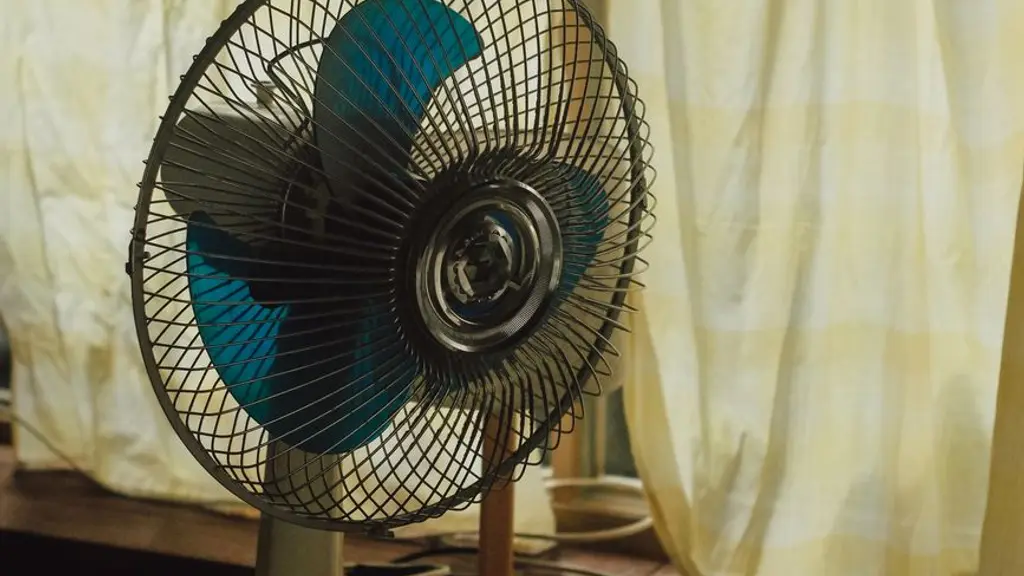
The most common question people ask before running a fan all summer is: does it eat a lot of electricity or not? The good news is that a fan is one of the cheapest cooling appliances in the house. Let’s work it out with the numbers.
The quick answer
Most stand fans draw roughly 45 to 70 watts, ceiling fans about 60 to 80 watts, desk and table fans 25 to 50 watts, and rechargeable fans much less. So a 60W stand fan running 8 hours a day uses about 14 kWh a month, which is under 50 EGP on most residential tariff bands, and often around half that if your band is a cheap one. Below we break down each type and do the EGP math step by step.
Key takeaways
- Watts measure how fast power is drawn, not the total cost. Cost = watts multiplied by hours of use, so a fan that’s slightly higher in wattage but runs fewer hours can end up cheaper on the bill.
- Every fan is in the cheap tier. Even the largest ceiling fan rarely tops 80 watts, far less than an air conditioner that pulls over a thousand watts on its own.
- Speed matters. A fan on the lowest speed draws less than at full speed, so sleeping on a quiet setting saves without you noticing.
- The gap between types is small. Stand, ceiling, or desk, they all cost a few pounds a month, so choose on room size and comfort, not the watt number alone.
How many watts does a fan use?
The wattage printed on a fan tells you how much power it pulls from the wall at full speed. But that isn’t the total consumption: real usage is measured in kilowatt-hours, which is watts multiplied by the number of hours the fan actually ran. That’s why a 70W ceiling fan that covers the whole room on a low speed can end up cheaper than a small desk fan running at full blast next to you all day.
The comparison with an air conditioner makes it clear: a fan draws tens of watts, an AC draws thousands. So even if you run the fan for long hours, its effect on the bill stays a tiny fraction of what the AC costs. If you’re comparing fan types instead, see the best ceiling fan if you’re weighing a ceiling model against a stand one.
Table: each fan type’s consumption and monthly cost
These figures are estimates based on 8 hours of use a day for 30 days, at an approximate price of about one and a half pounds per kilowatt-hour (a mid-to-upper tariff band). If your band is cheaper, roughly halve the cost:
| Fan type | Typical wattage (W) | Approx. monthly use (kWh) | Approx. monthly cost (EGP) |
|---|---|---|---|
| Small rechargeable fan | 5 - 25 | 1 - 6 | under 10 |
| Desk or table fan | 25 - 50 | 6 - 12 | 10 - 20 |
| Stand fan | 45 - 70 | 11 - 17 | 15 - 30 |
| Ceiling fan | 60 - 80 | 14 - 19 | 20 - 30 |
As you can see, every type stays cheap, and the difference between them on the bill is just a few pounds. The key point is that your hours of use matter more than the fan type itself. You can check current fan prices to weigh the purchase price against the running cost.
How to calculate your fan’s cost in EGP yourself
The math is simpler than you’d expect, and it gives you a realistic estimate instead of a guess:
- Convert watts to kilowatts: divide by 1000. So a 60W fan = 0.06 kilowatts.
- Multiply by hours of use per month: at 8 hours a day, that’s 240 hours a month. 0.06 × 240 = about 14 kilowatt-hours.
- Multiply by your price per kilowatt-hour: the result is the monthly cost in pounds. On most residential bands that comes out under 50 EGP a month, and often around half that if your band is a cheap one.
This estimate is approximate because the fan doesn’t pull maximum watts the whole time, especially on a quiet speed. But the point is clear: your hours of use and speed drive the bill far more than the watt number alone.
How to cut a fan’s consumption further
If you want to save every pound you can, focus on habits, not specs:
- Sleep on the lowest speed: the quiet setting draws less, and it’s usually enough while you sleep.
- Use the timer: if your fan has one, let it switch off an hour or two after you drift off instead of running until morning.
- Position it well: a fan in an open spot in the middle of the room cools better than one in a corner, so you can run it on a lower speed for the same feel.
- Match the size to your room: a fan bigger than you need spins at high speeds for no reason, and one too small stays on full the whole time. For the details see the how to choose a fan guide.
And if you’re thinking of upgrading to a quieter, more efficient fan, our full picks are based on specs, the consensus of buyer reviews, and local prices, and we’ll point you to them at the end.
Bottom line
A fan won’t make much difference to your bill no matter how much you run it. The largest ceiling fan draws about 80 watts, a normal stand fan is 45 to 70 watts, and the monthly cost at typical daily use stays under 50 EGP on most bands. To choose and run one well:
- Start from your daily hours of use, not the watt number, because that’s what drives the bill.
- Pick a size that fits your room, and sleep on a quiet speed with the timer on to save more.
- If you’re torn between the two, read ceiling vs stand fan.
- And when it’s time to buy, see our picks in the best stand fan guide, and browse all the options in the fans section.
Sources
- Britannica, “Fan”, background on the wattage of household fans and how they work: https://www.britannica.com/technology/fan-ventilating-device
- ENERGY STAR, “Ceiling fans”, information on ceiling fan consumption versus larger cooling appliances: https://www.energystar.gov/products/ceiling_fans
This analysis is based on published information from Britannica (Fan), ENERGY STAR (Ceiling fans).
Frequently asked questions
How many watts does a fan use?
It depends on the type. Most stand fans draw roughly 45 to 70 watts, ceiling fans about 60 to 80 watts, desk and table fans 25 to 50 watts, and rechargeable fans less, sometimes down to 5 watts. That number tells you how fast the fan pulls power at full speed, not its total cost.
Do fans use a lot of electricity?
No, they're among the cheapest cooling appliances to run. Even the largest ceiling fan rarely tops 80 watts, which is far less than an air conditioner pulling over a thousand watts on its own. A fan running 8 hours a day costs under 50 EGP a month on most tariff bands.
How do I work out a fan's running cost in EGP?
Convert watts to kilowatts (divide by 1000), multiply by hours of use per month to get kilowatt-hours, then multiply by your price per kilowatt-hour. For example, a 60W fan running 8 hours a day uses about 14 kWh a month, which is a small slice of the bill.
Which is cheaper to run, a stand fan or a ceiling fan?
Both are cheap and the gap is only a few pounds. A ceiling fan is usually a little higher in wattage because it moves a wider stream of air, but it covers the whole room so you can run it on a lower speed. The room size and hours of use matter far more than the small watt difference.
Does running a fan all night raise the bill?
It adds a little, but stays small. A fan on a quiet speed overnight might use about half a kilowatt-hour a night, so roughly a pound or less. If that worries you, use the timer so it switches off after you fall asleep, and run it on the lowest speed.