
 UAE
UAE  Saudi Arabia
  USA
USA Glass vs Stainless vs Plastic Kettles: Which Material Fits?
We may earn a commission from purchases through our links, at no extra cost to you. How we choose · Disclosure.
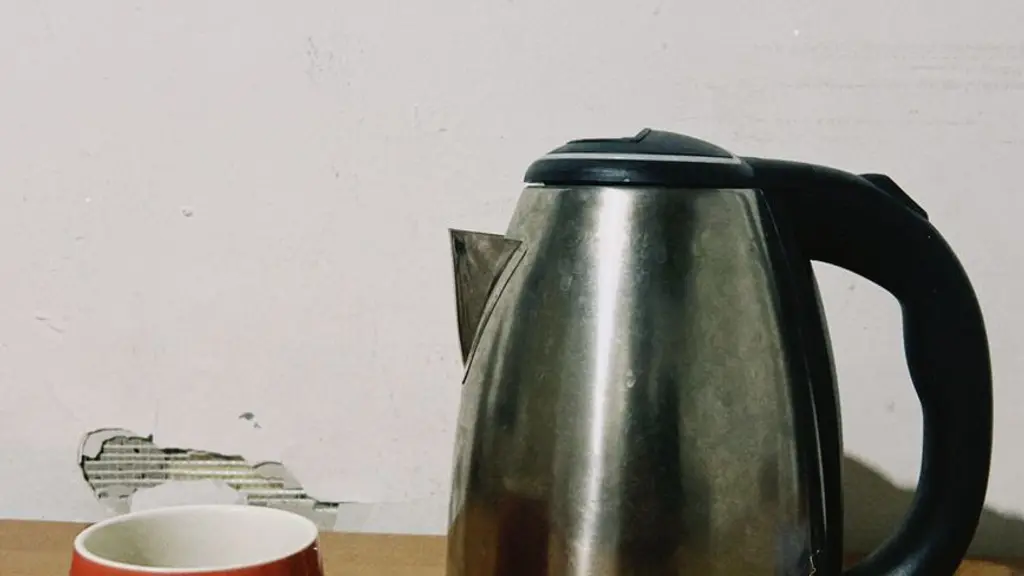
The quick answer is: stainless steel for toughness, glass for seeing water and scale, and plastic for lower weight and price in many cases. The real decision is not body material alone. You need to know what contacts the water, whether the base is accessible, and whether the lid and filter are easy to clean.
The quick answer
Choose stainless steel for daily durability when extra weight and exterior heat are acceptable. Choose glass when visible water level and limescale matter, and you can handle the vessel more gently. Choose plastic when lower weight and price lead, after checking the interior material clearly.
Stainless-steel kettles
Stainless steel resists knocks and suits frequent movement better than glass. Light mineral deposits are visible against the base, helping you spot when descaling is due. The trade-offs are an outer body that may become hot and a polished surface that can show fingerprints.
There is an important distinction: a Stainless Steel title does not necessarily describe every part inside the kettle. A lid, level window, or filter may use another material. The Philips HD9350/90 is an example with metal and stainless wording and leads the current best electric kettle ranking, but its frozen listing does not identify every water-contact surface.
Glass kettles
Glass lets you see water boil, check the fill level, and spot mineral deposits. Visibility does not mean less scale. Water marks and fingerprints appear more readily, and the vessel needs gentler handling to avoid knocks.
Inspect the base, lid, handle, and filter as well. The word Glass may describe only the main vessel. A filled glass kettle can also feel heavier than a plastic model, so consider who will lift it every day.
Plastic kettles
Plastic is often lighter and cheaper, and the outer body may be more comfortable to handle than exposed hot metal. The listing should still identify the interior and other water-contact parts clearly. Do not infer material from price, and do not assume a plastic exterior defines the complete interior design.
The Black & Decker JC70 in the current shortlist has a title naming plastic and a concealed coil. Those are separate facts: plastic describes the stated material, while the concealed coil describes access to the base. One does not automatically settle the other.
Which is easiest to clean?
Material matters, but opening size, base design, and filter access matter just as much. Glass and stainless steel make limescale visible, which helps inspection. A concealed element leaves a relatively flat base, while an exposed component creates more edges where deposits can collect.
With harder water, watch for a pale mineral layer and clean according to the manual. No single interval fits every home, and invented cleaner-cost figures are not useful. Use the electric kettle buying guide to check element design, safety, and limescale alongside material.
Practical comparison
- Stainless steel: durable, makes scale visible, and can become hot outside.
- Glass: shows water and scale, but reveals marks and needs gentler handling.
- Plastic: often lighter and cheaper, with a need for clear interior disclosure.
- Every type: inspect lid, filter, level window, and base instead of judging the body alone.
Final decision
No single material wins for everyone. Pick stainless steel for durability, glass for visibility, or plastic for weight and price, then confirm water-path materials and element design. Compare electric kettle prices or browse the electric kettles hub before buying.
Frequently asked questions
Is a glass kettle better than stainless steel?
Glass makes water and scale visible, while stainless steel is tougher in daily handling. Glass shows marks and needs gentler treatment; stainless steel can become hot outside. Choose around cleaning, weight, and use.
Is a plastic kettle safe?
Do not judge from the word plastic alone. Look for interior, lid, and filter materials, follow filling instructions, and check the manual. Exterior body material does not identify every part that contacts water.
Does stainless steel mean there is no plastic inside?
No. Stainless wording may refer to the body, while the lid, level window, or filter can use another material. The listing or manual must define the water path if that point is essential.
Which kettle material is easiest to descale?
Deposits are easy to see on glass and stainless steel, but cleaning also depends on lid opening, concealed-element design, and the pour filter. Material alone does not decide it.