
 UAE
UAE  Saudi Arabia
  USA
USA How to Clean an Ice Cream Maker Without a Mess
We may earn a commission from purchases through our links, at no extra cost to you. How we choose · Disclosure.
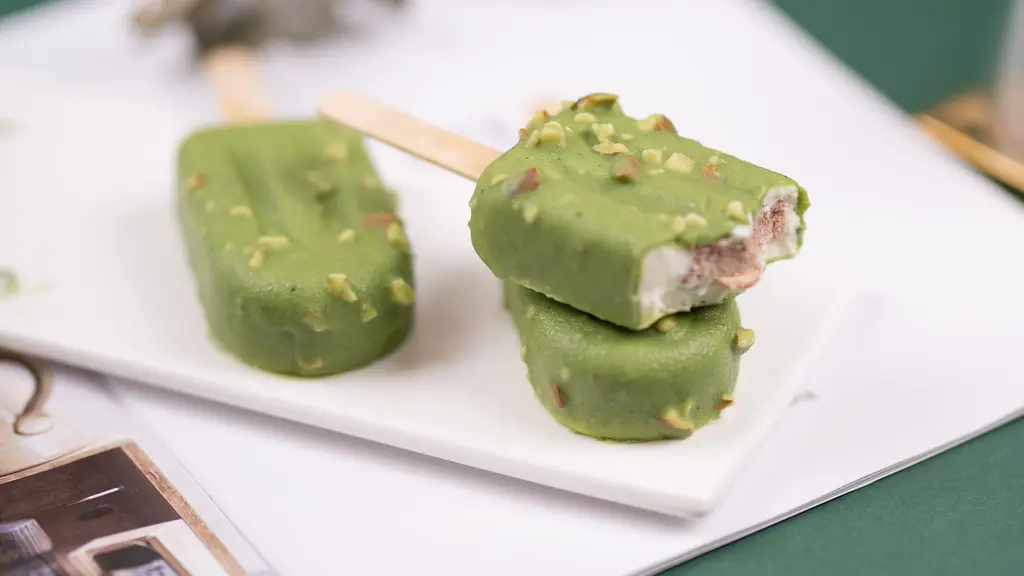
An ice cream maker is one of the most fun kitchen appliances for kids, but most people end up with a bowl and paddle stuck with hardened cream and sugar if left sitting for a while after use. The difference between a clean machine and a messy one isn’t hard, you just need the right order of steps, especially since the freezer bowl in most manual models has a different cleaning rule than the rest of the parts.
The quick answer
Wash the ice cream maker’s bowl and paddle right after every use with lukewarm water and dish soap, and soak any hardened cream or sugar residue instead of scrubbing hard. If the bowl is a freezer type (with a sealed coolant liquid inside), keep it completely away from hot water and the dishwasher, since it can be affected or crack. Dry everything well before storing so smell and moisture don’t build up.
Key takeaways
- Manual freezer bowls have a sealed coolant liquid inside their double wall (ice cream maker background from Britannica), which is why hot water and the dishwasher are off-limits for them.
- Ice cream mix is based on milk, cream, and sugar (ice cream background from Britannica), and dairy left to dry on a surface hardens and becomes difficult to clean, and can cause a smell.
- Cleaning right after use is far easier than cleaning later, since fresh cream comes off easily, while hardened residue needs soaking and patience.
- The paddle and removable parts are usually safe in lukewarm water, but check your model’s manual first before putting them in the dishwasher.
- The body of the machine (if it has a motor or compressor) must never be submerged in water, wipe it from the outside with a damp, well-wrung cloth only.
Why does an ice cream maker need cleaning right away?
Ice cream mix is based on milk, cream, and sugar, which means it’s a perfect surface for dairy residue to harden on quickly if left exposed to air. Dried cream on the bowl wall or the paddle’s teeth isn’t just hard to scrub off, it also causes a sour milk smell if left too long, and can affect the texture of the next batch if it isn’t removed properly.
The simple rule: wash the bowl and paddle right after finishing a batch, before the cream dries and hardens. A few minutes now saves you a long soak and a tiring scrub later.
Cleaning steps after every use
- Empty any leftover ice cream from the bowl right after use, don’t let it sit.
- Remove the paddle and any removable parts, and rinse them with lukewarm water first to remove most of the cream before it dries.
- Soak if there’s hardened residue: leave the bowl and paddle in lukewarm water and dish soap for 10 to 15 minutes, which loosens hardened cream and sugar without hard scrubbing.
- Wash with a soft sponge and regular dish soap, working the paddle’s teeth thoroughly since cream sticks there more than anywhere else.
- Wipe the body of the machine (motor or compressor) from the outside with a damp, well-wrung cloth only, staying away from any electrical part.
- Dry everything well before storing, especially if the bowl is going back in the freezer, since leftover moisture can cause frost spots.
The freezer bowl: why avoid hot water and the dishwasher?
The biggest difference between an ice cream maker and any other kitchen appliance is that the manual freezer bowl (the one you freeze before use) has a sealed coolant liquid inside its double wall. Hot water or a hot dishwasher cycle can affect that liquid or create tiny cracks in the bowl over time, which ruins its ability to freeze properly. Always wash it with lukewarm or cold water and soap only, and let it dry completely before putting it back in the freezer, since leftover moisture can create unwanted frost inside the freezer.
Machines with a self-freezing compressor (no bowl to pre-freeze) follow roughly the same rule: the bowl and paddle get hand washed, and the body with its motor and compressor gets wiped from the outside only.
Removing smells and stubborn residue
If the machine has developed a smell, the cause is almost certainly milk or cream that sat damp for too long in a corner or under the paddle. Try these steps:
- Deep wash the bowl and paddle with lukewarm water and soap, soaking for 15 minutes if the residue is set in.
- Check the paddle’s teeth carefully, since cream collects there more than anywhere else and it’s easy to miss during a quick wash.
- Air out after washing: let the parts air dry before storing them, instead of closing them away while still damp, so an extra damp smell doesn’t build up.
Avoid abrasives or steel wool on the bowl and paddle, since they can scratch the surface and make cream stick more easily next time.
A simple cleaning tool that reaches every corner
A small brush with soft bristles reaches the paddle’s teeth and the tight corners of the bowl more easily than a regular sponge, especially the spots where dried cream tends to collect. It’s not required, soaking and a sponge are enough most of the time, but if your family makes ice cream regularly, it’s a practical addition that saves scrubbing time and reaches spots a sponge can’t easily get into.
And if you’re still filling out the kids corner with a popcorn maker alongside the ice cream maker, note that the Fohere 3.5L that was our top pick lost its featured offer at the 11 August 2026 update and is a comparison reference now, while what carries a live offer today is a hot-air machine that runs without oil, meaning a lighter cleaning routine than a kettle running oil and sugar. See the available options in our guide to the best popcorn and ice cream maker in Egypt.
The featured offer was unavailable at the last update.
When to stop and call a technician
- A smell or stubborn residue remains after every removable part is washed and dried.
- The freezer bowl is scratched, cracked, or appears to be leaking.
- The paddle no longer sits or turns correctly after reassembly.
- The motor base has been exposed to water or no longer runs normally.
Stop using the ice cream maker and have it checked by a qualified technician before using it again.
Bottom line
Cleaning an ice cream maker isn’t complicated, but it does require acting fast before the cream dries. Wash the bowl and paddle right after every use, soak hardened residue instead of scrubbing hard, keep hot water and the dishwasher away from freezer bowls, and dry everything well before storing. If you’re still deciding whether to buy an ice cream maker at all, read is an ice cream maker worth it?, and if you also have a popcorn maker at home, see how to clean a popcorn maker and get rid of the smell. For more detail before you buy, check our how to choose kids appliances guide, and to browse all the options see the kids corner.
Sources
- Britannica, “Ice cream freezing process”, background on manual ice cream makers and sealed freezer bowls: https://www.britannica.com/topic/ice-cream
This analysis is based on published information from Britannica (Ice cream freezing process), Britannica (Ice cream).
Frequently asked questions
How often should I clean an ice cream maker?
The bowl and paddle should be washed right after every use, before leftover cream and sugar dry and harden on the walls. Wipe the outside of the machine (if it has a motor or compressor) after every use, and give all the parts a fuller check every couple of weeks depending on how heavily you use it.
Can I put a manual ice cream maker's freezer bowl in hot water or the dishwasher?
No, if it's a freezer bowl (with a sealed coolant liquid inside, as most manual models have). Hot water or a dishwasher cycle can affect the liquid inside the bowl or crack it. Wash it with lukewarm water and soap only, and dry it thoroughly before putting it back in the freezer.
How do I remove hardened cream and sugar residue from an ice cream maker bowl?
Soak the bowl and paddle in lukewarm water and dish soap for 10 to 15 minutes, which loosens hardened cream and sugar without hard scrubbing. If the residue is stubborn, soak again instead of using a metal tool or steel wool that scratches the surface.
How do I get rid of a bad smell from an ice cream maker?
The main cause is leftover milk or cream that sat damp for too long in a corner of the bowl or under the paddle. Wash the parts right after every use, dry them thoroughly before storing, and let them air out a bit before closing them away in a cupboard.