
 UAE
UAE  Saudi Arabia
  USA
USA Home Espresso Machine: Manual or Automatic?
We may earn a commission from purchases through our links, at no extra cost to you. How we choose · Disclosure.
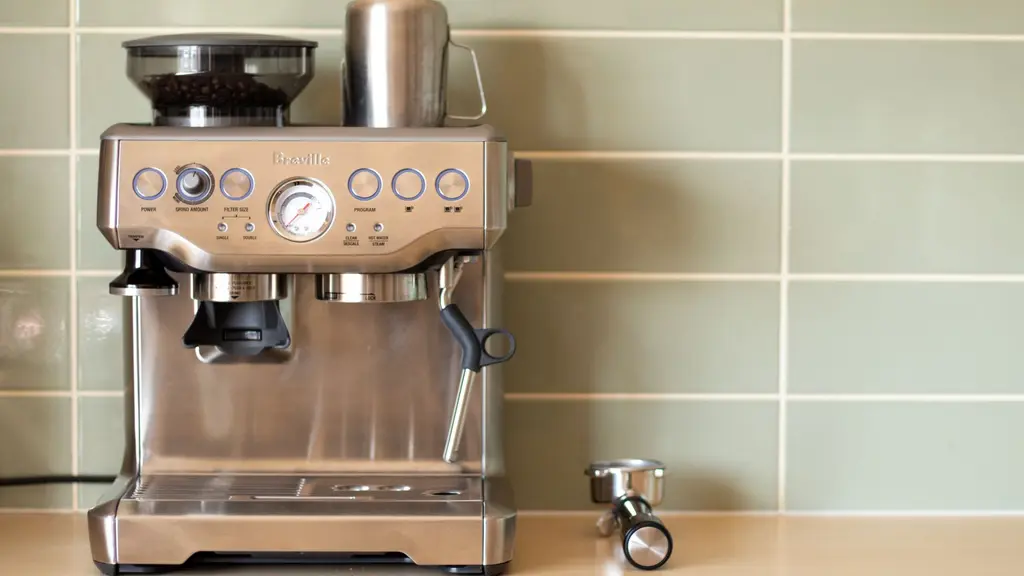
If you want real espresso at home, the key question before you buy is whether you want more control over the taste in exchange for a manual step, or one-button convenience for a much bigger price. A manual (semi-automatic) espresso machine like the Xiaomi or the De’Longhi needs pre-ground coffee and manual tamping at a much lower price, and an automatic bean-to-cup machine like the Philips grinds and brews at one button at a far higher price.
The quick answer
A manual (semi-automatic) espresso machine gives you full control over the coffee type and the grind size in exchange for learning to grind and tamp yourself, and it costs much less than an automatic. An automatic bean-to-cup machine grinds the beans and pulls the shot at one button with no manual steps, but it’s a far bigger investment. The practical rule: if your budget is tight or you enjoy the brewing ritual, go manual. If your daily consumption is high and you want maximum convenience, the automatic is worth the gap.
Key takeaways
- Espresso is brewed by forcing very high water pressure through a fine grind for a matter of seconds, which is what produces the signature crema (espresso machine from Britannica).
- A manual (semi-automatic) machine needs pre-ground coffee and manual tamping, giving you full control over the taste in exchange for more time and skill.
- An automatic bean-to-cup machine grinds the beans and pulls the shot at one button, so it’s faster and easier with no manual steps at all.
- The price gap between the two is very large, since the automatic packs a grinder and a full brewing system into one unit.
- Daily maintenance is simpler on the manual machine, while the bean-to-cup needs more involved routine internal cleaning.
Manual (semi-automatic) espresso: more control at a lower price
A manual pump espresso machine, like the Xiaomi Semi-Automatic Espresso Machine or the De’Longhi Dedica Style on our list, works on a simple idea: you put in coffee ground to an espresso-fine grind, tamp it yourself, and then the machine forces water through it under pressure to pull the crema. The result is that you control the coffee type, the grind size, and the dose, and you’re free to experiment with different beans. The trade-off is that you need to learn the steps first, especially the right grind and an even tamp, and it needs simple routine cleaning of the filter and the lines. Full details and current pricing are in our best coffee machine guide.
Automatic espresso (bean-to-cup): full convenience at a much higher price
An automatic bean-to-cup machine, like the Philips Fully-Automatic Bean-to-Cup on our list, takes every manual step off your hands: it grinds the beans and pulls the shot at one button, with no grinding or tamping required. This suits a household that drinks a lot of coffee daily and wants full consistency with zero effort. The trade-off is that it’s a much bigger investment than a manual machine, and it needs routine internal cleaning (the brewing unit) and a bigger commitment to its footprint.
Comparison table
| Criteria | Manual (semi-automatic) | Automatic (bean-to-cup) |
|---|---|---|
| Control over taste | Full: bean type, grind size, dose | Limited to the machine’s settings |
| Learning curve | Need to learn the grind and the tamp | One button, no experience needed |
| Starting price | Much lower | Much higher |
| Maintenance | Simple manual cleaning of filter and lines | More involved routine internal cleaning |
| Best for | Those who enjoy the ritual, tighter budget | High daily consumption, full convenience |
What if you don’t want espresso complexity at all?
If after all this you feel espresso, manual or automatic, isn’t going to be part of your daily routine, a simple drip machine covers the most common routine far more easily. The BLACK+DECKER Programmable Drip with an LCD display (≈ 3,200 EGP at the time of writing) is our top pick for a daily filter or Americano-style cup at the press of a button, with thousands of positive reviews.
Bottom line
If you want full control over the taste and your budget is tight or you enjoy the brewing ritual, manual espresso is the smarter call. If your household drinks a lot of coffee daily and you want one-button convenience and are ready to pay for it, an automatic bean-to-cup machine is worth the investment. Check the details of both in our best coffee machine guide and compare current coffee machine prices, and read our how to choose a coffee machine guide if you’re still deciding from scratch. And if you’re torn between capsule and espresso in the first place, see capsule vs espresso machine, or if your machine needs routine upkeep read how to descale and clean a coffee machine. To browse all the options, see our coffee machines section.
Sources
- Britannica, “Espresso machines and brewing”, how an espresso machine works by forcing high-pressure water through a fine grind: https://www.britannica.com/topic/espresso
This analysis is based on published information from Britannica (Espresso machines and brewing).
Frequently asked questions
What's the difference between a manual and an automatic espresso machine?
A manual (semi-automatic) machine like the Xiaomi or the De'Longhi needs pre-ground coffee and manual tamping, so it takes more time and skill but gives you full control over the taste. An automatic bean-to-cup machine like the Philips grinds the beans and pulls the shot at one button, so it's faster and easier but costs much more.
Which is cheaper, manual or automatic?
Manual (semi-automatic) is far cheaper at the point of purchase. An automatic bean-to-cup machine is a much bigger investment because it packs a grinder and a full automatic brewing system into one unit.
Is a bean-to-cup machine worth the price gap?
It's worth it if your household drinks a lot of coffee daily and you're ready to invest in one-button convenience and consistency. If your consumption is lower or you enjoy the grinding and tamping step yourself, a manual espresso machine gives you the same real-espresso idea at a much lower price.
Can I learn manual espresso easily?
Yes, you need to learn the right grind size and an even tamp, which takes time and a few tries at first, but it becomes a quick habit after that. The payoff is that you control the coffee type, the grind size, and the dose exactly how you like it.