
 UAE
UAE  Saudi Arabia
  USA
USA Vacuum Cleaner Not Working? What to Check First
We may earn a commission from purchases through our links, at no extra cost to you. How we choose · Disclosure.
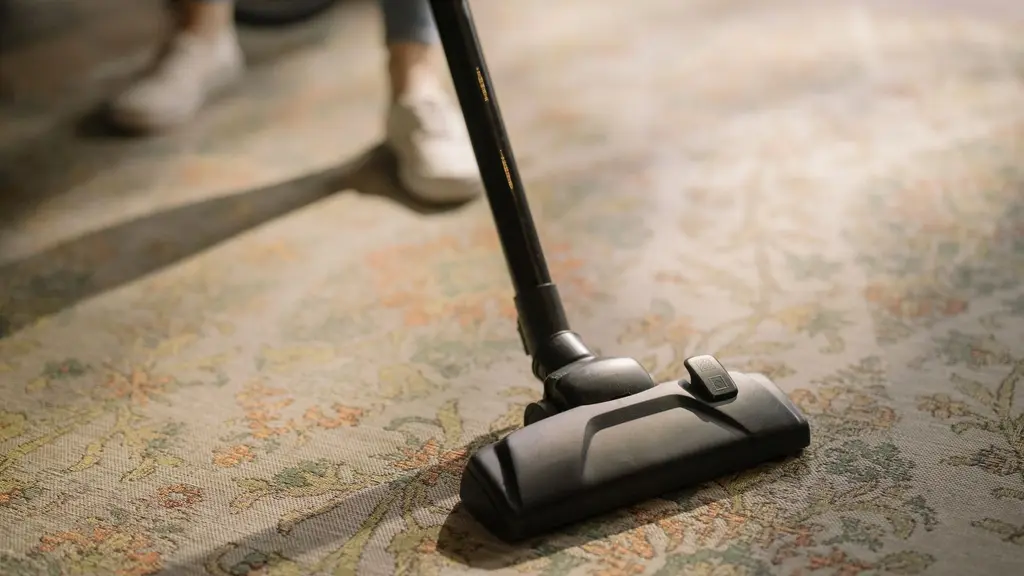
Separate no power, loss of suction and a stationary powered brush before choosing a check. Stop and unplug for burning, sparks, smoke, damaged wiring or unusual mechanical noise. Do not keep testing a machine with warning signs.
User checks have a boundary
With power disconnected, inspect only accessible items described in your manual. Do not open the electrical housing or bypass a safety device. A visibly damaged plug, cable or outlet needs qualified attention.
Philips low-suction support applicable to FC9350/62 lists the bag/bin, airflow obstructions, filters, fitted lid and settings as possible checks. It does not diagnose no suction as a drive-belt fault.
| Symptom | Manual-approved direction |
|---|---|
| No power | External condition, supply and fitted-parts guidance; service if unresolved |
| Low airflow | Bag/bin, accessible airflow path, filters and lid |
| Stationary powered brush | Exact head’s drive and user-care instructions |
| Repeated shutdown or persistent overheating | Stop and obtain qualified service |
Brushes and airflow are different systems
A brush-drive belt matters only if the exact head uses one. A stationary roller does not establish why suction is absent. Follow user-service instructions for that head or obtain qualified service, without automatic cover removal.
The FC9350/62 sheet lists a MultiClean nozzle; it does not establish a powered roller. See the floor-head distinction before following advice for another head.
Cooling is not a universal repair
Some models have resettable overheating protection. A thermal fuse is a different protective component; SCHOTT’s thermal-link guidance describes a non-repairable device that ordinary consumers should not replace. That source does not identify your vacuum’s circuit.
Stop, unplug and follow the exact cooling and restart instructions. Do not assume cooling repaired the fault. Philips overheating support directs persistent excessive heat to support; no universal restart period is supplied here.
Decide after diagnosis
If the fault remains, obtain a qualified repair quote and check warranty coverage and part availability. Compare that concrete proposal with a replacement meeting your needs. No automatic age or percentage threshold is justified for an unidentified fault. Keep the immediate stop rule for burning or unexplained odours.
Continue the buying decision
The featured cards retain their original price and availability checks. Use their Amazon.eg links to verify the offered unit and seller terms. This specification review does not confirm local warranty coverage. Compare the local shortlist, buying checklist and category hub.
This analysis is based on published information from Primary evidence linked in the article.
Frequently asked questions
What if the vacuum has no power?
Stop and unplug it. Check only external, manual-approved items such as visible cord damage and correctly fitted parts. Do not open the electrical housing, bypass protection or repeatedly reset a tripping supply. Seek qualified help when uncertain.
Can I restart it after a fixed cooling time?
There is no universal time. Some models have resettable overheat protection; a thermal fuse is different. Follow the exact model’s cooling and restart instructions. Repeated shutdown or persistent overheating needs qualified service.
Does a stopped brush explain loss of suction?
No. Airflow and brush drive are separate symptoms. A belt is relevant only to a head that actually uses one. Check the manual rather than automatically removing a cover.
When should I replace instead of repair?
First obtain a diagnosis and qualified repair quote. Compare coverage, parts, repair terms and replacement costs. Age alone or a fixed price percentage cannot decide the value of an unknown repair.