
 UAE
UAE  Saudi Arabia
  USA
USA What to Look for Before Buying a Refrigerator: 6 Key Checks
We may earn a commission from purchases through our links, at no extra cost to you. How we choose · Disclosure.
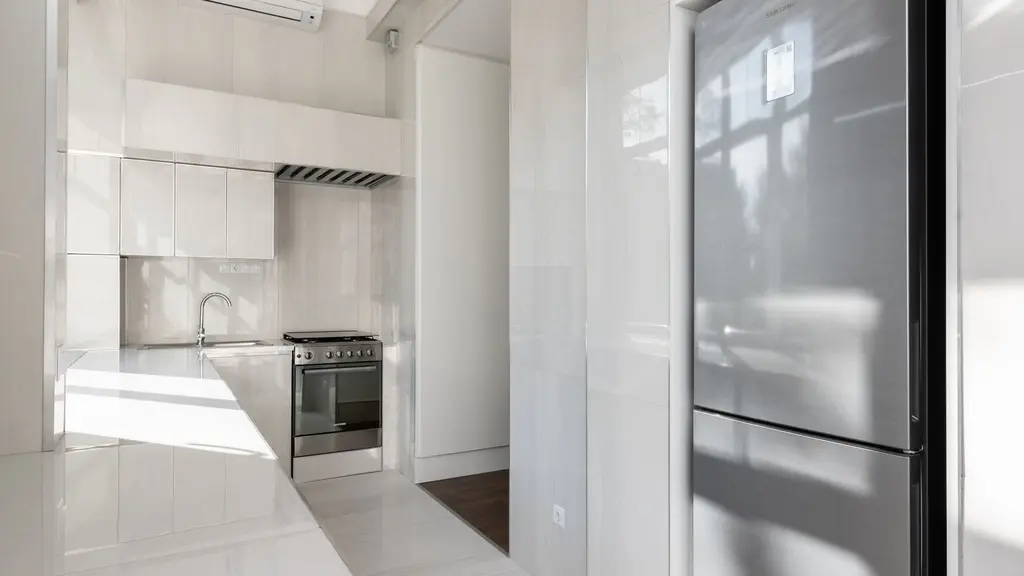
What should you look for when buying a refrigerator? Capacity in litres against your household size, layout (top-mount, bottom-freezer, French-door), no-frost versus regular cooling, warranty and local service, and the unit’s actual dimensions against your kitchen space. Just six criteria, but skip one and you’ll likely regret it within a month or two, not a year.
The quick answer
Before buying any refrigerator, confirm capacity (matched to your household, not the biggest number available), layout (top-mount, bottom-freezer, or French-door depending on which compartment you open most), no-frost (saves you manual defrosting), warranty and local service, and the unit’s real dimensions against your kitchen space. Just six things actually matter, and everything else (color, exterior styling) is a nice-to-have, not a priority.
6 things to check before you decide
- Capacity in litres against your household: a single person is covered by a 45L mini fridge, a family of two to four does best around 340L to 411L, and above 400L suits large or bulk-shopping households.
- Layout: top-mount is cheaper and classic, bottom-freezer puts the fresh-food compartment at eye level, and French-door gives wider shelves at a higher price.
- No-frost versus regular: no-frost prevents ice buildup and saves you manual defrosting, the biggest daily-comfort difference after the first couple of months of use.
- Warranty and local service: a refrigerator runs 24 hours a day, so ask the seller what warranty, service and parts cover the exact model before you buy.
- Actual dimensions: measure the height, width, and depth of the space available in your kitchen, and compare it to the model’s dimensions, not just the litre figure (refrigerator classification from Britannica).
- Real buyer reviews: a decent number of reviews averaging positive is a stronger signal than any marketing description in the listing.
Capacity: the first decision you make
Before anything else, figure out how many people will eat from this fridge daily. That’s not a minor detail, it decides whether you’ll shop every other day (smaller capacity) or once a week (bigger capacity), and whether the freezer can actually hold what you stock. A refrigerator that’s too small forces constant restocking and cramped shelves, and one that’s too big costs you money and kitchen space with no real benefit.
Layout: not just looks, it’s daily use
Ask yourself one question: do you reach for the fresh-food compartment or the freezer more? If it’s fresh food, bottom-freezer is more comfortable since it sits at eye level. If it doesn’t matter much to you, top-mount saves you money. If you entertain often, French-door gives you wider shelves that earn their extra cost.
No-frost: the detail that matters after the first couple of months
Every refrigerator cools, but no-frost is what genuinely changes the day-to-day experience once you’ve settled into using the appliance. A regular fridge needs periodic manual defrosting, a chore most people put off until the freezer gets clogged with ice. No-frost circulates cold air inside the unit so ice never builds up in the first place.
Warranty and local service: not a minor detail
A refrigerator is one of the few appliances that runs 24 hours a day, all year, so any fault genuinely affects your daily life. Ask about the warranty in detail, and check a brand’s local service reputation before you buy, not after something breaks.
A working example that checks all these boxes
The Samsung RB34 No-Frost at 340L is a working example that balances all six criteria: a capacity suited to a small to medium family, a bottom-freezer layout that eases daily use, and no-frost cooling that saves you defrosting. It’s also the most-reviewed model among our picks with over 200 ratings, a strong signal that the day-to-day experience holds up. That’s why it tops our guide to the best refrigerator in Egypt.
See the Samsung RB34 price on Amazon.eg ↗
Table: the criterion and why it matters
| Criterion | Why it matters | If you ignore it |
|---|---|---|
| Capacity in litres | Decides shopping frequency and storage room | Cramped shelves or constant restocking |
| Layout | Decides daily comfort of use | Reaching for the compartment you use most |
| No-frost | Saves manual defrosting | A maintenance chore you’ll keep putting off |
| Warranty and service | Cuts downtime if something breaks | Weeks waiting for a spare part |
| Actual dimensions | Ensures it fits your kitchen at all | A delivery-day fitting problem |
Bottom line
Before buying a refrigerator, go through these six criteria in order: capacity, layout, no-frost, warranty and service, actual dimensions, and buyer reviews. Everything else is secondary. If you want a working example that checks all these boxes, the Samsung RB34 no-frost is our top pick. If you’re unsure what size you actually need, read our refrigerator size guide, and to compare all the layouts see best type of refrigerator. If budget is your priority, read best budget refrigerator or our full how to choose a refrigerator guide. To browse every option, see refrigerators in Egypt.
Sources
- Britannica, “Refrigeration”, classification of refrigerator types and cooling criteria: https://www.britannica.com/technology/refrigeration
This analysis is based on published information from Britannica (Refrigeration).
Frequently asked questions
What's the most important thing to check before buying a refrigerator?
Capacity in litres against your household size. That's what decides whether you'll shop every other day or once a week, and whether the freezer can actually hold what you need. Every other criterion (layout, no-frost, brand) comes after you've settled on the right capacity.
Should I bother measuring the actual dimensions before buying?
Yes, it matters. The litre number alone doesn't tell you the width, depth, and height, and a large-capacity unit might not fit through the door or the space you have in the kitchen. Measure the available space and compare it to the model's dimensions before you decide, not after delivery.
Do warranty and local service really make a difference?
Yes, because a refrigerator runs 24 hours a day all year, and any fault needs a nearby technician and available parts, not a weeks-long wait. We publish nothing about any brand's service network in Egypt, because we have not verified one ourselves, so ask the seller what service and parts cover the exact model breaks after the warranty ends.
Should I always buy no-frost, or is a regular fridge ever the better fit?
No-frost is more comfortable for most people because it saves you manual defrosting. A regular (frost-accumulating) fridge can be an acceptable choice only if your budget is very tight and you're willing to defrost the freezer by hand periodically.