
 UAE
UAE  Saudi Arabia
  USA
USA Dust Mites at Home: How to Actually Reduce Them
We may earn a commission from purchases through our links, at no extra cost to you. How we choose · Disclosure.
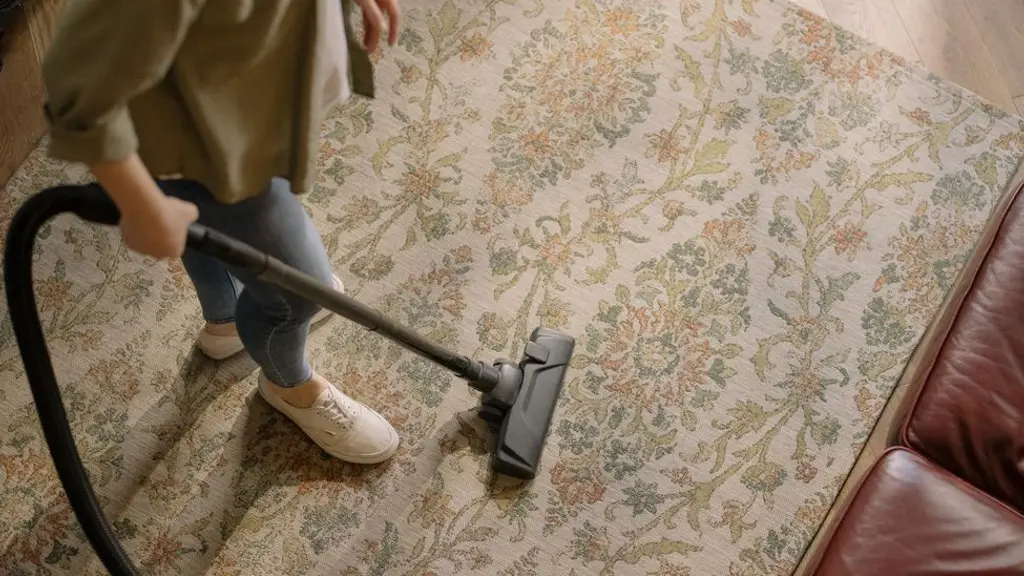
Bedding care, dust reduction and humidity management aim to reduce exposure; they do not guarantee symptom relief. EPA’s asthma-trigger guidance recommends weekly vacuuming of carpets and furniture and says people with asthma or allergies should leave the area being vacuumed. Discuss persistent or severe symptoms with a healthcare professional.
Build a routine around the home
Dust mites are associated with bedding and upholstered surfaces. EPA recommends washing bedding weekly and using dust-proof mattress and pillow covers. Follow each fabric’s care label for washing and drying. We do not claim that a cooler wash removes only visible dirt or prescribe a universal temperature against that label.
Include humidity management in the routine rather than relying on vacuuming alone. Check dampness and the conditions in the room; this article does not promise that a particular routine eliminates mites or predicts your symptom response.
| Area | Practical step | Evidence boundary |
|---|---|---|
| Bedding | Weekly washing, care-label instructions and dust-proof covers | No guaranteed symptom result |
| Carpet and furniture | Weekly vacuuming; affected people leave the area | No advice to increase self-vacuuming for severe symptoms |
| Humidity | Address damp conditions as part of the home routine | No appliance efficacy figure supplied |
| Vacuum care | Exact-model filters and maintenance instructions | A filter grade alone is not clinical evidence |
What a filter specification tells you
The Philips FC9350/62 sheet specifies Allergy H13 exhaust filtration and a separate washable motor filter. It does not establish the health effect of buying that vacuum. Nor do we have independent whole-machine leakage evidence here.
Philips filter care distinguishes non-washable pleated EPA/HEPA/allergy elements from washable foam, which must dry fully before refitting. Follow the actual part’s instructions and replacement requirements.
The separate accessory card names a Roborock S7 replacement kit. It is not an FC9350/62 replacement filter, and no compatibility with the Philips model is established. Check the exact appliance and part number before purchasing any filter. For the larger maintenance decision, see bagged and bagless upkeep.
Continue the buying decision
The featured cards retain their original price and availability checks. Use their Amazon.eg links to verify the offered unit and seller terms. This specification review does not confirm local warranty coverage. Compare the local shortlist, buying checklist and category hub.
This analysis is based on published information from Primary evidence linked in the article.
Frequently asked questions
Do home-care measures guarantee symptom relief?
No. They aim to reduce exposure. Discuss persistent or severe symptoms with a healthcare professional rather than relying on a vacuum specification as treatment evidence.
How should I care for bedding?
EPA recommends weekly bedding washing and dust-proof mattress and pillow covers. Follow fabric care labels for washing and drying; do not assume cooler washing removes only visible dirt.
Should people with asthma or allergies do more vacuuming?
EPA advises weekly vacuuming of carpets and furniture and says affected people should leave the area being vacuumed. Symptom severity is not a reason here to prescribe more self-vacuuming.
Does the Philips Allergy H13 filter establish a health benefit?
No. It is the manufacturer’s exhaust-filter specification. It does not establish an individual health outcome or independently measured whole-machine leakage.