
 UAE
UAE  Saudi Arabia
  USA
USA How to Reduce Dust at Home: A 4-Step System
We may earn a commission from purchases through our links, at no extra cost to you. How we choose · Disclosure.
Want to cut down the dust in your apartment? The short version: dust isn’t removed by wiping, it’s removed by a four-step system. Stop it at the entry (seal window and door gaps, time when you open them), capture it with a microfiber cloth working top to bottom, remove it with a HEPA-filter vacuum once a week instead of a broom that throws dust back into the air, and filter the air itself if anyone has allergies. Do all four and the dust genuinely drops; lean on wiping and sweeping alone and you’ll keep going in circles.
Key takeaways
- Not all dust comes from outside. Some is skin cells, fabric fibres, and hair from inside; some is street dust, sand, and exhaust arriving through windows, doors, clothes, and shoes.
- A feather duster and a broom move dust, they don’t remove it. The fine dust flies up and settles again, while a HEPA-filter vacuum is what traps it inside.
- Order matters: clean top to bottom and leave the floor for last, so the dust that falls off shelves gets picked up at the end.
- Timing is a weapon in khamaseen season. Close the windows during windy, dusty hours, and air out early morning or at night when the air settles.
- An air purifier helps with airborne particles (and eases allergy sufferers), but it doesn’t remove dust settled on surfaces. That’s the job of wiping and vacuuming.
Why your apartment collects so much dust
Before fighting dust, know where it comes from. In Egypt the air is dry most of the year, so dust stays suspended and flies around, the streets carry sand and exhaust, and construction or bare ground pushes out grit constantly.
In khamaseen season (roughly March to May), sand-laden winds sweep across the country and get in through any opening. A low floor or busy main road piles up dust far faster than a high floor on a quiet street, because you’re closer to the grit and exhaust. An open balcony is a big entry point too: dust that lands on it blows in with the first gust. Each has a practical fix in the system below.
The 4-step system for reducing dust
Instead of chasing dust daily, organise it into four steps: stop it, capture it, remove it, filter it. Each step cuts the work in the next.
1) Stop it at the entry
The easiest dust never gets in:
- Seal door and window gaps. A gap under the apartment door lets stairwell dust in all day; a cheap draft strip or a rolled cloth fixes it.
- Put a mat at the door, one outside and one inside if you can. Most dust rides in under shoes, and taking shoes off at the door cuts down how much spreads around.
- Time when you open the windows. On a dusty day or during khamaseen winds, keep them closed, and air the place out early morning or at night when the air is calmer.
- Mind the balcony. Mop it with water instead of sweeping (which throws dust inside), and don’t shake rugs or bedcovers into air that blows back in.
2) Capture it, don’t scatter it
This is the biggest mistake. A feather duster and a dry cloth swirl dust into the air, and it settles back half an hour later. The move is to capture dust, not scatter it:
- Use a microfiber cloth (lightly dry or slightly damp). Its fibres attract and hold the dust instead of spreading it.
- Clean top to bottom: shelves, cabinets, and lampshades first, floor last, so any dust that falls is picked up in the final pass.
- Wash the cloth after cleaning, don’t shake it out into the air.
3) Remove it with a vacuum, not a broom
A broom is fine for big debris outdoors, but indoors it creates a cloud of fine dust that drifts back and settles again. A good vacuum sucks dust up and traps it inside, on one condition: a good filter.
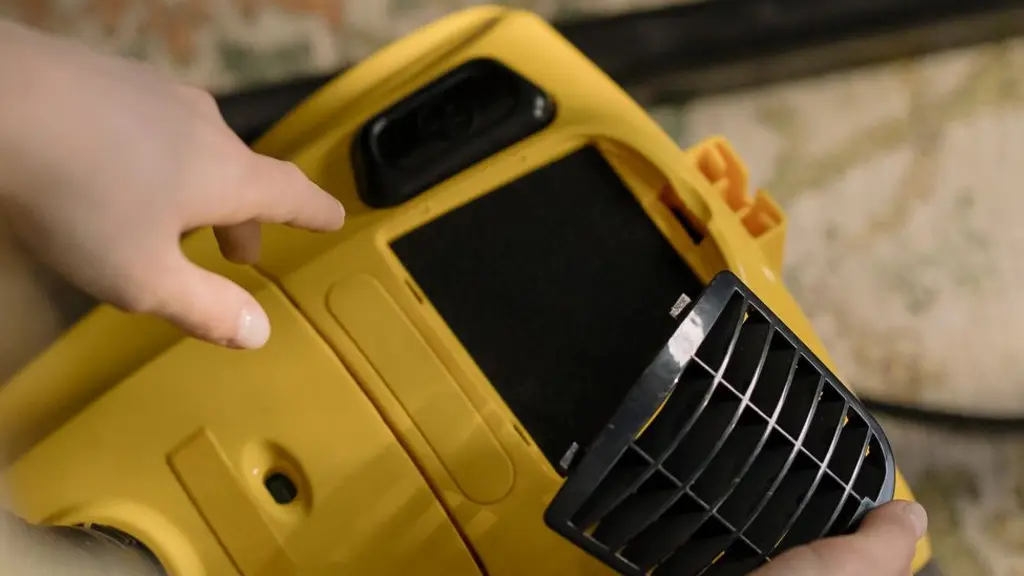
- Look for a vacuum with a real HEPA filter, which traps fine particles, pollen, and dust mites instead of blowing them back into the air. The details are in the HEPA filter guide.
- Vacuum at least once a week, more often with pets, kids, or an apartment on a busy street.
- Clean or replace the filter on time. A dirty filter sends dust back into the air with every pass, so you lose the main benefit.
- For carpets and rugs, regular vacuuming stops the grit build-up that cuts into the fibres. To go deeper, see carpet cleaning and washing.
If anyone has allergies or asthma, the vacuum choice matters even more, and there are specific picks in the best vacuum for allergies guide. Keep in mind a dusty apartment wears the vacuum down faster too: filters and bags clog sooner, which is the most common reason suction weakens, as we cover in vacuum lost suction? the real causes and fixes.
4) Filter the air itself, if you need to
The three steps above handle dust on surfaces. An air purifier handles something different: particles still suspended in the air. It’s useful if someone has allergies or asthma, or if your apartment faces a busy main road.
But a purifier isn’t a substitute for cleaning: dust on the table and floor is removed by wiping and vacuuming, not the device. It’s the complementary step, not the first.
What each method does to dust
| Method | What it does to dust | Best when |
|---|---|---|
| Broom (dry sweeping) | Throws some fine dust back into the air | Balcony and rough outdoor floors, not inside rooms |
| Damp microfiber wiping | Captures and removes dust without scattering it | Surfaces and smooth floors, about twice a week |
| HEPA-filter vacuum | Sucks dust up and traps it inside | Carpets, rugs, and under furniture, weekly and up |
| Air purifier | Pulls suspended particles out of the air | Allergies or asthma, or an apartment on a main road |
These aren’t options where you pick one, they’re layers: the better you do the earlier steps, the less work after.
Mistakes that add dust without you noticing
- The feather duster: it swirls dust into the air and returns it, rather than removing it.
- Sweeping in a closed room: it creates a cloud of fine dust that settles on everything.
- Cleaning the floor before the shelves: it makes you do the job twice.
- Shaking rugs and bedcovers indoors: the dust spreads through all the indoor air.
- Ignoring the vacuum filter: a dirty one sends dust back into the air with every pass.
When it’s time to upgrade the vacuum
The vacuum is the heart of the system, the one tool that actually traps dust rather than scattering it. If yours is old, weak, or has no HEPA filter, when it’s time to replace it see our picks for every budget and type in the best vacuum cleaner in Egypt guide, and browse the rest in the vacuum cleaners section. A good filter changes how much dust stays in your home more than any other device.
Bottom line
Reducing dust isn’t about a clever cloth, it’s a system in four stages: stop it at the entry, capture it with microfiber top to bottom, remove it with a HEPA-filter vacuum instead of a broom, and filter the air if there are allergies or you’re near a main road. Do all four with light regularity, and your apartment collects far less dust while the cleaning gets easier.
Sources
- US EPA, “What is a HEPA filter”, the HEPA filter standard and its efficiency at trapping fine particles (99.97% at 0.3 microns): https://www.epa.gov/indoor-air-quality-iaq/what-hepa-filter
- US EPA, “Sources of indoor particulate matter”, the components of house dust and its indoor and outdoor sources: https://www.epa.gov/indoor-air-quality-iaq/sources-indoor-particulate-matter-pm
- US EPA, “Guide to air cleaners in the home”, how air purifiers work and their role with suspended particles: https://www.epa.gov/indoor-air-quality-iaq/guide-air-cleaners-home
This analysis is based on published information from US EPA (What is a HEPA filter), US EPA (Sources of indoor particulate matter), US EPA (Guide to air cleaners in the home).
Frequently asked questions
Why does dust come back so fast no matter how much I clean?
Because most people move dust rather than remove it. A feather duster and a broom throw fine dust into the air, and it settles back onto surfaces a little later. The fix is to capture dust with a damp microfiber cloth or a HEPA-filter vacuum that traps it inside, and to clean from top to bottom so whatever falls off the shelves gets picked up last.
Vacuum or broom, which is better for reducing dust?
A HEPA-filter vacuum is much better indoors. A broom sweeps up big debris but creates a cloud of fine dust that drifts back into the air and settles again, so it spreads dust around more than it removes it. Keep the broom for the balcony and rough outdoor floors, and rely on a vacuum and damp wiping inside.
Does an air purifier actually reduce dust?
It helps with particles suspended in the air, like fine dust and pollen, which eases things for allergy and asthma sufferers. But it is not a substitute for cleaning: dust settled on surfaces and floors is removed by wiping and vacuuming, not by the device. A purifier is most useful if someone at home has allergies or your apartment faces a main road.
How do I reduce khamaseen dust coming through the windows?
On windy, dusty days keep the windows and doors closed, and seal any gap under the door with a draft strip or a rolled cloth. Air the place out early in the morning or at night when the air is calmer, not during the storm. And wipe the window ledges and balcony with a damp cloth after they collect dust, so they don't become a source that feeds the apartment again.
How often should I clean to keep dust down?
Vacuum floors and carpets once a week, more often if you have pets, kids, or your apartment is on a busy street. Damp-wipe surfaces about twice a week. Consistency matters most: light, regular cleaning keeps dust down better than a deep clean once a month.