
 UAE
UAE  Saudi Arabia
  USA
USA Gas Water Heater Safety: Avoiding Leaks and CO Poisoning
We may earn a commission from purchases through our links, at no extra cost to you. How we choose · Disclosure.
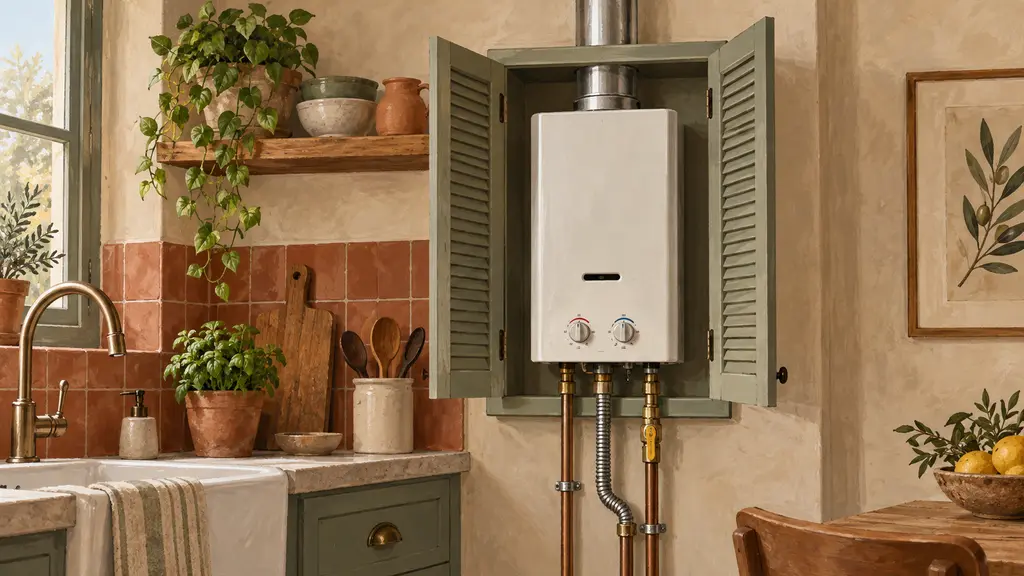
A gas water heater is perfectly safe when it’s installed and maintained correctly, and the real risk isn’t the gas itself, it’s poor ventilation. Burning gas consumes oxygen from the air, and in a sealed room that produces carbon monoxide, a colorless, odorless gas that builds up without anyone noticing. The fix isn’t avoiding gas heaters, it’s making sure ventilation, maintenance, and safety features are all in place.
The quick answer
A gas water heater needs good natural ventilation or a flue that vents exhaust outside, and should never be installed in a small, fully sealed bathroom. Confirm it has flame failure protection and oxygen depletion protection, and have a licensed technician service it regularly. If you notice a gas smell or unusual dizziness, shut the valve, open the windows, and get outside immediately. And if ventilation isn’t a sure thing in your home, an electric storage heater removes the issue entirely.
Key points
- Burning gas consumes oxygen and produces carbon monoxide, an odorless, colorless gas that’s dangerous precisely because it builds up with no obvious warning (carbon monoxide poisoning background from US CDC).
- Good ventilation, natural or via a flue, is the single biggest safety factor, more than the type of heater itself.
- Flame failure protection and oxygen depletion protection should be present on any modern gas water heater.
- Regular maintenance catches leaks and faults early, before they turn into a serious problem.
- The simplest alternative if ventilation isn’t guaranteed is an electric heater, with no combustion and no exhaust at all (water heating background from ENERGY STAR).
Why ventilation is the single biggest factor in gas water heater safety
A gas water heater burns natural gas to heat water, and that combustion consumes oxygen from the room’s air and produces exhaust gases that include carbon monoxide. If the room lacks adequate ventilation (a window, a permanent vent opening, or a flue), that exhaust stays trapped inside instead of venting out, and oxygen levels gradually drop. The bigger problem is that carbon monoxide has no color and no smell, so there’s no natural warning signal beyond physical symptoms like headache and dizziness, which often show up later than you’d want. That’s why the safe code is clear: a gas water heater needs permanent natural ventilation or a flue that vents exhaust outside, not a small, fully sealed bathroom.
Gas leak warning signs you shouldn’t ignore
- A distinctive smell like rotten eggs. Natural gas itself is odorless, but an odorant is added on purpose so a leak is easy to notice.
- A faint hissing sound near a gas connection or the unit itself.
- Dizziness, headache, or nausea while inside the room for no clear reason, especially if you feel better once you step outside.
- The flame color shifts from its normal blue to yellow or orange, a sign of incomplete combustion that can be a warning.
If you notice any of these signs, shut the main gas valve immediately, open the windows, get outside, and stay well away from any electrical switch, lighter, or possible spark source. Call your gas provider or a licensed technician, and don’t go back in until you’re sure the leak is resolved.
Safety features worth confirming on a gas water heater
Modern certified gas water heaters typically come with two core safety features:
- Flame failure device: if the flame goes out for any reason (a draft, a temporary gas dip, etc.), the unit automatically cuts the gas supply instead of letting it keep leaking unburned.
- Oxygen depletion sensor (ODS): it monitors oxygen levels in the air and automatically shuts the heater off if the level drops below a safe threshold, before concentrations reach a dangerous point.
These two features aren’t a luxury, they’re the baseline for safety in any gas heater installed in a relatively enclosed space like an apartment. Confirm they’re present at purchase time, and make sure whoever installs the unit is an experienced, licensed technician, not just someone who knows basic plumbing.
The regular maintenance that keeps you protected
- Visually check gas connections and the hose periodically, looking for signs of rust, cracking, or excess softness in the hose.
- Don’t delay cleaning or replacing a filter or burner if a technician recommends it, since rust or dust buildup affects complete combustion.
- Don’t ignore a change in flame color or an unusual smell, that’s the first sign of an issue that needs a technician.
- Have a licensed technician inspect the unit at least once a year, especially if the heater is older or installed in a small space.
If you want to take the thinking out of ventilation and maintenance schedules entirely, a gas leak detector alarm sounds a loud alert if it senses an abnormal gas concentration in the room, a simple practical addition you can install near the heater or in the bathroom itself as an extra layer of protection, not a replacement for proper ventilation and maintenance.
If ventilation worries you, electric removes the issue entirely
If your home’s ventilation is weak or you’re not confident in the current installation, the simplest fix is skipping gas entirely and going with an electric storage heater. A practical example from our shortlist: the Fresh Relax 50L heats water entirely on electricity with no combustion, no exhaust, and no need for a flue, and its install needs only power and water. It isn’t the ideal swap in every case (running it on electricity costs more on the bill than gas), but if safety and peace of mind matter more to you than the bill difference, it’s a practical option, which is why it tops our guide to the best electric water heater in Egypt. You’ll find its current price and the Amazon link in the card below.
Bottom line
A gas water heater is very safe when it’s installed correctly with good ventilation and working flame failure and oxygen depletion protection, plus regular servicing by a licensed technician. The danger isn’t the gas itself, it’s poor ventilation or delayed maintenance. If you notice a gas smell or unusual dizziness, shut the valve and get outside immediately. And if ventilation isn’t a sure thing in your home, or you’d rather avoid the whole issue, an electric storage heater gives you a simple alternative with no combustion at all. If you haven’t decided between gas and electric yet, read gas vs electric water heater, and see the best gas water heater in Egypt if you have a gas line and your mind is set on it. To choose well from the start, read our how to choose a water heater guide or browse our water heaters section.
Sources
- US CDC, “Carbon monoxide poisoning basics”, background on carbon monoxide, poisoning symptoms, and common causes like poorly ventilated combustion appliances: https://www.cdc.gov/carbon-monoxide/about/index.html
- ENERGY STAR, “Residential water heater types”, background on water heater types and how gas heaters work compared to electric: https://www.energystar.gov/products/water_heaters/residential_water_heaters_key_product_criteria
This analysis is based on published information from US CDC (Carbon monoxide poisoning basics), ENERGY STAR (Residential water heater types).
Frequently asked questions
Is a gas water heater inside the bathroom dangerous?
It becomes dangerous when ventilation is weak or nonexistent, because burning gas consumes oxygen from the air and produces carbon monoxide, an odorless gas that builds up in an enclosed space. The safe code is to install a gas water heater somewhere with good natural ventilation or a flue that vents the exhaust outside, not in a small, fully sealed bathroom.
How do I know if a gas water heater is leaking?
Warning signs include a distinct gas smell (like rotten eggs, an odorant added on purpose so you can notice a leak), a faint hissing sound near fittings, or feeling dizzy or getting a headache while inside the room for no clear reason. If you notice any of these, shut the main gas valve immediately, open the windows, get outside, stay away from any electrical switch or lighter, and call a licensed gas technician.
What safety features should a gas water heater have?
Two matter most: a flame failure device (which automatically cuts the gas supply if the flame goes out for any reason, so gas doesn't keep leaking unburned), and oxygen depletion protection (which shuts the heater off automatically if oxygen levels in the room drop below a safe threshold). Modern certified heaters usually include both, and it's worth confirming at purchase and install time.
Can I skip a gas water heater entirely and go electric instead?
Yes, if ventilation worries you or there's no gas line in your home to begin with. An electric storage heater only needs power and water, with no ventilation or flue requirements at all, making it a practical alternative if you want to avoid the gas concerns entirely.