
 UAE
UAE  Saudi Arabia
  USA
USA Glass vs Plastic Blender Jug: Which Is Better for Your Kitchen?
We may earn a commission from purchases through our links, at no extra cost to you. How we choose · Disclosure.
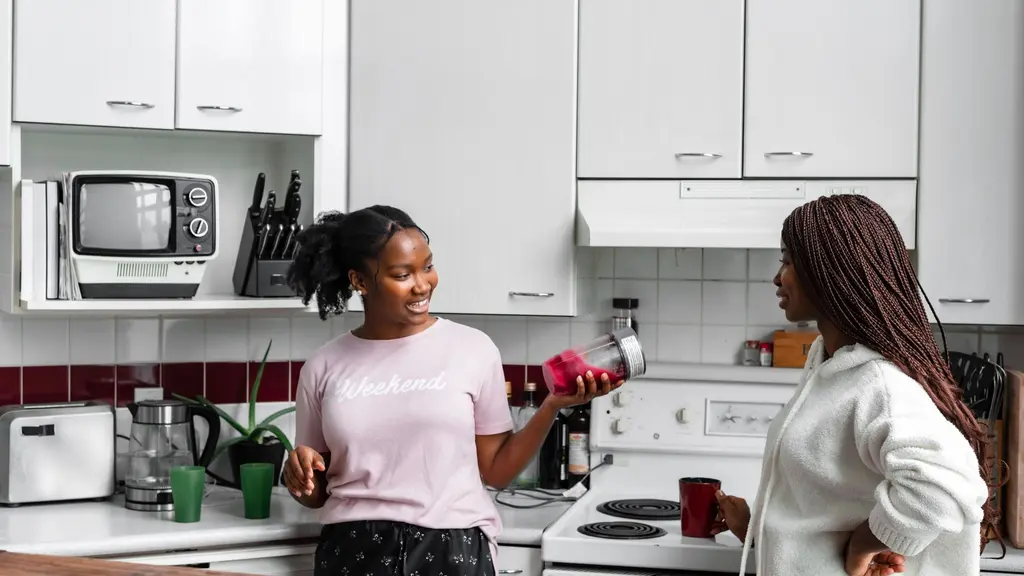
The moment you stand in front of the blender shelf, the same question keeps coming up: do I take the one with the glass jug or the one with the plastic jug? The difference isn’t just looks or price, it affects how heavy the blender is, how clean it stays, how it smells, and how long it lasts. Let’s break it down point by point so you can choose right without regretting it.
The quick answer
A glass jug wins on hygiene, heat resistance, and long-term durability, while a plastic (Tritan) jug wins on lightness, price, and resistance to breaking. If you blend hot things often or want a jug that stays clear for years, go glass. If you want a light, cheap blender that you won’t be lifting and storing constantly, plastic will serve you fine.
Key takeaways
- Glass has a non-porous surface, so it doesn’t absorb smells or stain from juices and sauces, and it stays clear even after years of use.
- Plastic scratches and absorbs smells over time, and those small scratches trap food residue and increase the chance of odours, which is the core hygiene difference between the two.
- Glass handles hot drinks and sudden temperature changes better than most plastics, so it’s the better fit if you make hot soup or pour something warm into the jug.
- Plastic is far lighter and much harder to break, so if you lift and store the jug often or there are kids in the home, it lowers the chance of accidents.
- Both work well at blending itself, the difference isn’t in blending power (which depends on the motor and blade) but in the jug material and the daily experience, and the blender itself is a machine that blends and purées ingredients inside the jug, per the blender definition from Britannica.
The difference in hygiene and smells
This is the point people feel most after months of use. Plastic is slightly porous, meaning it absorbs oils and strong smells like garlic, onion, curry, and spices. Blend a minty drink today, and tomorrow’s juice may carry a faint leftover scent. Glass is the exact opposite: its surface is smooth and non-porous, so it doesn’t absorb any smell or colour, and it comes out clean with a simple rinse.
Scratches matter too. Over time, the blade and hard ingredients leave fine scratches on plastic, and those scratches trap food residue that makes a full clean harder and raises the chance of odours and bacteria. Glass is harder and resists scratching, so its surface stays smoother and cleaner for much longer.
The difference in weight and breakage
Here plastic clearly wins. A glass jug is heavier, and that shows when you lift it full and pour, or when you take it out and put it back in the cupboard every day. If your hand tires quickly or you use the blender many times a day, that lightness matters.
Breakage matters as well: a glass jug dropped on tile will usually shatter, while plastic survives the fall. If there are kids helping in the kitchen, or your kitchen is small and you move around it quickly, plastic removes that worry. That’s why many people prefer plastic for fast daily use and glass for the core recipes that warrant a bit more care.
The difference in heat resistance
If you blend hot things, this difference can be the deciding one. Glass handles hot drinks and sudden temperature swings better than most plastics. You can pour a warm soup or something hot into a glass jug with more peace of mind.
The modern plastic in most blenders is now Tritan, which is tougher and cleaner-smelling than older plastics and tolerates reasonable heat, but it stays less heat-tolerant than glass for boiling liquids, and it can be affected or develop odours if repeatedly exposed to high heat. The safe rule: let hot food cool a little before blending, especially if your jug is plastic. Note that this heat concern is specific to a jug blender; a handheld immersion blender works directly inside the pot in a different way, per the immersion blender definition from Britannica.
Quick comparison table
| Criterion | Glass jug | Plastic jug (Tritan) |
|---|---|---|
| Weight | Heavier | Much lighter |
| Break resistance | Can shatter if dropped | Survives a drop |
| Scratches | Resists scratching | Scratches over time |
| Smell absorption | Doesn’t absorb | Absorbs over long use |
| Heat resistance | High | Reasonable, lower than glass |
| Price | A little pricier | Usually cheaper |
| Best for | Durability and hot things | Lightness and fast daily use |
So how do I choose for my use?
If you make daily juices and smoothies and want a light, practical blender you’re not worried about dropping, a plastic (Tritan) jug will serve you and save on price. If you blend hot soup, or want a jug that stays clear and smell-free for years, or you’re after long-term durability, the glass jug is your pick.
And here’s an honest note: none of the picks we currently verify has a listing that states a glass jug, so the glass advice above still stands, but the pick we link to has a plastic jug per its listing. If glass is a hard requirement for you, confirm the jug material on the product page before you buy.
That pick is the Moulinex Super Smoothie LM207128 at 700W with a 2L jug and two attachments, rated 4.2 of 5 across 78 ratings as of August 2026, and it tops our guide to the best blender in Egypt. You’ll find its current price and the Amazon link in the card below.
Bottom line
In the end, there’s no wrong type and right type, just the one that suits your use. Glass for hygiene, heat resistance, and durability; plastic for lightness, price, and break resistance. Weigh your priorities first, then choose. If you’re still deciding between models, see our guide on how to choose a blender to go step by step, and browse our blenders section. And if you’re torn between a blender and other devices, read blender vs mixer, or if smoothies are your main job, see the best blender for smoothies.
Sources
- Britannica, “Blender”, definition of the blender and how it blends and purées ingredients inside the jug: https://www.britannica.com/dictionary/blender
This analysis is based on published information from Britannica (Blender).
Frequently asked questions
Is a glass or plastic blender jug better?
There's no single answer that fits everyone, it depends on your use. A glass jug stays clear, resists scratches, doesn't absorb smells, and handles hot liquids better, but it's heavier and can shatter if dropped. A plastic (Tritan) jug is lighter, cheaper, and won't break, but it scratches and absorbs smells over time. If you blend hot things often or want durability for years, go glass. If lightness and price matter more, go plastic.
Can I blend something hot in a plastic jug?
It's best to avoid it, or let the food cool a little first. Most modern plastic jugs are made of Tritan and tolerate reasonable heat, but boiling liquids can affect the plastic or cause odours over time. Glass handles sudden temperature changes better, so if you make hot soup often, glass is the safer choice.
Why does a plastic jug start to smell after a while?
Because plastic is slightly porous, it absorbs oils and strong smells like garlic, onion, and spices over time, and the tiny scratches on its surface make it worse by trapping residue. Glass has a non-porous surface, so it doesn't absorb or hold on to smells.
Is a Tritan jug safe and BPA-free?
Tritan is a common plastic in modern jugs, marketed as BPA-free with cleaner odour and better durability than older plastics. If the jug is labelled Tritan or BPA-free, it's a reassuring choice for daily use on that front, though it remains less heat-tolerant than glass.