
 UAE
UAE  Saudi Arabia
  USA
USA Blender vs Mixer: What Does Each One Actually Do?
We may earn a commission from purchases through our links, at no extra cost to you. How we choose · Disclosure.
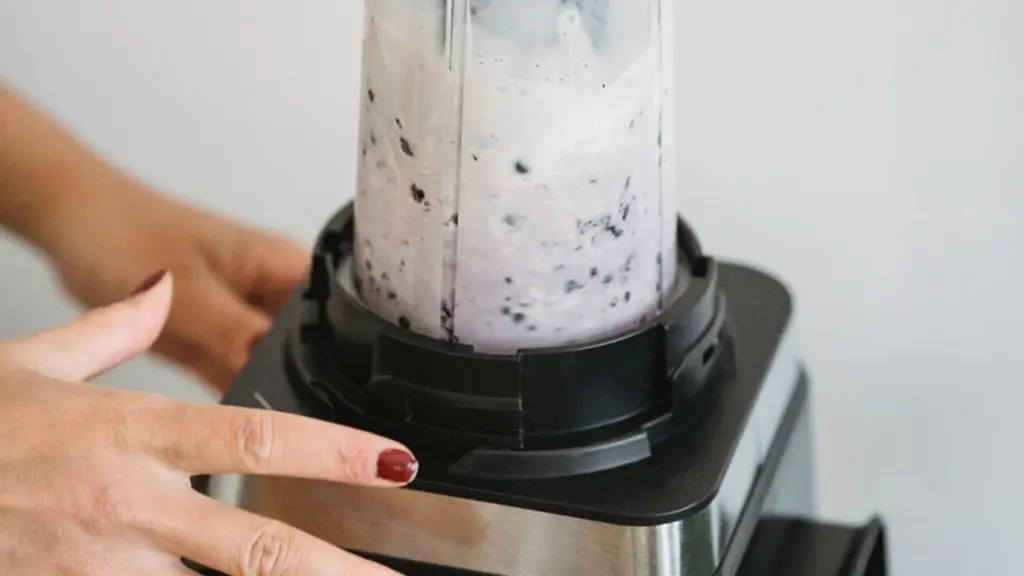
A lot of people mix up “blender” and “mixer,” assume they’re two names for the same machine, and end up buying one when they needed the other. The difference isn’t just the shape, it’s what each machine is built to do from the ground up: one grinds liquids, one whisks and kneads, and a third dips straight into the pot. Let’s untangle it slowly so you choose right the first time.
The quick answer
The blender grinds liquids and smoothies, the mixer whisks and kneads, and the hand blender blends right inside the pot. If you make juice, smoothies, soup, and sauces, you need a blender. If you bake and whip eggs and cream, you need a mixer. The hand blender is extra convenience for hot soup and small amounts, not a substitute for either one.
Key takeaways
- A blender works with a fast-spinning blade to grind and liquefy, so it’s the king of liquids and semi-liquids (blender definition from Britannica).
- A mixer works with beaters or a dough hook, whose job is to fold air into a mixture or knead, not to grind, so it’s the baking-and-cream machine.
- An immersion blender is a stick you dip into the pot directly, ideal for blending soup while it’s still hot without transferring it (immersion blender definition from Britannica).
- Don’t expect one machine to do the other’s work: a blender won’t whisk eggs, and a mixer won’t make you a smooth smoothie. Each one is specialized.
- Most homes start with the blender because it’s used more often day to day, then add a mixer once baking becomes a steady habit.
The blender: king of liquids and smoothies
A blender is a machine with a motor in the base, a tall jug on top, and a blade at the bottom of that jug spinning at very high speed. That speed creates a vortex that pulls the ingredients down onto the blade, grinding and liquefying them to a smooth texture. That’s why a blender excels at anything with liquid in it: juice, smoothies, and milkshakes, blended soup, sauces and dressings, and even crushing ice if the motor and blade are strong enough.
What a blender does not do: it won’t whisk eggs to a light, airy texture, it won’t knead a cohesive dough, and it won’t cut vegetables into neat cubes. The blade grinds and liquefies, it doesn’t fold in air or knead. If that’s what you need, you need a different machine. And before you pick a blender, if you’re torn between it and a food processor, the difference is laid out in blender vs food processor.
The mixer: king of whisking and dough
A mixer is a completely different idea. Instead of a grinding blade, it comes with wire beaters (a whisk) that fold air into the mixture to whip eggs and cream into a light, airy texture, or a dough hook that turns and folds the dough so it comes together. Mixers come in two types: a small hand mixer you hold, and a stand mixer that runs on its own and handles heavy dough.
Mixer uses: whisking egg whites for meringue, whipping cream (chantilly), mixing cake and cookie batter, kneading bread and pizza dough. In short, anything that involves baking or whisking is the mixer’s job. But it won’t make you juice, a smoothie, or blended soup, that’s the blender’s territory.
The immersion blender: convenience inside the pot
There’s a third type that confuses people, the immersion blender (or hand blender). It’s a long stick with a small blade at the tip that you hold and dip directly into the pot, pan, or any container. Its main advantage is blending right inside the vessel, so it’s ideal for pureeing soup while it’s still hot on the stove without pouring it into a jug and back, and for making purees, sauces, and mayonnaise in small amounts (immersion blender definition from Britannica).
An immersion blender is lighter, smaller, and easier to wash than a jug blender, and it takes up far less storage space. In exchange, it has less power and capacity, so it won’t grind large batches of smoothie or crush ice like a full blender. Think of it as a handy complement, not a replacement.
Quick comparison: which one for what?
To make the picture clear in a single table:
| Machine | What it does | Best for | What it won’t do |
|---|---|---|---|
| Jug blender | Grinds and liquefies at high speed | Juice, smoothies, soup, sauce, crushing ice | Whisking eggs, kneading, neat chopping |
| Mixer | Whisks and kneads (folds air / folds dough) | Cake, cream, meringue, bread dough | Liquids, smoothies, blended soup |
| Immersion blender | Blends right inside the container | Hot soup, purees, sauces, small amounts | Large batches and heavy blending |
The simple rule: liquid and smoothie → blender. Baking and whisking → mixer. Soup in the pot and small amounts → hand blender. If you’re still unsure about the details of choosing the blender itself (power, jug, blade), the guide on how to choose a blender walks you through it step by step.
So what do I start with in my kitchen?
If you’re starting from scratch and your budget is for one machine, start with the blender, because it’s the most-used in an everyday Egyptian home: juices, smoothies, soups, and sauces. A practical example of a blender that balances price and use: the Moulinex Super Smoothie LM207128 with a 2L jug and 700W, and it comes with two attachments that cover part of the grinding and prep work, rated 4.2 of 5 across 78 ratings as of August 2026. We didn’t pick it because it “does everything” (it is a jug blender, so it won’t whisk eggs or knead), we picked it because it’s a solid blender at a reasonable price that covers most liquid needs, which is what earns it the top spot in our guide to the best blender in Egypt. You’ll find its current price and the Amazon link in the card below.
Once the blender is in the kitchen, if you find yourself baking a lot, that’s when you add a mixer. And if you make a lot of soup, the immersion blender is a cheap, convenient addition.
Read your needs in a minute
- Ask yourself: do you make more liquids (juice/smoothie/soup) or more baked goods (cake/dough/cream)? That decides blender vs mixer.
- If both, rank by priority and let what you do most often be the first purchase (usually the blender).
- If you make soup and sauces in small amounts often, consider an immersion blender as a cheap complement.
- If you chose the blender, set the jug capacity and right power from the how to choose a blender guide, and if smoothies are your main job see the best blender for smoothies.
- Don’t judge by the watt number alone, the details are in the blender watts myth, and browse our blenders section.
Sources
- Britannica, “Blender”, definition of the blender and how it grinds and liquefies liquids with a spinning blade: https://www.britannica.com/dictionary/blender
This analysis is based on published information from Britannica (Blender).
Frequently asked questions
What's the core difference between a blender and a mixer?
A blender uses a fast-spinning blade to grind and blend liquids and semi-liquids: juice, smoothies, soup, sauces. A mixer uses beaters or a dough hook to fold air into a mixture or to knead: whisking eggs and cream, mixing cake batter, kneading bread. The blender grinds, the mixer whisks and kneads, and these are two completely different jobs.
Should I buy a blender or a mixer first?
It depends on what you make most. If you make juices, smoothies, soups, and sauces daily, the blender matters more. If you bake a lot (cakes, cookies, dough) or whip cream and eggs, the mixer matters more. Most homes start with the blender because it's the more frequent everyday tool, then add a mixer once baking becomes a habit.
What's an immersion (hand) blender, and when do I need one?
An immersion blender is a stick with a small blade at the tip that you dip straight into the pot or bowl. It's great for blending soup while it's still hot without pouring it into a jug, and for purees or sauces in small amounts. It's lighter and easier to clean than a jug blender, but it has less power and capacity, so it isn't a replacement for a full blender on big smoothie jobs.
Can a blender whisk eggs or knead like a mixer?
No. A blender's blade grinds and chops at high speed, so if you put eggs in it you'll grind them rather than whisk them to a light, airy texture, and it has no dough hook so it won't knead a cohesive dough. If you need whisking or kneading, that's the mixer's job (or a food processor), not the blender's.