
 UAE
UAE  Saudi Arabia
  USA
USA The Cheapest Good Blender in Egypt: What to Look For
We may earn a commission from purchases through our links, at no extra cost to you. How we choose · Disclosure.
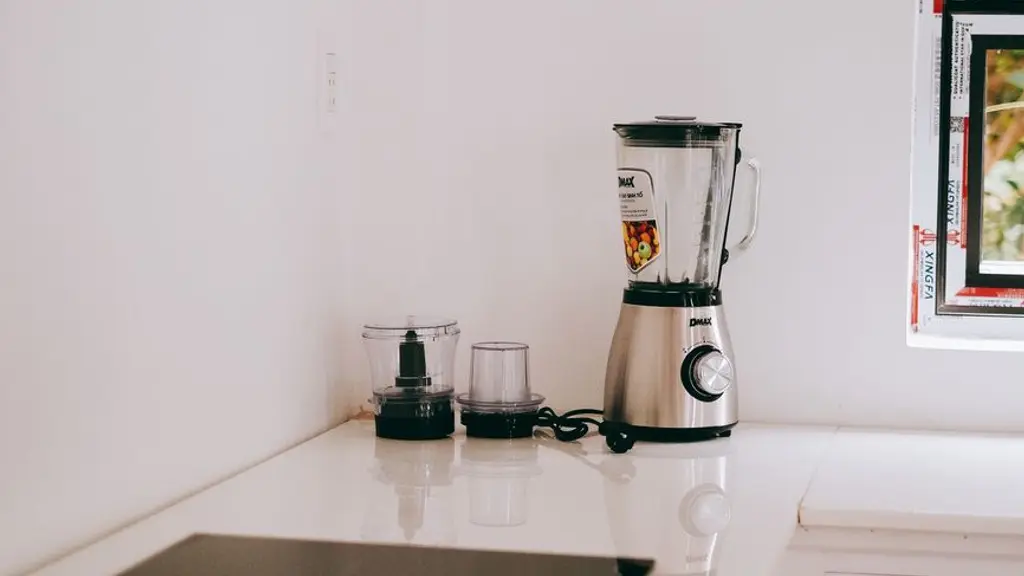
If you’re looking for the cheapest good blender in Egypt, the direct answer is that the lowest price tag isn’t always the best decision. A budget blender that’s actually worth your money needs multiple speeds and a stated ice-crush function, not just a bare-bones jug and motor. Go below that, and you’ll save a few pounds now and pay them back a few months later on a replacement. Let’s break down the difference between “cheap” and “cheapest good blender”.
The quick answer
The cheapest good blender isn’t the lowest price tag on the shelf, it’s the lowest price that still gives you multiple speeds and a real ice-crush function. The very-economy tier (around 250W) handles thin liquids only, while the value tier (500W and up with ice crush) is the right fit for most homes without paying for the premium tier. Check the quality signals below before you buy on price alone.
Key points
- A blender is built mainly for liquids like juices, smoothies, and soup, working with a rotating blade (blender definition from Britannica).
- The watt number alone isn’t a quality measure: a 500W blender with a real ice-crush function beats a cheaper one with a weak motor that strains quickly. Read the blender watts myth for why.
- Very-economy home appliances often skip warranty coverage and easy spare parts, which matters once something breaks a few months in (home appliance background from Britannica).
- A brand established in Egypt gets you easier spare parts and warranty support if something fails, even at a slightly higher price than an unknown option.
Cheap versus cheapest good blender: what’s the difference?
“Cheap” means the lowest price available, with no regard for performance or lifespan. “Cheapest good blender” is a different question entirely: it’s the lowest price that still delivers the basics you actually need (multiple speeds, ice crushing if you use it, a jug that survives daily use) without paying extra for features you’ll never touch. The gap between the two can be just a few hundred pounds, and that gap is exactly what separates a blender that lasts you years from one that fails in a couple of months.
Price tiers and what you get at each
| Tier | Typical power | What you get | What you give up | Best for |
|---|---|---|---|---|
| Very economy | Around 250-300W | Simple blending for thin juices | Ice crush usually missing, basic parts | Very light, occasional use |
| Value tier | 500W with ice crush | Multiple speeds, extras like a grinder and chopper | A bit pricier than very-economy | Most Egyptian homes |
| Higher tier | 700W and up, sometimes glass jug | More power and longer durability | Noticeably higher price | Heavy daily use |
Signs a cheap blender is actually good (not just cheap)
Before you settle on the lowest price you see, check for these signals:
- A stated ice-crush function in the specs, not just a big watt number with no detail.
- More than one speed, even just two or three, so you can control the texture.
- A listing with a stated warranty and a real review record, not an unknown model with neither.
- A reasonable number of reviews on the local store, a sign that plenty of people have used it and kept using it.
- A jug that survives daily use, even if it’s plastic, not so light it cracks quickly.
The practical pick: Fresh Jumbo
If budget really is your first criterion, the Fresh Jumbo (1.5L jug, 360W, two mills per the listing) is the cheapest pick we currently verify at ≈ 980 EGP, and it carries the biggest rating base in our budget tier at the same time: 289 ratings averaging 4.0 of 5. We didn’t pick it because it covers every function listed above, we picked it because it’s the lowest price that comes with a rating base this mature behind it.
And plainly: the trade-off is clear. At 4.0 of 5 the signal is positive rather than excellent, 360W is not built for frequent ice crushing or heavy blending, and its listing does not state an ice-crush function at all. So if the functions we listed above (multiple speeds and a stated ice crush) are a hard requirement for you, you won’t find them at the lowest price, you’ll find them once you step up to the 600W-and-above tier in our guide to the best blender in Egypt. You’ll find its current price and the Amazon link in the card below.
Bottom line
The cheapest good blender isn’t the lowest number on the price tag, it’s the lowest price that still gives you multiple speeds, a real ice-crush function, and available spare parts. The very-economy tier like the Fresh Jumbo works if your use is light and simple, but if you need a stated ice crush and heavier blending, the 600W-and-above tier is the safer choice. If you’re still unsure a cheap blender will hold up, read is a cheap blender good enough?, and if you’re torn on the right size for your home, read what size blender do you need?. For the full breakdown and comparisons, see the how to choose a blender guide or browse our blenders section.
Sources
- Britannica, “Blender”, definition of the electric blender and how it works with a rotating blade for liquids: https://www.britannica.com/dictionary/blender
- Britannica, “Home appliance”, background on home appliances and the difference between economy and higher tiers: https://www.britannica.com/technology/home-appliance
This analysis is based on published information from Britannica (Blender), Britannica (Home appliance).
Frequently asked questions
What's the cheapest good blender in Egypt?
The economy tier starts with simple models around 250W, which only handle thin liquids. The cheapest pick we currently verify is the Fresh Jumbo (≈ 980) with a 1.5L jug and two mills per the listing, carrying 289 ratings averaging 4.0 of 5. One honest note: its listing does not state an ice-crush function, so if ice is your main job, step up to the 600W-and-above tier in our guide to the best blender in Egypt.
Does the cheapest blender crush ice?
Usually not. Very cheap models have a weak motor and a basic blade that strain or stall on ice. If ice crushing matters to you, confirm the function is stated explicitly in the specs before you buy, not just a big watt number.
Is a 250W blender enough for daily use?
It's enough for thin juices and simple smoothies with milk or water, but it strains with ice, frozen fruit, or frequent daily use. If your use is varied, a 500W-and-up tier with ice crush is safer long term.
Should I pay a bit more instead of picking the absolute cheapest?
If the gap is only a few hundred pounds, it's usually worth it: you get more speeds, a real ice-crush function, and warranty support from a brand established in Egypt. The absolute cheapest option suits very light, occasional use, not a household kitchen's daily routine.