
 UAE
UAE  Saudi Arabia
  USA
USA How to Clean a Blender: Jar, Blade Base, and Gasket Done Right
We may earn a commission from purchases through our links, at no extra cost to you. How we choose · Disclosure.
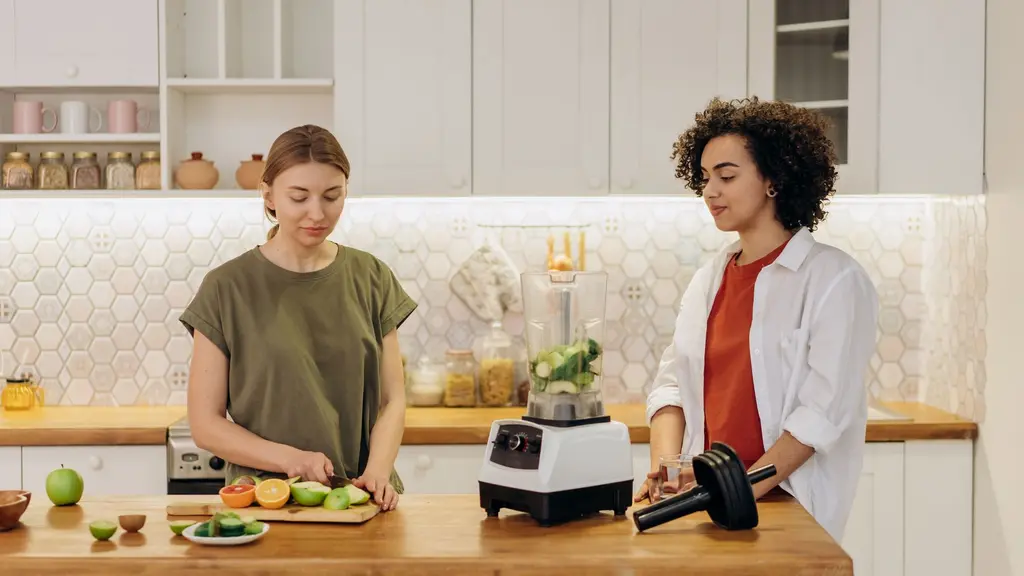
The fastest way to clean a blender: fill the empty jar with warm water and a little dish soap, run it for two or three seconds, rinse, done. But that’s not the whole job: the blade base and the rubber gasket underneath it collect food residue and odor if you never take them apart and clean them by hand every so often, and that’s the part most people skip when they settle for a quick rinse.
The quick answer
The fast daily clean: warm water and soap in the empty jar, run it for a couple of seconds, and that clears most residue. But once a week or two, take apart the blade base and the gasket underneath it and soak and wash them with a soft sponge, because that’s where the real residue and smell hide. Stay away from steel wool and abrasives, and while many parts are labeled dishwasher-safe, the gasket is safer washed by hand.
Key points
- A blender cuts and blends ingredients with a fast-spinning blade (blender definition from Britannica), so tiny bits of food get trapped in the blade base and the gasket underneath it.
- A quick rinse only clears the surface, not the residue trapped under the blade base or inside the gasket.
- The rubber gasket is where the real cause of odor usually hides, since it touches the blades on every side (gasket definition from Britannica).
- Taking apart the blade base weekly prevents the buildup that the daily rinse never reaches.
- Steel wool and abrasives scratch the jar and make residue build up faster, whether it’s plastic or glass.
Why a quick rinse alone isn’t enough
The method most of us use is rinsing the jar with water and putting it away, and that clears juice and smoothie residue off the jar wall. The problem is that the blade base itself and the rubber gasket that seals it against leaks have tiny gaps where small bits of fruit and vegetables collect, especially if you blend strong-smelling things like garlic, onion, or spices. You won’t see that residue while rinsing quickly, but it’s what produces the bad smell after a few uses.
Daily cleaning steps (the fast rinse)
Right after every use:
- Pour out any leftover mixture and unplug the unit.
- Fill the jar halfway with warm water and a drop of dish soap.
- Run the blender at normal speed for two or three seconds, the fast motion cleans the blades and inner wall on its own.
- Rinse the jar well with clean water until you’re sure no soap remains.
- Turn the jar upside down to air dry rather than towel-drying, which can leave lint.
Taking apart the blade base and gasket: the deep clean
Once a week or two, or whenever you notice a smell or visible residue:
- Unplug the unit before taking anything apart.
- Separate the jar from the motor base and remove the blade base from under the jar according to your model (usually by twisting it counterclockwise).
- Carefully lift out the rubber gasket, the piece that seals between the blades and the jar.
- Soak both in warm soapy water for 15 minutes, which loosens trapped residue.
- Use a small brush or an old toothbrush to reach the tight gaps around the blade teeth, instead of putting your hand directly on them.
- Rinse and dry everything well before reassembling.
Dishwasher-safe parts versus hand-wash-only parts
| Part | Dishwasher-safe? | Note |
|---|---|---|
| The jar (plastic or glass) | Usually yes | Check your model’s manual; glass handles dishwasher heat better than plastic |
| The lid and small measuring cups | Usually yes | Same rule, make sure they’re fully detached |
| The rubber gasket | Better by hand | Repeated dishwasher heat weakens rubber and its seal over time |
| The removable blade base | Better by hand | Hand washing with a small brush reaches the gaps better |
| The motor base (blender body) | Never | It houses an electrical circuit, wipe it from outside with a damp, well-wrung cloth only |
Getting rid of stubborn smells
If the smell persists even after a normal wash, try these steps in order:
- Make sure you’ve actually taken apart the gasket and cleaned it separately, not just rinsed it while still assembled.
- Run the blender for a couple of seconds with warm water and half a lemon or two tablespoons of diluted white vinegar in the jar, the steam and acidity loosen light odors.
- Let all the disassembled parts air out before reassembling, trapped moisture helps the smell come back.
- Avoid storing the jar closed and wet after washing, that lets any tiny leftover residue turn and produce a stronger smell.
Never mix vinegar with bleach or any chlorine-based cleaner - the combination releases toxic gases. Use one cleaner at a time and rinse thoroughly between products.
If you’re still choosing a blender
If you’re still shopping for a blender, how easily it comes apart makes a real difference to the cleaning experience, and it’s a detail worth confirming on the model’s own product page before you buy, since most listings never mention it. A practical example from our shortlist: the Moulinex Super Smoothie LM207128 at 2L and 700W with two attachments, rated 4.2 of 5 across 78 ratings as of August 2026. We didn’t pick it for being the easiest to clean on the market, we picked it because the balance of power, capacity, and price makes sense, which is why it tops our guide to the best blender in Egypt. Do keep in mind its jug is plastic rather than glass, and as covered above, plastic scratches and holds odours faster than glass. You’ll find its current price and the Amazon link in the card below.
When to stop and call a technician
- The blender overheats again after it has cooled and the load has been reduced.
- A burnt smell appears instead of an ordinary food-residue smell.
- The blade assembly stays jammed after the removable parts are cleaned.
- The blade base or gasket still leaks after correct reassembly.
Stop using the blender and have it checked by a qualified technician before using it again.
Bottom line
Cleaning a blender is more than a quick rinse. The daily wash with water and soap covers most days, but the blade base and gasket need a weekly or biweekly teardown and deep clean, and that’s where the real residue and smell hide. Stay away from steel wool and abrasives, and the gasket is safer hand-washed even if the rest of the parts are dishwasher-safe. And if your blender is starting to overheat or gives off a burnt smell rather than an ordinary residue smell, read blender overheating and smells burnt. If you’re still choosing a blender from scratch, see our guide to the best blender in Egypt or how to choose a blender.
Sources
- Britannica, “Blender”, definition of the blender and its basic parts: https://www.britannica.com/dictionary/blender
- Britannica, “Rubber”, definition of the gasket and its role sealing between parts: https://www.britannica.com/science/rubber-chemical-compound
This analysis is based on published information from Britannica (Blender), Britannica (Rubber).
Frequently asked questions
How often should I clean my blender?
The jar and blades should be washed after every use, and the fastest way is warm water, dish soap, and a two-second run. Taking apart the blade base and cleaning the gasket underneath it should happen once a week or two, depending on how heavily you use it, since that's where residue the quick rinse can't reach builds up.
Can I put the blender jar in the dishwasher?
The plastic or glass jar is usually labeled dishwasher-safe in the manufacturer's manual, but the rubber gasket and the removable blade base are generally safer washed by hand, since the dishwasher's repeated high heat weakens rubber over time. Check your model's manual first.
How do I get rid of a bad blender smell?
Take apart the blade base and the gasket and soak them in warm soapy water for 15 minutes, the trapped residue underneath is usually the source of the smell. For stubborn odors, run the blender for a couple of seconds with warm water and half a lemon or two tablespoons of diluted white vinegar in the jar, rinse well, and let the parts air out unassembled before reassembling.
How do I clean the blade base itself without hurting my hand?
Unplug the unit first, then remove the blade base from under the jar according to your model. Use a small brush or an old toothbrush to reach the tight gaps around the blades and gasket instead of putting your hand directly on the blade edge, which gets into every corner safely.
Can I use steel wool or abrasives to clean the jar?
No. Metal scourers and abrasive powders scratch the jar, whether it's plastic or glass, and that makes residue build up faster next time. Use a soft sponge and regular dish soap, and if food is stuck on, soak it in warm water first instead of scrubbing hard.