
 UAE
UAE  Saudi Arabia
  USA
USA Crushing Ice in a Blender: What Makes a Blender Good at Ice?
We may earn a commission from purchases through our links, at no extra cost to you. How we choose · Disclosure.
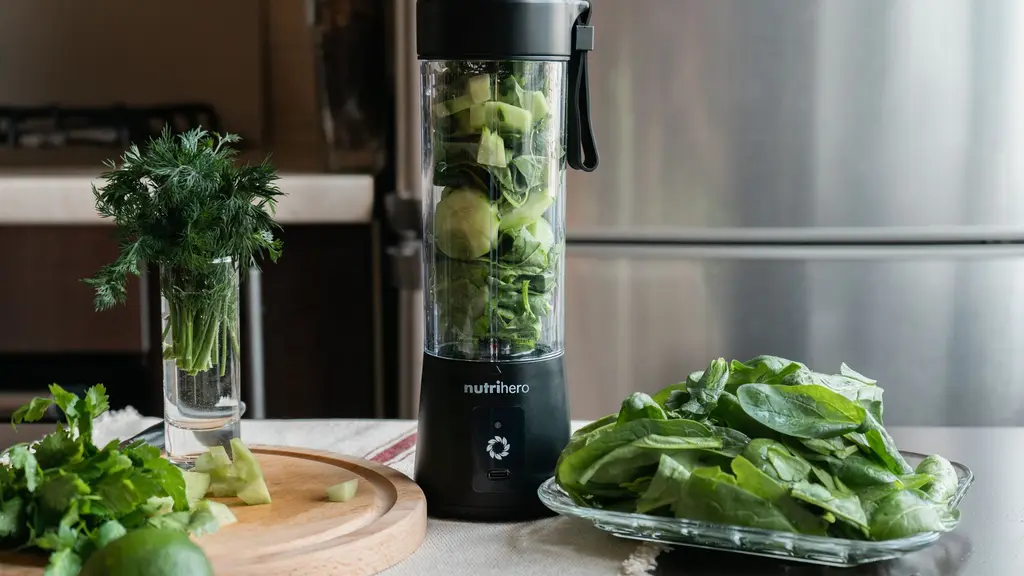
Crushing ice is the one job that separates a good blender from a so-so one. A blender that purees fruit and sauces beautifully can stall on a cup of solid ice, with the motor heating up and the blade grinding to a halt. The real question isn’t “can any blender crush ice?” It’s “what makes a blender good at ice specifically?” Let’s clear it up with the factors that actually matter.
The quick answer
A good ice-crushing blender comes down to four things: a strong serrated blade, enough motor power, a Pulse or Ice Crush function, and a durable jug. Watts alone aren’t enough, but for repeated crushing it’s best to start at 500W and up, with 700 to 1000W being the comfortable range. Technique matters too: a little liquid with the ice, and short bursts instead of continuous running.
Key takeaways
- A blender is an appliance that uses a fast-spinning blade to cut and mix ingredients, per the blender definition from Britannica, and ice needs a stronger blade than soft fruit does.
- Power helps, but the blade and design matter more: a 500W blender with a good serrated blade can crush ice better than a 700W one with a weak blade.
- A Pulse or Ice Crush function matters: it delivers short, intermittent bursts of power that break up ice without overheating the motor from continuous running.
- A durable jug makes a difference: glass handles ice abrasion and scratching better than plastic over the long term, and you can compare the difference in detail in glass vs plastic jug.
- A hand (immersion) blender is not ideal for ice: it’s designed for liquids, soups, and sauces inside the pot, per the immersion blender definition from Britannica, not for breaking solid ice cubes.
What makes a blender good at ice?
Crushing ice is far tougher on a blender than blending a banana or strawberries. Ice is hard and slippery and bounces away when the blade hits it, so the blender needs a set of factors working together, not just one:
- The blade: a thick, serrated stainless-steel blade, ideally multi-pronged and set at different angles so it engages the ice from every direction.
- The power: a motor with enough power to keep the blade speed up as it hits solid ice, without slowing or stalling.
- The function: a Pulse or Ice Crush mode delivering short bursts of power, which is exactly what ice needs: intermittent hits rather than continuous spinning.
- The jug: a durable jug that withstands ice abrasion, ideally shaped so the ice falls back toward the blade instead of sitting on the sides.
When these come together, the blender crushes ice smoothly. Miss one of them and you get half-crushed ice with big chunks left on top, or a motor that overheats quickly.
Power vs blade: which matters more?
Many people assume a bigger watt number means better ice crushing, and that’s not quite right. Watts measure the motor’s electricity draw, while the real work on ice depends on blade design, jug shape, and how efficiently power reaches the blade. A 500W blender with a strong serrated blade and a good jug can outperform a 700W one with a thin blade. So don’t choose on watts alone, and see the details in the blender watts myth.
In other words, power is a requirement but not the only one. The practical rule: look for a blender that explicitly says it crushes ice (Ice Crush), with power from 500W and up, and a blade that looks strong and serrated. This table shows how the factors work together:
| Factor | Why it matters for ice | The ideal setup |
|---|---|---|
| Blade | Penetrates and breaks solid ice | Thick stainless steel, serrated, multi-pronged |
| Power (watts) | Keeps blade speed up under load | 500W and up, 700 to 1000 is comfortable |
| Pulse / Ice Crush | Short power bursts crush without overheating | Present as a dedicated button |
| Jug | Withstands abrasion and guides ice to the blade | Durable glass, shaped to return ice downward |
The right technique: how to crush ice without damaging the blender
Even a powerful blender can struggle if you use it wrong. A few simple steps make the difference:
- Add a little liquid with the ice, cold water or juice, not dry ice alone. The liquid lets the ice circulate down to the blade instead of sitting on top of it.
- Use Pulse in short bursts (2 to 3 seconds each), not a long continuous run. This breaks up the ice and gives the motor a chance to cool.
- Don’t overfill the jug with ice, leave room so the ice can move and circulate.
- Don’t run the blender on dry, solid ice without liquid for a long stretch, which dulls the blade and overheats the motor.
Following these steps extends the life of any blender and gives a smoother, faster ice crush.
What damages a weak blender?
A budget blender at 250W with a light blade isn’t built for repeated ice crushing. If you push it with solid ice, one or more of these happens: the blade dulls and loses its edge over time, the motor overheats and you may smell burning, and in extreme cases the motor actually burns out or the plastic gear connecting the blade to the motor strips. A thin plastic jug can also scratch or crack from repeated ice abrasion. So if ice crushing matters to you, choose a blender built for it from the start instead of straining a weak one and losing it early. And if you’re still comparing types, see blender vs mixer to confirm a blender is what you actually need.
A practical example of a blender that crushes ice well
Among the picks that bring these factors together: the Moulinex Blendforce LM4231EG at 800W with a 2L jar, two speeds plus pulse, and an ice-crush function stated explicitly in its listing, which is exactly what we said to look for above: a stated function, not just a watt number. It also comes with a grinder and grater per the listing, and rates 4.3 of 5 across 52 ratings as of August 2026.
The trade-offs, said plainly: its jar is plastic per the listing, while the pick it replaces here had a glass jug, so if glass was your reason for choosing that one, this is a real trade-off (and the glass advice above still stands for frequent ice). The second is its rating base: 52 ratings, the smallest on this list, so the signal is statistically thinner than the more-reviewed models. That’s what earns it a spot in our guide to the best blender in Egypt. You’ll find its current price and the Amazon link in the card below.
Read any blender in a minute (for crushing ice)
- Confirm it lists an Ice Crush or Pulse function.
- Check the power: 500W and up for repeated use, 700 to 1000W is comfortable, but don’t choose on watts alone, and review the blender watts myth.
- Look at the blade (thick and serrated?) and the jug type, and compare glass vs plastic.
- Learn how it differs from other appliances in blender vs mixer, and if smoothies with ice are your thing, see the best blender for smoothies.
- For the full step-by-step details, head back to our guide on how to choose the right blender for your home, and browse our blenders section.
Bottom line
The blender that’s good at crushing ice isn’t the one with the biggest watt number, it’s the one that combines a strong serrated blade, enough motor power, a Pulse or Ice Crush function, and a durable jug, with correct technique (liquid with the ice and short bursts). Push a weak blender with ice and you’ll lose it early; choose one built for the job and it’ll serve you for years. For the full picks see the best blender in Egypt and how to choose a blender.
Sources
- Britannica, “Blender”, definition of the blender and how it works with a fast-spinning blade: https://www.britannica.com/dictionary/blender
This analysis is based on published information from Britannica (Blender).
Frequently asked questions
How many watts are enough to crush ice in a blender?
There's no magic number, but for repeated ice crushing it's best to start at 500W and up, with 700 to 1000W being the comfortable range. More important than watts alone is blade design (a strong, serrated blade) and having a Pulse or Ice Crush function, because a good blade at moderate power can crush ice better than a higher-watt motor with a weak blade.
Does crushing ice damage a blender?
It damages a weak blender, not one built for ice. If you run a 250W motor with a light blade on solid ice, the blade dulls, the motor overheats, and it can burn out. A blender with enough power, a strong blade, and an ice-crush rating handles it fine as long as you use it correctly.
Should I add ice alone or with some water?
It's best to add a little cold water or liquid with the ice, not dry ice cubes alone. Liquid helps the ice circulate down to the blade instead of sitting on top of it, which reduces strain on the motor and gives a smoother, faster crush. Use Pulse in short bursts rather than running it continuously.
Glass jug or plastic for crushing ice?
Both crush ice, but a glass jug handles ice abrasion and scratching better and stays clear over time, while plastic is lighter, cheaper, and won't shatter if dropped but scratches faster. If you crush a lot of ice, glass is the more durable long-term choice.