
 UAE
UAE  Saudi Arabia
  USA
USA How to Clean a Washing Machine and Get Rid of the Smell
We may earn a commission from purchases through our links, at no extra cost to you. How we choose · Disclosure.
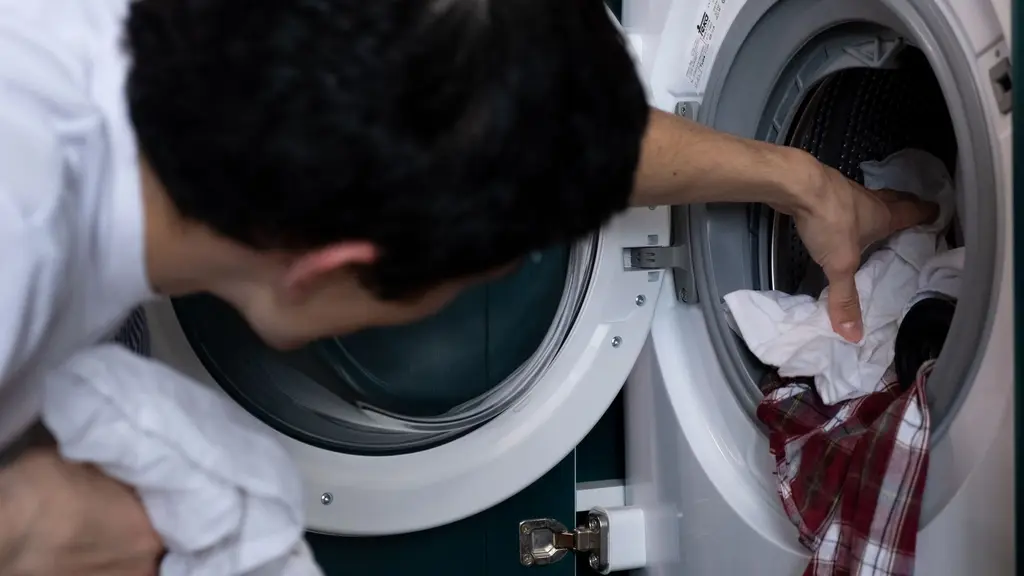
A washing machine that gives off a bad smell, or laundry that comes out with a musty odor even after a full cycle, isn’t a fault. It’s moisture and detergent residue building up in spots that daily use skips over: the rubber gasket around the door, the detergent drawer, and the drain filter. The fix isn’t complicated: an empty hot cycle once a month, a quick weekly wipe of the rubber gasket and detergent drawer, and leaving the door open after every wash so the drum can dry.
The quick answer
Run an empty hot cycle with white vinegar or a dedicated drum cleaner once a month, clean the rubber gasket and detergent drawer weekly, and open the drain filter every one to two months. The single most important daily habit: leave the washing machine door open a crack after every wash so moisture escapes and the drum dries out instead of staying sealed and damp.
Never mix vinegar with bleach or any chlorine-based cleaner - the combination releases toxic gases. Use one cleaner at a time and rinse thoroughly between products.
Key takeaways
- Moisture trapped inside a closed drum is the main cause of bad smells, because it’s the ideal environment for mold and bacteria (biofilm) to build up on the rubber gasket and drum edges (biofilm background from US CDC).
- The rubber gasket around the door (especially on front-load machines) is where grime accumulates the most, because it stays damp longest after every wash.
- The detergent drawer builds up detergent and softener residue into a hard, smelly layer over time, and it’s a spot most daily cleaning skips.
- A clogged drain filter doesn’t just cause odor, it can stop the machine from draining properly (washing machine definition from Britannica).
Why the machine smells even though it washes fine
A washing machine’s drum stays closed and damp most of the time between washes, which gives detergent residue, softener, and moisture the ideal environment to build up into a layer (biofilm) that gives off a distinctive musty smell. The problem is worse on front-load machines because the rubber gasket around the door traps more moisture than a top-load drum. The result is that the laundry itself comes out clean from the cycle, but it picks up the drum’s smell while drying on it afterward.
Step-by-step washing machine cleaning
- Run an empty hot cycle (the highest temperature available) with no laundry, adding a cup of diluted white vinegar or a dedicated drum cleaner to the drum or detergent drawer.
- Clean the rubber gasket around the door with a cloth dampened in warm water and a little soap, wiping well inside the folds where grime hides.
- Remove the detergent drawer and wash it with warm water and a small brush if you have one, clearing any hardened buildup in the corners.
- Unplug the machine and open the drain filter (usually at the bottom front), placing a basin underneath since water will drain out, and clear any lint, hair, or small items stuck inside.
- Wipe the outside of the machine with a cloth, and check the drain hose for any kinks.
- Leave the door and detergent drawer open a crack after every wash so air can circulate and dry everything out instead of sealing it while still damp.
Maintenance schedule: each part and how often
| Part | Cleaning method | How often |
|---|---|---|
| Inside the drum | Empty hot cycle with vinegar or a dedicated drum cleaner | Once a month |
| Rubber gasket (especially front-load) | Wipe with a cloth and warm water, then dry | Every week |
| Detergent drawer | Remove and wash with warm water | Every two weeks |
| Drain filter | Open and clear anything stuck inside | Every one to two months |
| Washing machine door | Leave open a crack after each wash | After every use |
If the smell is stubborn despite regular cleaning
If you’ve cleaned using the steps and schedule above and the smell is still there, buildup has likely accumulated over a long time before you started cleaning regularly. In that case, store-bought products called washing machine drum cleaners (a tablet or liquid) that you place in the empty drum before running a hot cycle give a stronger, faster result than vinegar on old buildup. You don’t need to use one every time if you stick to a monthly cleaning schedule, it’s a practical option for stubborn cases or if you prefer the convenience of a ready-made product over measuring out vinegar yourself.
A washing machine that makes routine maintenance easier
If you’re still shopping, how easy it is to reach the rubber gasket and detergent drawer genuinely affects whether you’ll stick to regular cleaning. A practical example from our shortlist: the Fresh 7kg Automatic Top-Load has a top-load design that’s simpler to reach into than a front-load drum, which cuts down on the trapped-moisture problem that front-load gaskets are more prone to. We didn’t pick it for being the cheapest, we picked it because the balance of simplicity and reliability makes sense, which is why it tops our guide to the best washing machine in Egypt. You’ll find its current price and the buy link in the card below.
See the Fresh 7kg Automatic price on Amazon.eg ↗
When to stop and call a technician
- A bad smell remains after the drum, gasket, drawer, and drain filter are cleaned.
- Water remains in the drum after the accessible drain filter is cleared.
- The drain filter cannot be opened or cleared safely.
- Mold or residue keeps returning around the gasket despite regular cleaning and drying.
Stop using the washing machine and have it checked by a qualified technician before using it again.
Bottom line
Cleaning a washing machine isn’t a big undertaking, but it’s what separates laundry that comes out smelling fresh from laundry that smells musty even though it washed correctly. Run an empty hot cycle monthly, clean the rubber gasket and detergent drawer weekly, open the drain filter regularly, and most importantly, leave the door open after every wash. If performance rather than smell is your problem, read washing machine not working: what to check first. And if you’re still shopping for a new machine, see the best automatic washing machine in Egypt, or for the full comparison read the best washing machine in Egypt, or browse washing machines in Egypt.
Sources
- Britannica, “Washing machine”, definition of the washing machine and its parts like the rubber gasket and drain filter: https://www.britannica.com/technology/washing-machine
- US CDC, “Biofilm growth in stagnant water systems”, background on biofilm and mold and bacteria buildup in damp environments: https://www.cdc.gov/control-legionella/php/guidance/building-water-system.html
This analysis is based on published information from Britannica (Washing machine), US CDC (Biofilm growth in stagnant water systems).
Frequently asked questions
How do I clean my washing machine and get rid of the bad smell?
Run an empty hot cycle with white vinegar or a dedicated drum cleaner once a month, clean the rubber gasket around the door weekly, wash the detergent drawer regularly, and open the drain filter every one to two months to clear anything stuck in it. Most importantly, leave the door open a crack after every wash so the drum can dry.
How often should I clean my washing machine?
An empty hot cleaning cycle once a month is enough for most households. The rubber gasket and detergent drawer deserve a quick weekly wipe since they're where moisture and detergent residue build up fastest. The drain filter needs checking every one to two months depending on how heavily you use the machine.
Can I use vinegar or baking soda instead of a store-bought washing machine cleaner?
Yes, diluted white vinegar or baking soda work well to break down light buildup and odor in an empty hot cycle. If the smell is stubborn or buildup has accumulated over a long time, a store-bought washing machine drum cleaner (a tablet or liquid) gives a stronger, faster result without you having to make it yourself every time.
Why do I need to leave the washing machine door open after every wash?
Moisture trapped inside a closed drum is the main cause of mold and bacteria buildup (biofilm), which produces the musty smell. Leaving the door open a crack after every wash lets air circulate and dries out the drum and rubber gasket instead of leaving them damp for days.
What is the washing machine's drain filter and where is it?
The drain filter catches lint, hair, and small items that fell out of pockets before they reach the pump. It's usually located at the bottom front of the machine behind a small cover. Unplug the machine first, and place a basin underneath since water will drain out when you open it.