
 UAE
UAE  Saudi Arabia
  USA
USA Washing Machine Not Working? Check These First
We may earn a commission from purchases through our links, at no extra cost to you. How we choose · Disclosure.
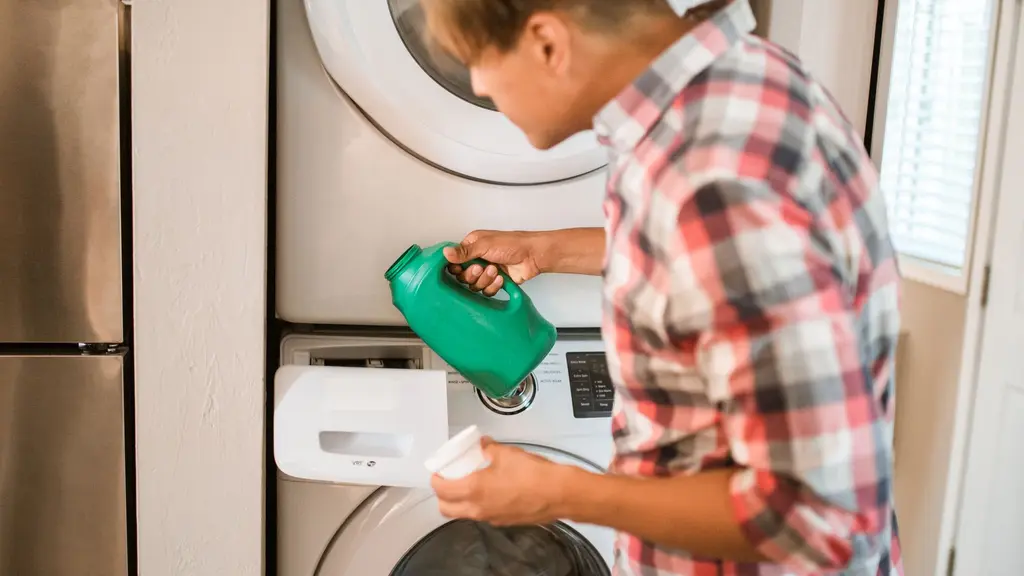
A washing machine that refuses to start or stops suddenly mid-cycle doesn’t have to mean it’s broken. Before you assume that, there’s a simple checklist to run through in order: power and the breaker, whether the door is fully latched, whether the water supply tap is open, and whether the drain filter is clogged. Most “washing machine not working” cases come down to one of these, not a real motor fault.
The quick answer
Before you assume your washing machine is broken, check in this order: the outlet and circuit breaker, that the door is fully latched, the water supply tap, and the drain filter. Most problems trace back to one of these, not a real fault in the motor or electrical circuit. If you’ve checked all of it and the problem persists, the next step is the warranty, not opening the machine yourself.
Key takeaways
- A washing machine relies on safety sensors that stop it from running if the door isn’t latched or the load is unbalanced, which can look like a fault even though it’s intended behavior (washing machine definition from Britannica).
- A weak outlet or a tripped circuit breaker is the most common reason a machine won’t turn on at all, not a fault in the motor itself (circuit breaker definition from Britannica).
- An unbalanced load stops the spin cycle as a safety measure, because excessive vibration can damage the motor or shift the machine out of place.
- A clogged drain filter is the most common cause of standing water in the drum, and it’s a part you can clean yourself without a technician.
The order-of-operations checklist before you assume it’s broken
Work through these steps in order, from simplest to most involved:
- Check the power first. Try a different outlet you know works, and check your apartment’s circuit breaker, since the washing machine draws a heavy electrical load and may have tripped it.
- Make sure the door is fully latched. Most machines have a safety switch that blocks operation if the door isn’t closed properly, so open it and close it again firmly.
- Check the water supply tap. If it’s closed or the pressure is too low, the machine won’t fill with water and will pause the cycle or throw an alert.
- Redistribute the laundry evenly in the drum. A load bunched on one side stops the spin cycle as a safety measure, especially with heavy items like blankets or bedsheets.
- Check the drain filter and drain hose for any blockage from lint, hair, or small items that fell out of pockets.
- If everything above checks out and the problem persists, check the model’s manual for error codes if it has a digital display, and contact customer service if the machine is still under warranty.
Common symptoms and their likely causes
| Symptom | Likely cause | What to check |
|---|---|---|
| Machine won’t turn on at all | Weak outlet or tripped circuit breaker | Try a different outlet and power source |
| Fills with water but won’t spin | Unbalanced load or door not latched | Redistribute the load and close the door firmly |
| Standing water in the drum after a cycle | Clogged drain filter or kinked hose | Open the drain filter and check the hose |
| Stops suddenly mid-spin | Balance sensor triggered by an uneven load | Open the door and redistribute the laundry |
| Unusual noise or strong vibration | Unbalanced load or uneven feet | Check load distribution and the machine’s leveling |
A machine that reduces false alarms in the first place
If you’re still shopping, a simple design and reliable sensors genuinely cut down on false alarms that turn out to be a setting, not a real fault. A practical example from our shortlist: the Fresh 7kg Automatic Top-Load runs fully automatic with no complicated programs, and if you ever need a technician, ask the seller what service covers the model. We didn’t pick it for being the cheapest, we picked it because the balance of simplicity and reliability makes sense, which is why it tops our guide to the best washing machine in Egypt. You’ll find its current price and the buy link in the card below.
See the Fresh 7kg Automatic price on Amazon.eg ↗
When to stop and call a technician
If you’ve worked through every step in the checklist above in order and the machine still won’t run, or keeps stopping with clear faults, the issue is likely in the motor, the pump, or the internal electrical circuit, and that’s not something to fix yourself. Check the warranty period on your purchase receipt, and contact the brand’s customer service or an authorized technician. Don’t try to open the body of the machine, since that can void the warranty and expose you to a real electrical hazard.
- The machine still will not start after the power and door checks.
- It keeps stopping after the water-supply and program checks.
- Water remains in the drum after the accessible drain filter is cleared.
- Unusual noise or strong vibration continues after the load and feet are balanced.
Stop using the washing machine and have it checked by a qualified technician before using it again.
Bottom line
A washing machine that won’t work or stops mid-cycle doesn’t have to be broken, most cases trace back to power, the door, the water supply, or the drain filter. Work through the checklist from simplest to most involved before you assume the machine has failed, and if everything checks out and the problem persists, check the warranty instead of opening it yourself. If a bad smell is your problem rather than performance, read how to clean a washing machine and stop the smell. And if you’re still shopping for a new machine, see the best automatic washing machine in Egypt or browse washing machines in Egypt.
Sources
- Britannica, “Washing machine”, definition of the washing machine and its core parts like the pump and safety sensors: https://www.britannica.com/technology/washing-machine
- Britannica, “Circuit breaker”, definition of the circuit breaker and its role in cutting off excess load: https://www.britannica.com/technology/circuit-breaker
This analysis is based on published information from Britannica (Washing machine), Britannica (Circuit breaker).
Frequently asked questions
My washing machine isn't working, what should I do?
Check in order: power and the circuit breaker, that the door is fully latched (many models refuse to run if the door isn't closed properly for safety), the water supply tap is open, and the drain filter isn't clogged. Most 'washing machine not working' cases come down to one of these, not a real motor fault.
The machine won't turn on at all, what's the first thing to check?
Try a different power outlet you know works, and check your apartment's circuit breaker, since a washing machine draws a heavy electrical load and can trip a breaker without you noticing. Also check the power cord itself for any cut or loose connection.
The machine fills with water but won't spin, or stops suddenly, why?
The common cause is an unbalanced load, meaning the laundry has bunched up on one side of the drum, and the balance sensor stops the cycle as a safety measure. Open the door, redistribute the load evenly around the drum, and restart the cycle. The other common cause is the door not being fully latched.
There's standing water in the drum from a previous cycle, what do I do?
The drain filter is likely clogged with lint, hair, or a small coin, or the drain hose itself is kinked or blocked. Unplug the machine first, locate the drain filter (usually at the bottom front of the machine), and open it carefully over a basin since water will come out.
I've tried every step and the machine still isn't working, what's next?
If you've checked power, the door, water supply, and the drain filter with no luck, check the warranty period on your purchase receipt and contact the brand's customer service or an authorized technician. Don't try to open the body or the motor yourself, since there's a live electrical circuit inside.