
 UAE
UAE  Saudi Arabia
  USA
USA Instant vs Storage Water Heater: Which Fits Your Home
We may earn a commission from purchases through our links, at no extra cost to you. How we choose · Disclosure.
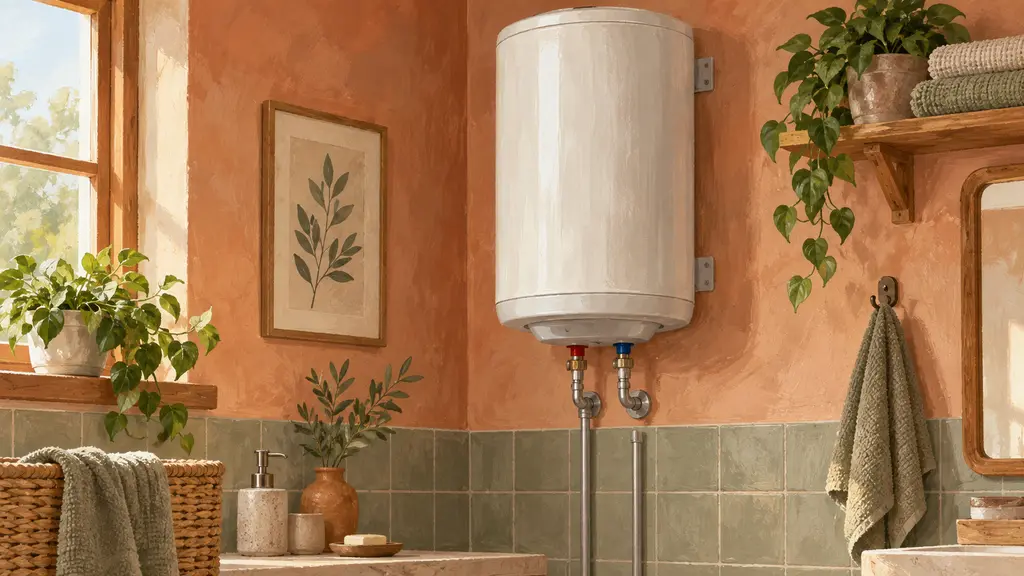
A storage heater keeps a tank of hot water ready, so it’s simpler and cheaper to install, but it runs out and needs time to reheat. An instant heater heats water on demand as it flows, giving you continuous hot water with no waiting, but it draws high power and needs strong dedicated wiring. If you have no gas and want the simplest option, a storage tank is easier. If you want continuous hot water and your wiring is strong, instant is the better fit.
The quick answer
A storage heater is cheaper and simpler to install, but it holds a fixed amount of water that runs out and needs time to reheat. An instant heater gives you continuous hot water with no waiting, but it costs more upfront and needs strong dedicated wiring. If you have no gas at home and want the simplest, cheapest option, start with a storage tank. If you want continuous hot water and your home’s wiring is strong, an instant heater delivers that.
Key points
- A storage heater keeps a fixed amount of hot water ready, so if your use exceeds the capacity, you’ll wait for a fresh batch to heat (tankless water heating background from ENERGY STAR).
- An instant heater heats water the moment it flows, so there’s no “will it run out” question, but the power it draws while running is very high.
- The upfront price gap is significant, storage heaters start well below instant ones.
- Home wiring is the single biggest technical factor in the decision, since instant heaters need a strong dedicated line, not just any standard setup.
- Neither type is universally “better”, the right choice depends on your usage pattern and your home’s wiring (general water heating background from ENERGY STAR).
Storage heater: simpler and cheaper, but it runs out
A storage water heater is a metal tank with an electric heating element that heats a fixed amount of water (say 40 or 50 liters) and keeps it hot until you use it. Its main advantage is the simplest possible install, needing only power and water, and a clearly lower upfront price than an instant unit. Its drawback is that it holds a fixed amount, so once the hot water runs out, you’ll wait (usually half an hour to an hour) for a fresh tank to heat. And the longer it stays connected, the more heat it gradually loses even with no active use.
Instant heater: continuous hot water, but it draws hard
An instant tankless heater heats water the moment it flows through the pipe, so as soon as you open the tap, hot water arrives right away and keeps flowing continuously as long as the tap stays open, with no tank to run out and no waiting. The catch is that to heat water instantly at that rate, it has to draw very high power (9 to 12kW), which requires a dedicated electrical line with the right cable cross-section and breaker rating. Weak wiring can overheat cables and cause problems, so have an electrician confirm your home can handle it before you buy.
Quick comparison: storage vs instant
| Factor | Storage heater | Instant heater |
|---|---|---|
| Upfront price | Cheaper, from ≈ 3,195 EGP | Pricier, from ≈ 7,700 EGP |
| Install | Just power and water, simple | Needs strong dedicated wiring |
| Hot water supply | Fixed amount, runs out and needs time to reheat | Continuous as long as the tap is open |
| Consumption | Lower power at any moment, small standby loss | Very high power while running, zero standby loss |
| Space | Takes up wall space for the tank | Smaller, no tank needed |
So which fits your home?
The decision starts with two questions: do you want continuous hot water, or is your use spread out? And is your home’s wiring strong or standard?
- If you want the simplest, cheapest option and don’t have much simultaneous use, a storage tank (40L or 50L depending on your household size) is the sensible pick. If you’re not sure what size fits, see water heater size for a family.
- If you have more than one bathroom or simultaneous use, or you’d rather not think about capacity at all, and your wiring is strong, an instant heater gives you that convenience provided you have the dedicated line for it.
- If you’re not sure how strong your wiring is, start with a storage tank, since it needs no wiring changes and carries less risk.
The heater most homes start with
If you’re still weighing the two options, a storage tank remains the more sensible starting point for most homes because it’s simpler, cheaper, and needs no electrical changes. A practical example from our shortlist: the Fresh Relax 50L suits most families for normal showering, and its install is simple, needing only power and water with no extra wiring work. We didn’t pick it for giving continuous hot water like an instant heater does, we picked it because it’s the more sensible balance of capacity, price, and simple install for most homes, which is why it tops our guide to the best electric water heater in Egypt. You’ll find its current price and the Amazon link in the card below.
Bottom line
There’s no single answer that fits every home. A storage tank is cheaper, simpler, and enough for most homes with normal, spread-out use, while an instant heater gives you continuous hot water with no waiting at the cost of a higher upfront price and the need for strong dedicated wiring. Start by asking yourself whether your use is simultaneous or spread out, and whether your home’s wiring is strong or standard. The answer points you to the right type without paying extra for something you won’t use. If you’re unsure what size fits, read water heater size for a family, and if you want to understand the electricity side better see water heater electricity consumption, or if you’re still torn between gas and electric read gas vs electric water heater. To choose well from the start, read our how to choose a water heater guide or browse our water heaters section.
Sources
- ENERGY STAR, “Tankless water heaters”, background on how instant, tankless water heaters heat water on demand: https://www.energystar.gov/products/whole_home_tankless_gas_water_heaters
- ENERGY STAR, “Residential water heater types”, general background on storage and instant water heater types: https://www.energystar.gov/products/water_heaters/residential_water_heaters_key_product_criteria
This analysis is based on published information from ENERGY STAR (Tankless water heaters), ENERGY STAR (Residential water heater types).
Frequently asked questions
What's the basic difference between an instant and a storage water heater?
A storage heater heats a fixed amount of water and keeps it ready in a tank, so if it runs out you wait for a fresh batch to heat. An instant heater heats water on demand as it flows through the pipe, so there's no tank to run out and no waiting, but it draws far more electrical power while it's running.
Is an instant heater cheaper to run than a storage one?
Upfront, the storage heater is cheaper by a clear margin. To run, the instant heater has no standby heat loss (since it isn't keeping a tank of water hot all day), but it draws very high power during actual use. Which one costs less overall depends on your usage pattern, not one type winning automatically every time.
What wiring do I need to install an instant heater?
An instant heater draws 9 to 12kW, which requires a dedicated electrical line with the right cable cross-section and breaker rating to handle that load. Have an electrician confirm your home's wiring can handle it before you buy, since weak wiring can overheat cables and cause problems.
Which is better for a small apartment, instant or storage?
Instant takes up less space since there's no tank, so it's a good fit if space is your main constraint. But if your home doesn't have strong dedicated wiring, or you want the simplest and cheapest install, a 40L storage tank also takes up limited space and only needs power and water, without the wiring complexity.