
 UAE
UAE  Saudi Arabia
  USA
USA Is There a Portable AC That Heats and Cools in Winter?
We may earn a commission from purchases through our links, at no extra cost to you. How we choose · Disclosure.
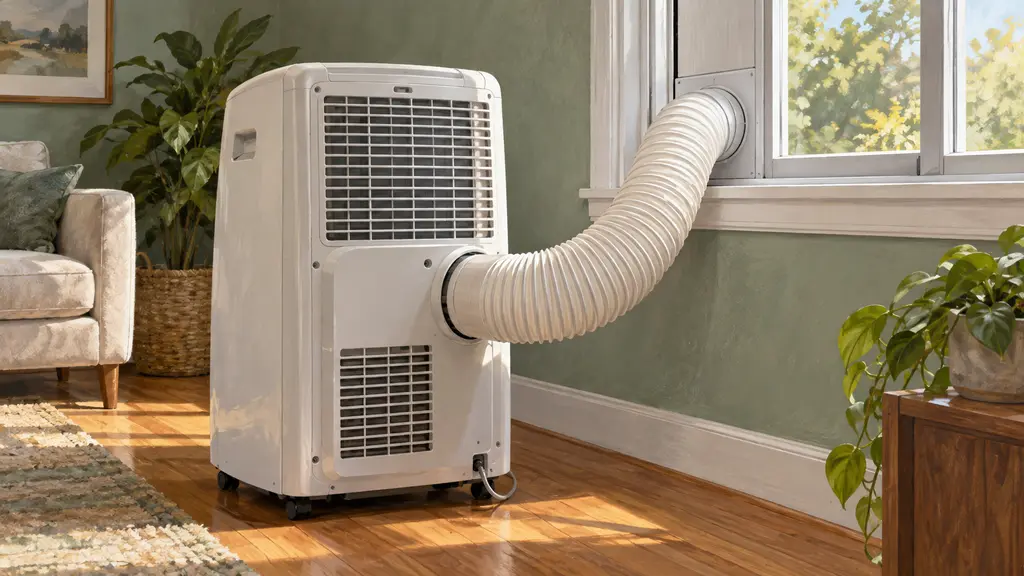
Yes, hot-and-cold portable ACs genuinely exist and heat a room in winter the same way they cool it in summer, but there’s one thing worth knowing before you decide: that heating sometimes comes from a true reverse-cycle heat pump (an efficient technology), and sometimes from a simple electric resistance element built into the unit, like a plug-in heater (a simpler, higher power-use technology). Our current true portable AC pick, the Ocean 12,000 BTU, is cooling-only based on the specs available to us, with no heating mode. If heating is a priority, check the spec sheet carefully before buying.
The quick answer
Yes, hot-and-cold portable ACs exist, but the heating comes from one of two very differently efficient technologies: a reverse-cycle heat pump (reverses the same cooling cycle, more power-efficient), or a simple electric resistance element (like a plug-in heater, simpler but uses more power for the same amount of heat). Our current true portable AC pick is cooling-only with no heating mode, so if you genuinely need hot-and-cold, look for a model whose spec sheet explicitly names a “heat pump” or “reverse cycle” mode, not just the marketing term “hot and cold.”
Key takeaways
- A reverse-cycle heat pump moves heat that’s already present in the outside air into the room instead of generating it, making it far more power-efficient than any resistance-based heating (background on heat pumps and the refrigeration cycle, Britannica).
- A resistance element converts electricity to heat directly, simple to manufacture but a higher power cost for the same amount of heat.
- Many portable air conditioners do ship with a heating mode, but the spec sheet doesn’t always spell out which technology it uses (general background on portable air conditioners, Britannica).
- Our current true portable AC pick is cooling-only, with no heating mode in the specs available to us.
- If heating is a genuine priority rather than an occasional nice-to-have, look for a model that explicitly states a “reverse-cycle heat pump,” not just the “hot and cold” marketing name.
The difference: reverse-cycle heat pump versus resistance heat
A true portable air conditioner is built around a refrigerant compressor cycle, and when heating enters the picture, there are two very differently efficient ways to do it. A reverse-cycle heat pump uses a reversing valve that flips the direction of the same cooling cycle, so instead of the unit removing heat from indoors and expelling it outside, it pulls heat that’s already present in the outside air and moves it indoors. That makes it produce more heat per unit of electricity consumed, since it’s moving heat rather than creating it from scratch. A resistance element is far simpler: a plain electric heater built into the same body, converting every unit of electricity into a unit of heat directly, with no added efficiency. Both warm the room, but the electricity bill over a winter tells a different story.
The catch: marketing doesn’t always spell out the technology
The “hot and cold” name on the box or product page tells you the unit has a heating mode, but it rarely specifies the technology behind it. To tell the difference while comparing models, look in the detailed specs for terms like “reverse-cycle heat pump” or “heat pump”, which signal the more efficient technology. If the specs stay silent on those details and just say “hot and cold” with no explanation, the more likely case is a simple resistance element, which isn’t a defect in itself, just something worth knowing before you estimate a winter power bill.
So does your current pick heat?
No, and we need to be direct about this. The Ocean 12,000 BTU Portable Air Conditioner, our current true portable AC pick on Amazon.eg, is a cooling-only unit based on the specs available to us, with no heating mode listed. We picked it because it’s the only true portable AC that met our stock and rating bar, and its 12,000 BTU rating is enough to cool a mid-size room on its own in summer. If heating is a genuine priority for you, this isn’t the answer, and you’ll need to look for a different model whose specs explicitly state a heating mode (ideally a reverse-cycle heat pump), or handle heating with a separate unit. Full details on our pick are in the guide to the best portable AC in Egypt.
See the Ocean 12,000 BTU Portable AC price on Amazon.eg ↗
Bottom line
Hot-and-cold portable ACs genuinely exist, but the heating comes from one of two differently efficient technologies: a reverse-cycle heat pump that’s more power-efficient, or a simpler resistance element that uses more power for the same heat. The name “hot and cold” alone isn’t enough, check the spec details before deciding. Our current true portable AC pick in Egypt is cooling-only, so check specs carefully if heating matters to you. For help sizing the right unit for your room, read how many BTU does your room need in a portable AC, and to browse all the cooling options available, see our guide to the best portable AC in Egypt, compare current portable AC prices, or read our how to choose a portable AC guide. To browse all the options, see our portable AC section.
Sources
- Britannica, “Heat pump”, explanation of the reverse-cycle heat pump and how it differs from resistance heating: https://www.britannica.com/technology/heat-pump
- Britannica, “Air conditioning (self-contained units)”, general background on portable air conditioners and the presence of a heating mode in many of them: https://www.britannica.com/technology/air-conditioning
This analysis is based on published information from Britannica (Heat pump), Britannica (Air conditioning (self-contained units)).
Frequently asked questions
Does 'hot and cold' mean it heats exactly as well as it cools?
Not necessarily. The 'hot and cold' label describes the fact that the unit has a heating mode, but the technology producing that heat varies by model. Some use a true reverse-cycle heat pump that reverses the same cooling cycle, which is the more power-efficient option, while others use a simple electric resistance element, like a heater built into the same body, which is easier to manufacture but uses more power for the same amount of heat.
Does the Ocean 12,000 BTU in your shortlist heat as well?
No. Based on the specs available to us, it's a cooling-only unit with no heating mode. We picked it because it's the only true portable AC that met our stock and rating bar on Amazon.eg, not because it covers a heating need. If heating matters to you, look for a model whose spec sheet explicitly states a hot-and-cold mode or a reverse-cycle heat pump.
How do I tell a reverse-cycle heat pump from resistance heat when I'm shopping?
Look in the product's detailed specs for terms like 'reverse-cycle heat pump' or 'heat pump', which usually points to the more efficient technology. If the specs just say 'hot and cold' with no technical detail, there's a good chance it's a simple resistance element, which isn't a flaw, just a higher power cost for the same amount of heat.
Is resistance heat weaker than a heat pump at actually heating a room?
Not necessarily weaker, just less power-efficient for the same amount of heat. A resistance element converts electricity to heat directly, while a reverse-cycle heat pump moves heat that's already present in the outside air into the room, which means it produces more heat per unit of electricity consumed.